Last updated October 30, 2026
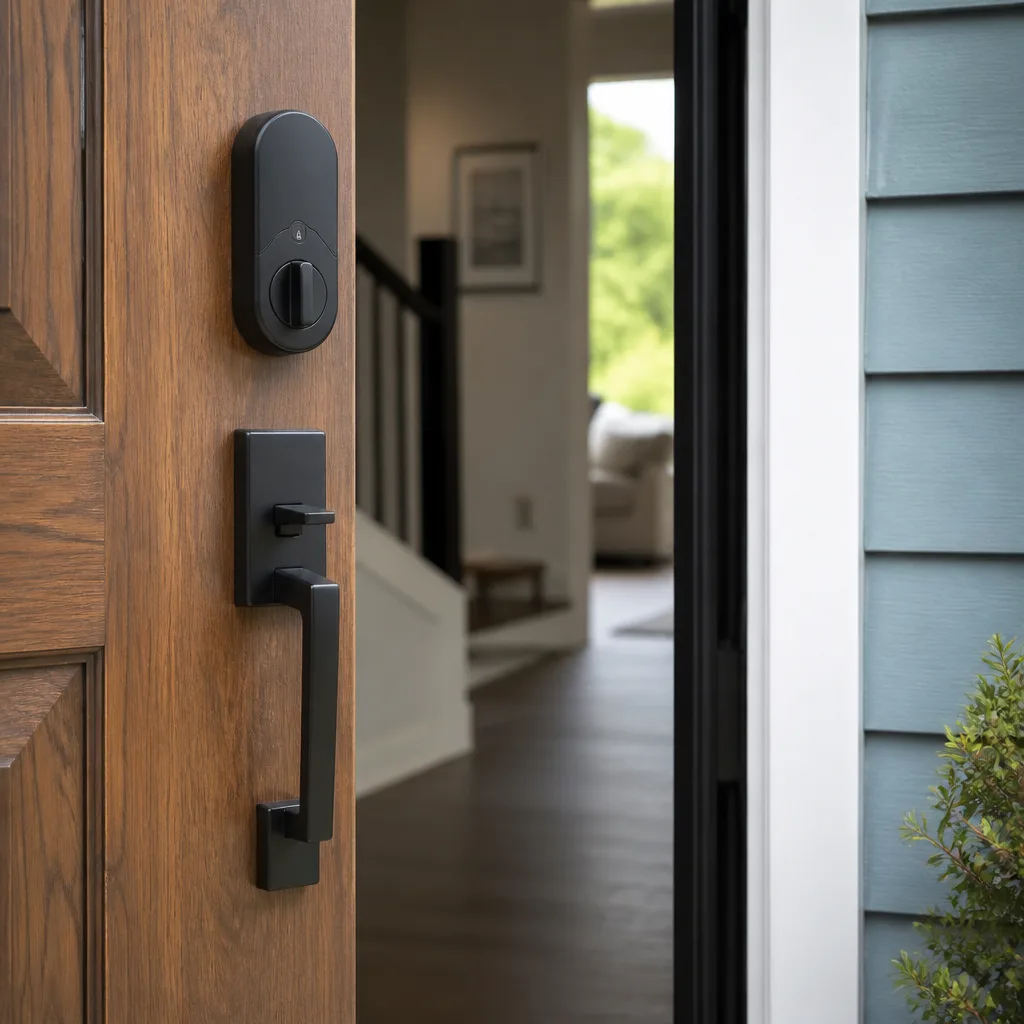 Smart locks
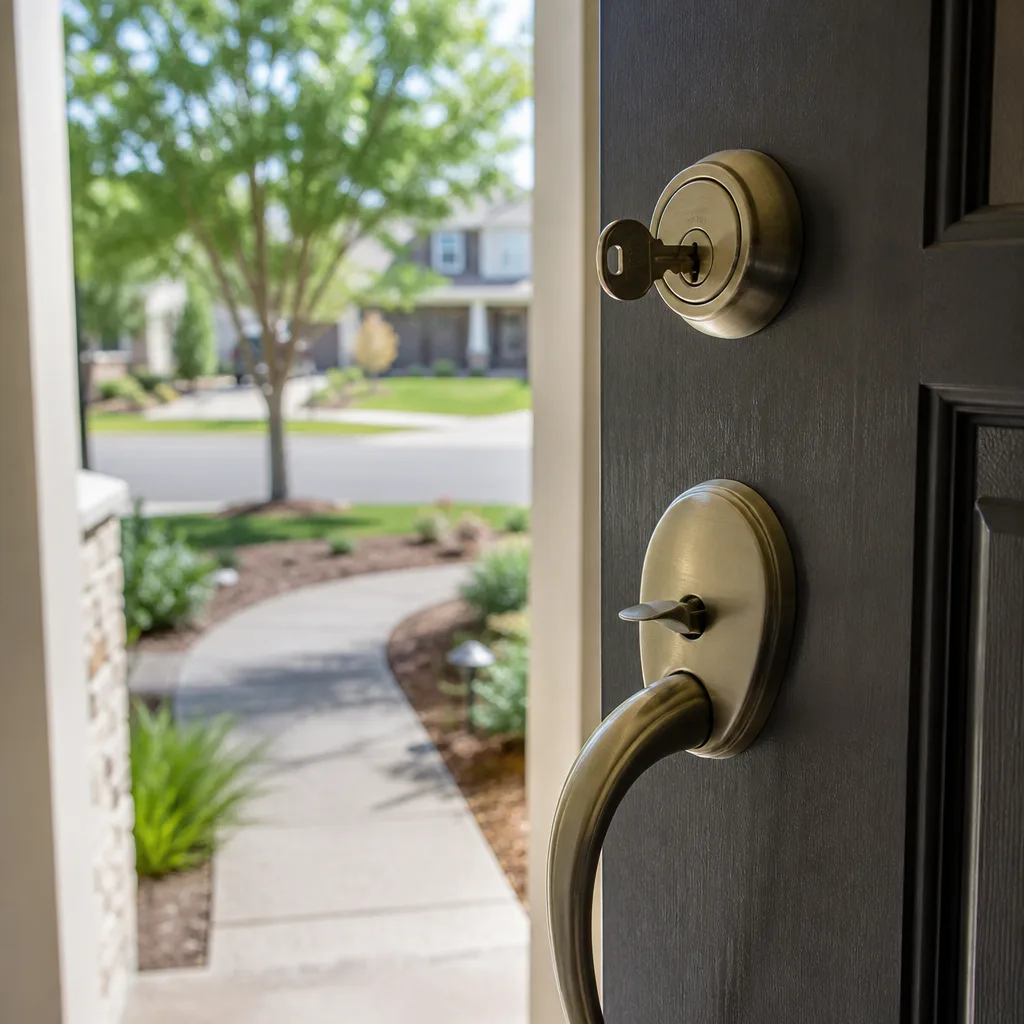
 House lockouts
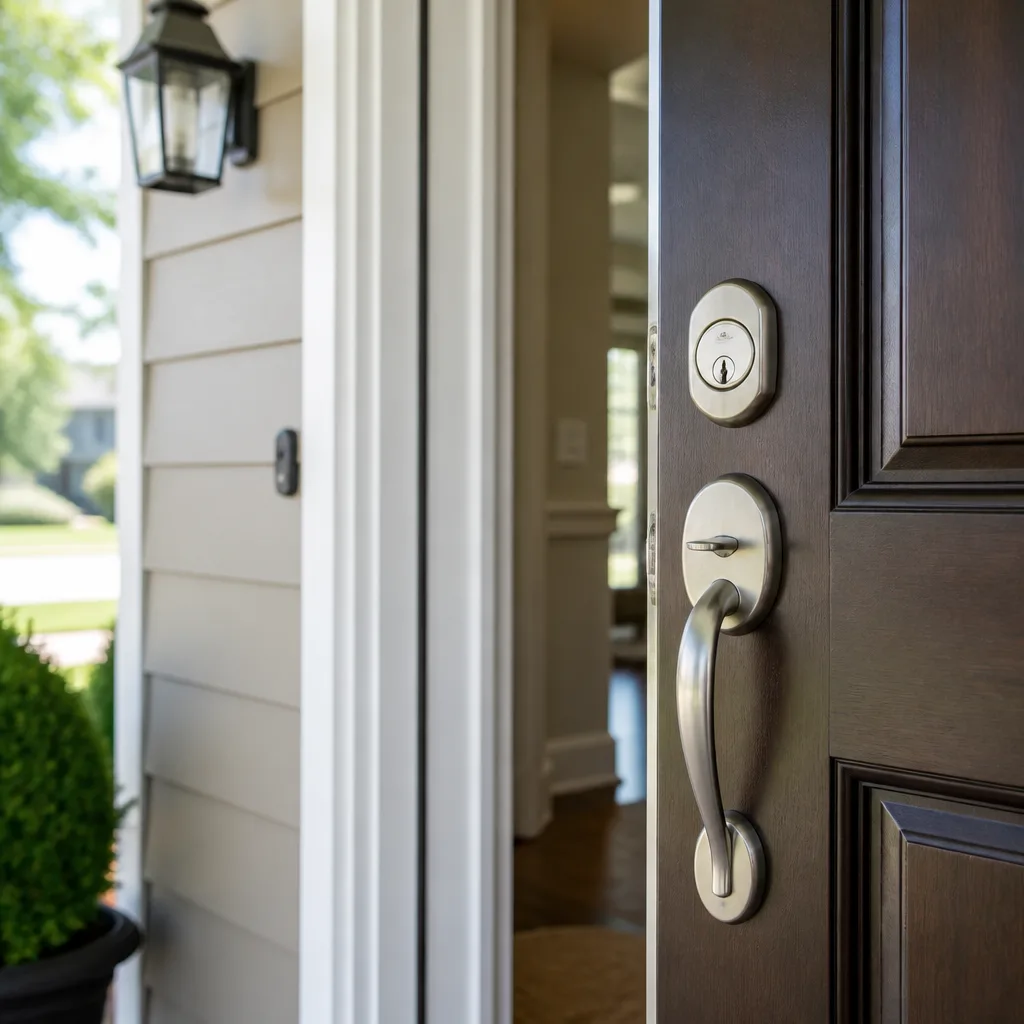
 Re-keying
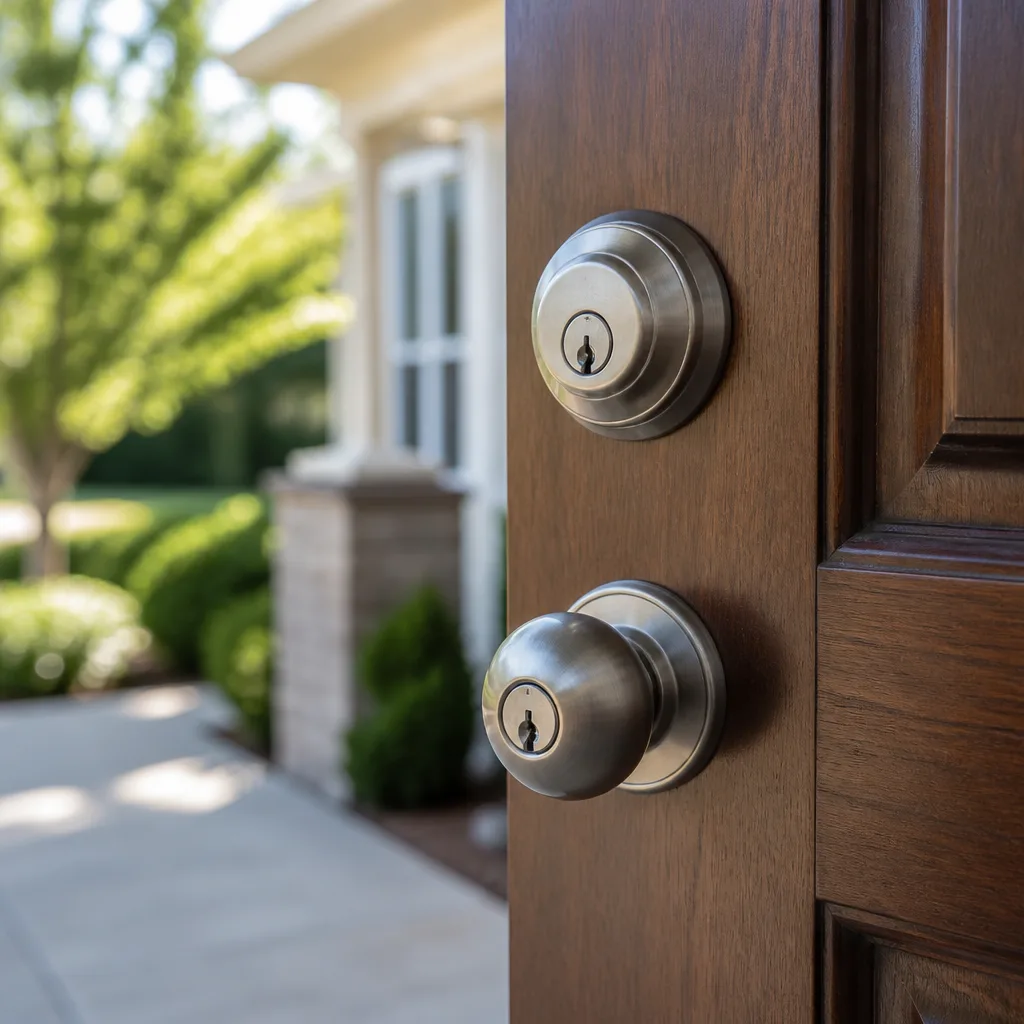 Deadbolt upgrades
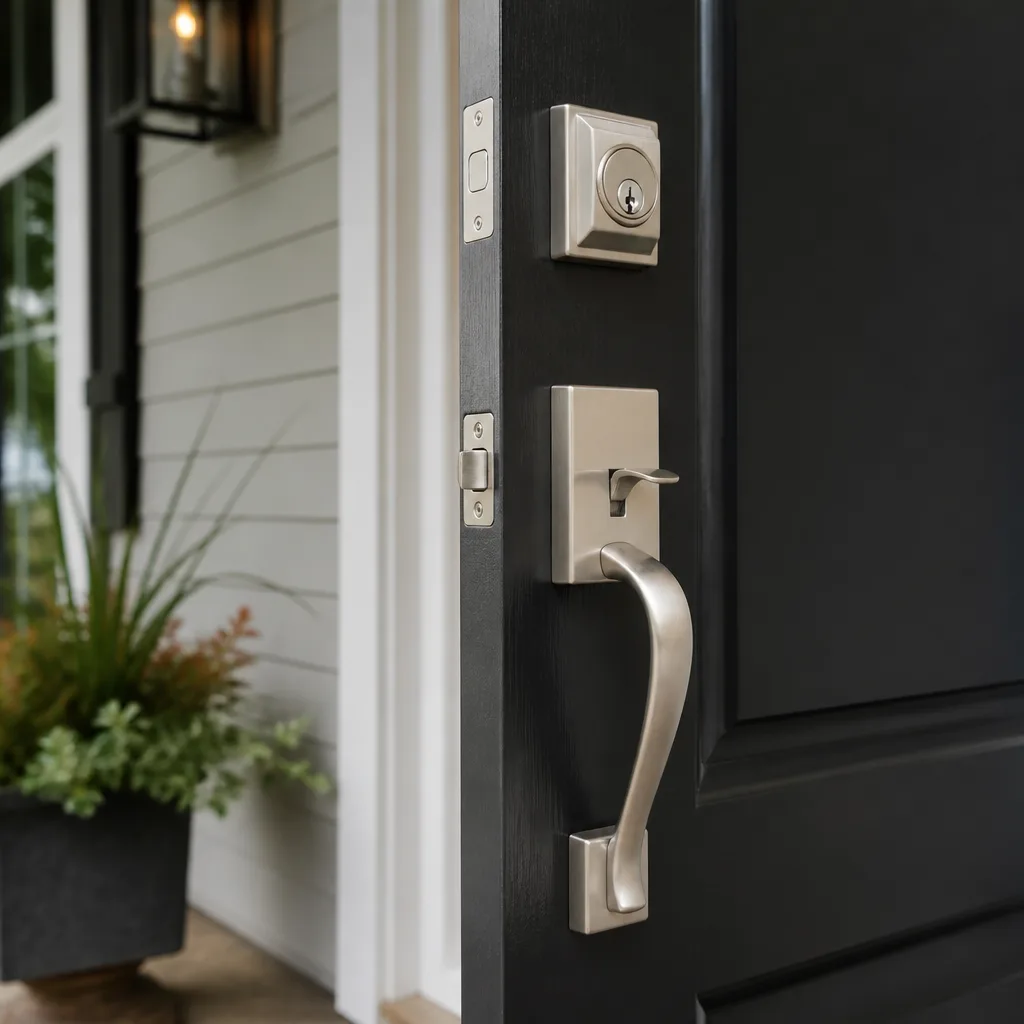 Schlage
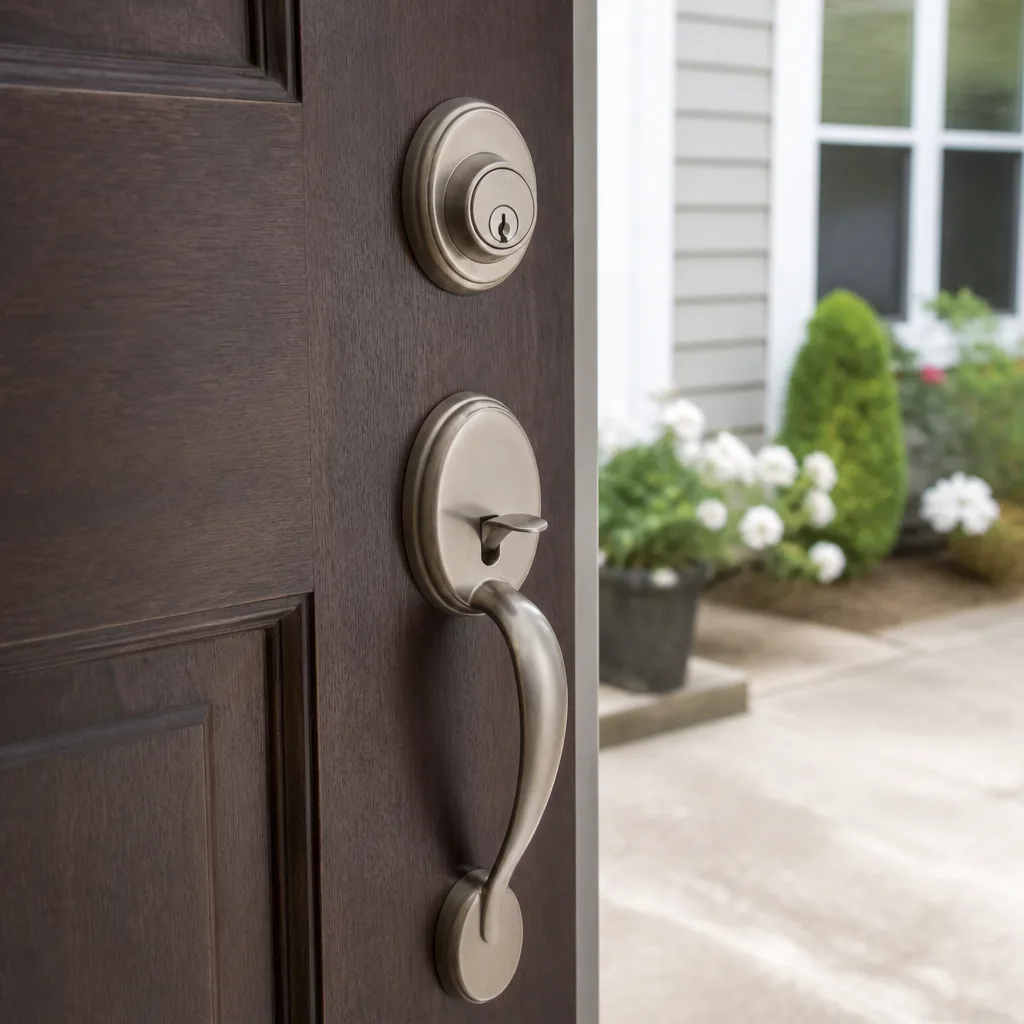 Kwikset
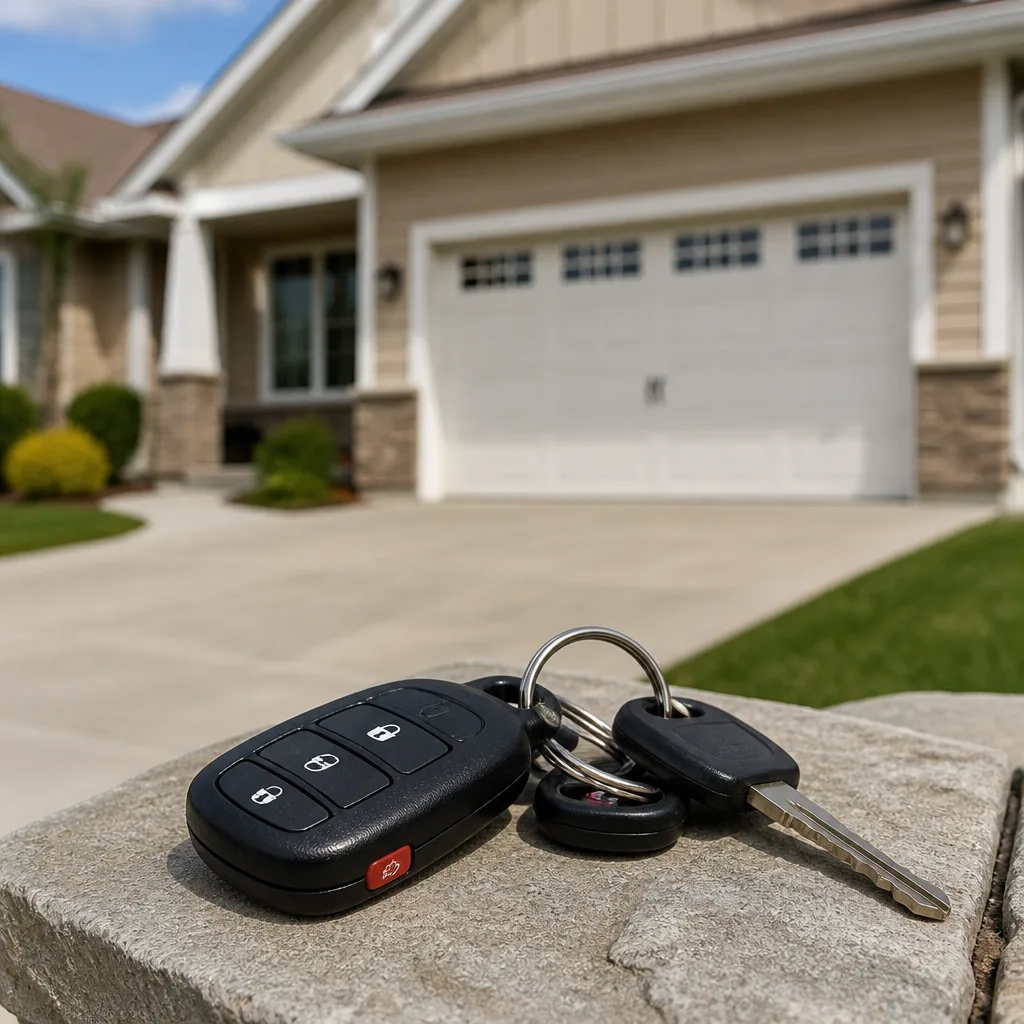 Car keys & fobs
Non-destructive entry first, always - and we re-key Schlage, Kwikset, and Baldwin locks on the spot while you watch
You get a price before we start. It does not change when we arrive. No surprises.
Get your free estimateLocksmith Emergency Preparedness Guide for Oakland Homes
Oakland averages more than 4,000 residential burglaries a year, and the typical Oakland homeowner still doesn’t have a locksmith protocol. Ask yourself a quick question: if you lost your keys tomorrow at 11 p.m., would you know which number to call, what it would cost, and how to avoid getting scammed by whoever bought the top Google ad that night? For most people in this city, the answer is no. This guide changes that. You’ll learn how to prepare for a lockout, a break-in, or a deadbolt failure before one exists, what Oakland-specific risks matter, and how to evaluate a locksmith fast when you’re standing outside in the dark. For more guides & resources, visit our blog.
Quick Answer
An Oakland home locksmith emergency plan takes about 45 minutes to build and saves you hundreds of dollars plus hours of stress the next time you’re locked out or dealing with a break-in. It comes down to three things: document your key codes and spare-key strategy before you need them, vet a local locksmith before midnight, and know what to do in the first 30 minutes after a burglary. Do those three and you’ll never have to make a panicked, expensive decision at 2 a.m. again.
Styles & brands we work with
Table of Contents
- The Pre-Emergency Document Checklist
- Building a Spare Key Strategy That Actually Works
- How to Vet an Oakland Locksmith Before You Need One
- Post-Break-In Protocol for Oakland Homes
- Evaluating an Emergency Locksmith at 2 a.m. in 90 Seconds
- Home Entry Redundancy: Power Outages and Key Loss
- Oakland Renters and California Civil Code
- Rekeying as a Proactive Security Upgrade
The Pre-Emergency Document Checklist
Most Oakland homeowners have never written down a key code in their life. They don’t know that every lock and every key has a code stamped on it, and that code is the difference between a $15 key duplication and a $100-plus lockout service call when you have no key to copy. Here’s the checklist we recommend every Oakland household complete this weekend.
What to document:
- Key codes for every exterior door lock. The code is usually stamped on the original key. If you don’t have it, a locksmith can read it from the lock cylinder. Store the codes in a password manager or a locked drawer, not on your phone’s notes app where anyone with your passcode can find them.
- Lock brand and model for each entry point. Oakland homes range from 1920s Craftsman bungalows in Maxwell Park with original mortise locks to 2010s condos near Jack London Square with builder-grade Kwikset hardware. Knowing whether you have a Baldwin mortise lock or a Schlage deadbolt changes what a technician brings to the job.
- A tested spare key location, documented but not obvious. We’ll cover this in the next section in detail, because most spare key strategies fail on the day they’re needed.
- A vetted locksmith’s phone number saved in your contacts and written on paper. Paper matters because your phone is the thing most likely to be locked inside your house or dead in your pocket during a lockout.
- A photo of each exterior door and lock, front and back. When you call a locksmith from your porch, a photo lets them quote accurately and arrive with the right tools. It also gives you a record of the condition of your locks for insurance purposes.
One habit we recommend more than any other: test your spare key strategy once. Actually go get the spare key, walk to the door, and open it. You’ll find out immediately whether the neighbor holding it is actually home, whether the lockbox combination still works, or whether the key that’s been in the garden for three years has rusted solid. A test costs five minutes and reveals everything.
Building a Spare Key Strategy That Actually Works
The most common spare key strategy in Oakland is also the worst: a key under the doormat, above the door frame, or in a plastic rock. Burglars in this city know all three spots cold. A 2024 SFGate crime report noted that a significant portion of Oakland burglaries involve no forced entry at all, and hidden keys are one reason why.
Here’s a hierarchy of spare key strategies, from best to worst:
- Trusted neighbor or nearby family member. Best option for most people. The person should live within 15 minutes of you, be home during the hours you’re most likely to get locked out, and have actually set foot in your home so you know they’re reliable. Test it once per year by asking for the key back and using it.
- Combination lockbox mounted discreetly. A realtor-style lockbox on a pipe or fence rail works, but choose one with a dial combination rather than a 3-digit push-button model. The push-button ones are trivially easy to defeat. Expect to pay $25 to $45 for a decent dial lockbox. Mount it somewhere not visible from the street.
- Smart lock with app access for a trusted person. If you have a keypad or smart lock on one door, you can give a family member a permanent code. This eliminates physical keys entirely for that entry point. We’ll talk more about electronic entry later, but for spare access, a smart lock with a code you can text to someone is hard to beat.
- A key hidden on the property. This is the fallback only. If you must, use a realtor-style lockbox or a magnetic key holder in a spot no one would think to check, and never under anything within 10 feet of the door. Accept that this is a calculated risk.
One thing we tell every customer: don’t put your address on your key ring. If you lose your keys in Oakland, whoever finds them now knows exactly which house they open. Use a phone number tag instead, or nothing at all.
How to Vet an Oakland Locksmith Before You Need One
Here’s the uncomfortable truth about the locksmith industry, and it applies in Oakland as much as anywhere: many of the top results in a panicked 2 a.m. Google search are national dispatch services that will quote you $35 on the phone and $350 after the work is done. They have no Oakland physical location, no local technicians on staff, and no incentive to treat you as a repeat customer. Vetting a locksmith before an emergency is the single highest-value preparation step you can take.
The pre-vetting process:
- Call during business hours and ask three questions: (1) “What’s your physical address in Oakland?” A real local shop gives an address immediately. A dispatch service stumbles. (2) “Are the technicians your employees or subcontractors?” Employee technicians have training standards and accountability. (3) “Can you quote me a rekey on a Schlage deadbolt over the phone?” A competent shop quotes a flat rate on the spot. A bait-pricing operation dances around the number.
- Check for a business license. California requires locksmiths to be licensed through the Bureau of Security and Investigative Services (BSIS). A legitimate Oakland locksmith will have a state license. If the number isn’t published on the website, ask for it on the call. If they won’t give it, hang up.
- Read reviews that mention specific neighborhoods or streets. Reviews that say “used them for a lockout on College Avenue” or “rekeyed my place in Adams Point before moving in” prove the company actually works in Oakland. Generic five-star reviews with no detail are often purchased.
- Ask if they offer rekeying. This is a subtle but effective screen. Rekeying requires a keying kit, pinning supplies, and real locksmith training. A company that only does lockouts and key duplication is a limited operation. A company that proactively offers rekey services, including Rekey Locks in Oakland services for move-ins and security upgrades, is a full-service shop.
Once you’ve vetted a locksmith, save their number with a note in your phone: “Locksmith – vetted – local Oakland.” When the emergency hits, you’re not making a judgment call. You’re calling a known quantity.
Post-Break-In Protocol for Oakland Homes
A break-in is disorienting and frightening. You’ll be standing in your own living room looking at a jimmied door frame or broken window glass, and your instinct will be to fix things as fast as possible. Slow down. The order of operations matters, especially for your insurance claim and your long-term security.
Here’s the post-break-in sequence we recommend for Oakland homeowners:
- Do not touch anything. Leave the door as it is, leave the mess as it is. Call the Oakland Police Department non-emergency line at (877) 265-4385 and file a report. You need a police report number for your insurance claim, and the responding officer may take prints or photos.
- Do not rekey or replace locks before the insurance adjuster documents the damage. This is a mistake we see constantly. A homeowner calls us the morning after a break-in, we rekey every lock, and then the insurance company wants photos of the original damage to process the claim. If you’ve already rekeyed, you may complicate the claim. Document everything first: take photos of the door, the lock, the frame, and any damage. Then call your insurance company and start the claim.
- Ask the insurance company how they handle lock and rekey costs. Many homeowner’s policies in California cover rekeying after a burglary, but the process varies. Some pay the locksmith directly. Some reimburse you after the fact. Know which one you’re dealing with before you schedule the work.
- Get a full lock assessment, not just a rekey. A break-in isn’t just about the lock that was bypassed. It’s about the entire entry security posture of your home. A technician should examine every exterior door, check for frame damage, look for signs of previous tampering, and make recommendations that go beyond swapping pins. This is where working with an Emergency Locksmith in Oakland who actually knows the city’s housing stock pays off. A 1930s bungalow door in the Fruitvale district has different forced-entry vulnerabilities than a 2015 condo door near Lake Merritt.
- Upgrade, don’t just replace. If your existing hardware is builder-grade, a break-in is your signal to step up to something better. A high-security deadbolt from a brand like Medeco or Mul-T-Lock changes the forced-entry calculus entirely. These locks resist picking, drilling, and bumping in ways that standard Schlage and Kwikset hardware can’t match.
The emotional response to a break-in is “make it secure now.” The smart response is “make it secure correctly, in the right order, with documentation.” The second response actually protects you.
Evaluating an Emergency Locksmith at 2 a.m. in 90 Seconds
There’s a scenario where you haven’t done the pre-vetting. You’re locked out of your Oakland apartment or home, it’s late, your phone is at 12 percent, and you’re looking at three Google results for emergency locksmiths. Here’s the 90-second evaluation framework that separates legitimate local techs from the dispatch scams.
The three questions to ask on the phone:
- “What’s your total price to open a residential deadbolt lockout, including service call?” A legitimate locksmith in Oakland gives you a straight answer: generally $75 to $150 for a standard lockout during overnight hours, depending on the lock. A scam operation says “$35” or “we’ll know when we get there” or asks what you can afford. Hang up on all three.
- “What’s your Oakland address?” If they hesitate, if they give a cross street instead of an address, or if they tell you the technician “is in your area right now” without specifics, you’re talking to a dispatch center that will send whichever subcontractor is nearest. That subcontractor’s quote is the one you’ll actually pay, and it won’t be $35.
- “Are you the technician who’s coming, or are you dispatching someone else?” If the person on the phone is the person who will arrive, you’re dealing with a small local operation. That’s the model you want. Cypress Lock & Key’s entire emergency model is built around this: the person you talk to knows locks, knows Oakland, and can tell you exactly what service will cost before a vehicle moves.
If the phone quote and the invoice price differ by even one dollar, refuse the service. You are not obligated to pay for a service you were not quoted. A reputable locksmith in Oakland will state the full price on the phone, and that price will be the price on the invoice. It’s a simple standard that filters out the entire bottom tier of the industry.
Home Entry Redundancy: Power Outages and Key Loss
Oakland has a specific risk profile that most generic home security advice ignores: this city loses power with some regularity. Our Seasonal Locksmith Care for Oakland: Year-Round Homeowner’s Guide covers how to prepare for these conditions. PG&E public safety power shutoffs during fire season, storm-driven outages in the hills, and the occasional grid failure in the flats all mean the same thing for homeowners with electronic locks: if your only entry is a smart lock with a dead battery, you have a problem.
Here’s the entry redundancy framework we recommend for Oakland homes:
- Every home should have at least two entry points with two different failure modes. If your front door is a smart lock that runs on batteries, your back door should be a mechanical deadbolt with a key. A power outage or dead battery shouldn’t make your house inaccessible.
- If you have a garage, make sure it has a mechanical bypass. Most modern garage doors have an emergency release cord, but it only helps if you can get into the garage. An exterior keyed garage door lock, known as an emergency release kit, gives you a manual way in when the power is out and the opener doesn’t respond. This is a $30 part and a 20-minute install.
- Battery replacement is a quarterly task, not an annual one. Smart lock batteries die when they die, and Oakland’s damp winters are not kind to electronics. Set a calendar reminder to change smart lock batteries every three months. Write the date on the battery with a marker.
- Keep one mechanical key for each electronic lock in your tested spare key location. A smart lock with a key override is only useful if you have the key. If the override key is locked inside the house with your regular keys, you’ve built a single point of failure.
If you’re choosing new hardware, look for a keypad deadbolt with a mechanical key override rather than a pure electronic unit. Brands like Yale and Baldwin make keypad deadbolts that still accept a physical key, which gives you the convenience of code entry with the reliability of a mechanical fallback. The combination of electronic convenience and mechanical redundancy is, in our experience, the sweet spot for most Oakland homes.
Oakland Renters and California Civil Code
Renters in Oakland face a unique set of constraints in a lock emergency. You don’t own the locks. You may not have the right to change them. And if you’re locked out at 2 a.m., calling a locksmith to drill the lock without landlord permission can create legal and financial liability. Here’s what California law says and how to navigate it.
Under California Civil Code Section 1941, landlords are required to provide habitable premises, which includes functioning locks. But the law does not give tenants an automatic right to rekey or replace locks without landlord consent. Many leases specifically prohibit altering locks. If a tenant rekeys a lock and does not provide the landlord a key, the tenant may be in violation of the lease.
The practical protocol for Oakland renters:
- Know your landlord’s emergency contact before you need it. This is the renter’s version of vetting a locksmith. If your property management company has a 24-hour emergency line, save it. If your landlord is an individual, ask them upfront: “If I’m locked out at 2 a.m., who do I call?” Get the answer in writing, even if the writing is a text message.
- If you’re locked out and can reach the landlord, get authorization in writing before calling a locksmith. A text that says “yes, call someone and I’ll reimburse you” is sufficient authorization. A phone call that didn’t happen is not. Written authorization protects you from a dispute later.
- If you cannot reach the landlord and you’re locked out, call a locksmith for a lockout only, not a rekey. A standard lockout preserves the existing lock and simply gets you inside. A rekey changes the lock’s internal pins, which alters the landlord’s property. A lockout is within your rights as a tenant with a right to access your unit. A rekey without authorization is not.
- Renters should not attempt to change locks unilaterally for security reasons, even after a break-in. The proper sequence is: report the break-in to the landlord and OPD, request a rekey in writing, and if the landlord does not respond promptly, California law requires landlords to maintain habitable premises, and a tenant can raise the issue formally. But the rekey itself should be done with landlord authorization, using a service the landlord approves or one you hire with written consent.
One distinction worth knowing: California Civil Code Section 1941.5 gives domestic violence survivors the right to request a lock change, and the landlord must comply within 24 hours. This specific provision exists for a reason, and Oakland tenant rights organizations can help survivors navigate it. If this applies to you, you have additional protections, and the tenant hotline at the Oakland Tenants Union or a similar organization can walk you through the process.
Rekeying as a Proactive Security Upgrade
Most people think of rekeying as something you do after a break-in or after a roommate moves out. But the smartest use of a rekey is proactive: the day you move into a new home, before you’ve slept there once. Here’s why. When you buy a house in Oakland, you have no idea how many keys the previous owner handed out over the years. The contractor, the house cleaner, the dog walker, the neighbor who fed the cat, the ex-partner from three relationships ago, the teenager who lost a key and never mentioned it. Every one of those keys still opens your front door.
A full rekey locks in Oakland service typically runs between $75 and $150 for the first lock and $15 to $25 per additional lock, which makes it one of the least expensive security upgrades you can buy for a home you just purchased for six or seven figures. The math is straightforward: you spend $150 to neutralize every unknown key that exists for your new home. Compare that to the cost of a single break-in and the math is not close.
Rekeying is also the right move after any relationship change, any contractor who had a key, any lost key, or any period where you’re not sure who holds copies. We recommend treating rekeying like an oil change: it’s a maintenance item, not an emergency response. If you can’t remember the last time your locks were rekeyed, they’re due.
For Oakland homeowners who want more than a standard rekey, upgrading to high-security cylinders from Medeco or Mul-T-Lock adds a layer of key control that standard locks simply don’t have. High-security keys are patented, which means they can’t be duplicated at the hardware store kiosk. You control every copy that exists. For a property manager Cypress Lock & Key home clients or a homeowner benchmarking against true security standards, key control is the difference between locking a door and controlling access.
Common Mistakes to Avoid
- Calling the first locksmith that appears in Google at 2 a.m. without asking the three vetting questions. Paid ads dominate the top of search results, and many of them are dispatch services with no local technicians. The top result is not the best result. It’s the highest bid.
- Accepting a $35 phone quote for a lockout. No legitimate Oakland locksmith will drive to your home at any hour for $35. That quote is a bait. The real invoice arrives after the lock is drilled and the replacement hardware is installed, and it will be $200 to $400.
- Hiding a spare key under the doormat or above the door frame. These are the first two places any burglar looks, and Oakland burglars are not amateurs. Your hidden key is not hidden.
- Not documenting key codes before losing all copies of the key. If you have no key to copy from, the locksmith can still make a key from the lock cylinder, but it costs more and takes longer. A recorded key code turns a key replacement into a 10-minute job.
- Rekeying after a break-in before the insurance adjuster documents the damage. This can slow down or complicate your claim. Document first, rekey second.
- Renters rekeying or changing locks without landlord authorization. This can put you in violation of your lease and create financial liability. Get written authorization first.
- Installing a smart lock with no mechanical backup. When the battery dies or the power goes out, you’re locked out of your own home with a $300 lock. Every electronic entry point needs a mechanical fallback, either a key override on the lock itself or a second entry point with a traditional deadbolt.
When to Call a Professional
Some lock problems are DIY projects. Most are not. Here’s the line: if you’re locked out and thinking about a credit card or a coat hanger, stop. Modern deadbolts and door frames are not vulnerable to the credit-card trick, and forcing a door with a pry tool risks damaging the frame, bending the strike plate, or shattering window glass. The $85 you’d spend on a professional lockout is less than the $300 you’d spend on a frame repair. Call a professional when you’re locked out, when a key has broken off in the lock, when a deadbolt is stiff or binding, when you need a rekey, or when you’re upgrading to high-security hardware that requires precise installation. Cypress Lock & Key offers free estimates in Oakland; call (877) 265-4385 and you’ll get a straight quote before anyone is dispatched.
Frequently Asked Questions
Emergency lockout service in Oakland typically runs $70 to $150 for a standard residential deadbolt lockout during overnight hours, depending on the lock type and exact location. Rekeying typically starts around $75 for the first lock and $15 to $25 per additional lock. Key replacement costs depend on the key type: standard residential keys are generally $5 to $15, while automotive transponder keys can range from $150 to $350 with programming. Any locksmith who quotes significantly under these ranges on the phone is likely bait-pricing. Call (877) 265-4385 for an exact quote, and that quote will be the price on the invoice.
For a reputable Oakland locksmith, yes. The quote you receive on the phone should be the price you pay on the invoice, with no additional service-call surcharges, no arrival fees, and no surprise line items after the work is done. This is the single most important question to ask before hiring any locksmith. If a company won’t commit to a firm price on the phone, call someone else. Cypress Lock & Key quotes the full price before dispatching a technician, and that price stands.
Response time depends on the time of day, the technician’s current location, and traffic conditions in Oakland, which can be significant during commute hours and on game days near the Coliseum. A local technician already working in your part of the city can often arrive within 20 to 40 minutes. A dispatch service routing someone from across the Bay Bridge can take an hour or more. When you call, ask for a realistic arrival window and hold the dispatcher to it. Call (877) 265-4385 and you’ll speak directly with someone who can tell you where the technician is and when they’ll arrive.
California requires locksmiths to hold a license through the Bureau of Security and Investigative Services (BSIS). See Locksmith Permits, Codes & Inspections in CA: What You Need to Know for full regulatory details. You can ask for the license number on the phone and verify it through the BSIS website. A legitimate locksmith provides the number without hesitation. A company that refuses, deflects, or claims licensing “isn’t necessary” is not one you should let touch your locks. Cypress Lock & Key operates within California state regulatory requirements as a licensed locksmith.
Yes. Automotive key replacement requires specialized equipment to cut and program the transponder chip in modern vehicle keys, but it’s a service Car Key Replacement in Oakland technicians handle routinely. The process involves reading the vehicle’s immobilizer system, cutting a new key blade, and programming the chip to the vehicle. This is typically faster and less expensive than having the vehicle towed to a dealership. Most car key replacements are completed on-site in 45 to 90 minutes. Call (877) 265-4385 with your vehicle’s year, make, and model for an exact quote.
Rekey, not replace, in most cases. Rekeying changes the internal pins of the lock so the old keys no longer work, and it costs a fraction of new hardware while providing the same security outcome. The exception is if the existing hardware is worn, damaged, or builder-grade quality that you want to upgrade anyway. A technician can assess the existing locks and tell you whether they’re worth rekeying or whether replacement makes more sense. For most new homeowners in Oakland, a full rekey on move-in day is the single highest-value security action you can take.
The Bottom Line
An emergency locksmith plan for your Oakland home is not complicated. It’s three documented pieces of information, one tested spare key strategy, one vetted phone number, and a clear sequence for what to do after a break-in. None of it takes more than an hour to complete. None of it costs money. And all of it means that the next time you’re locked out at midnight or dealing with a jimmied door, you’re executing a plan instead of making a panicked decision. The homeowners who handle lock emergencies well are the ones who decided what to do before the emergency existed. That’s the standard for every home in Oakland, including yours.
Written by the team at Cypress Lock & Key, serving Oakland since 2017.