Last updated October 30, 2026
 Smart locks
 House lockouts
 Re-keying
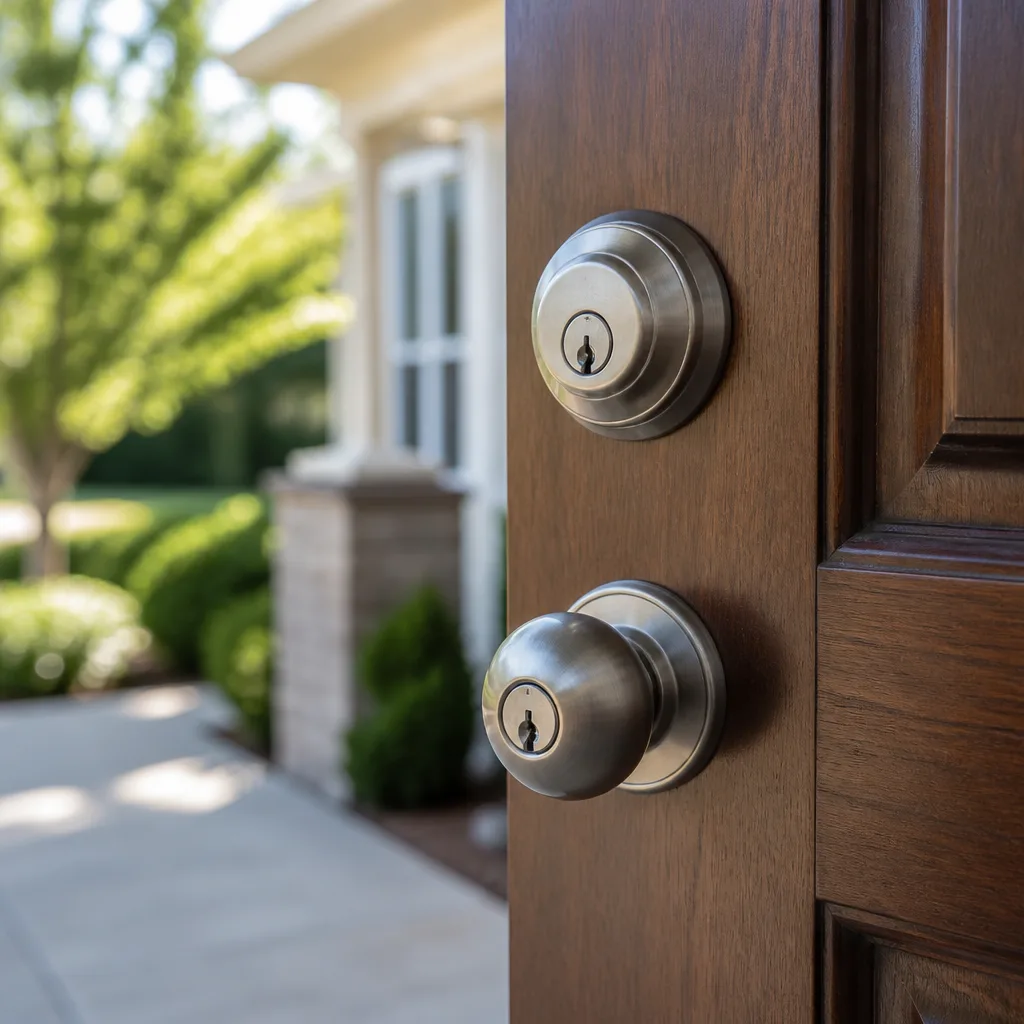 Deadbolt upgrades
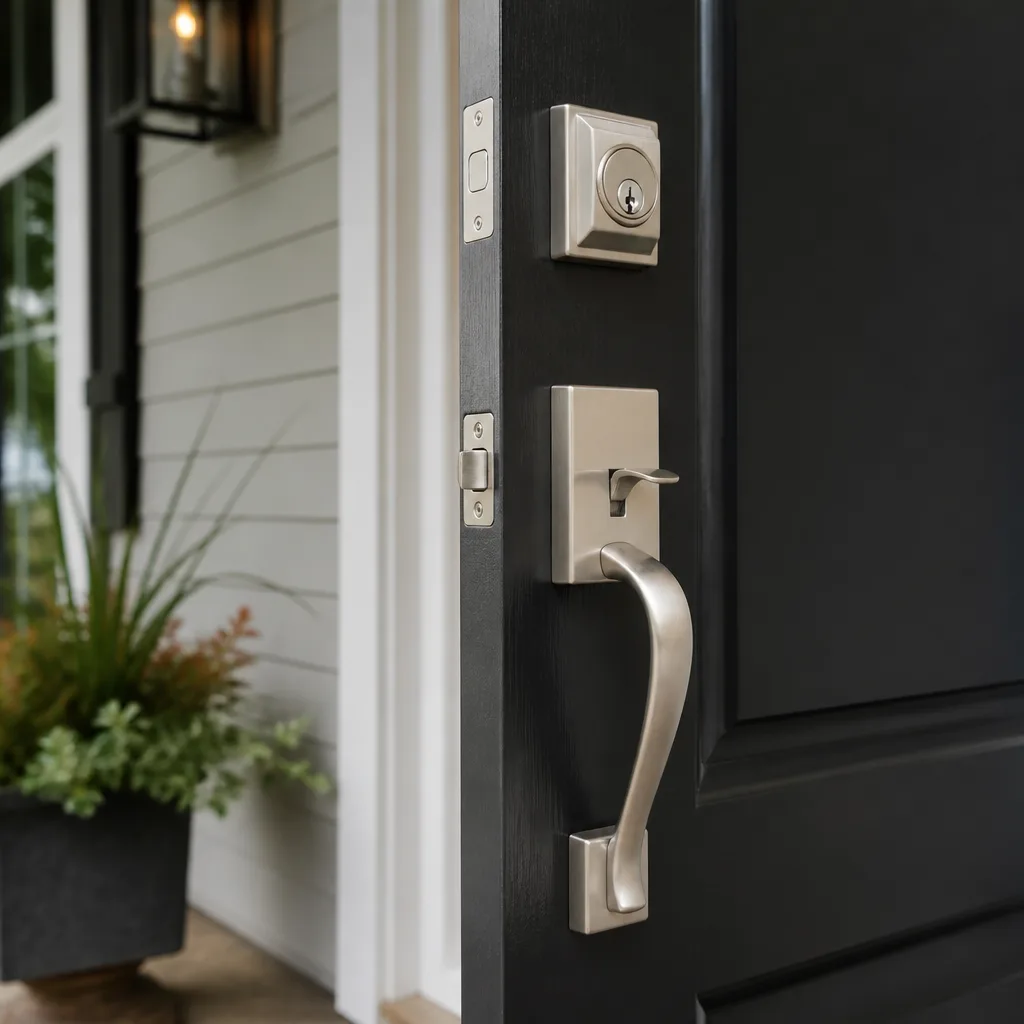 Schlage
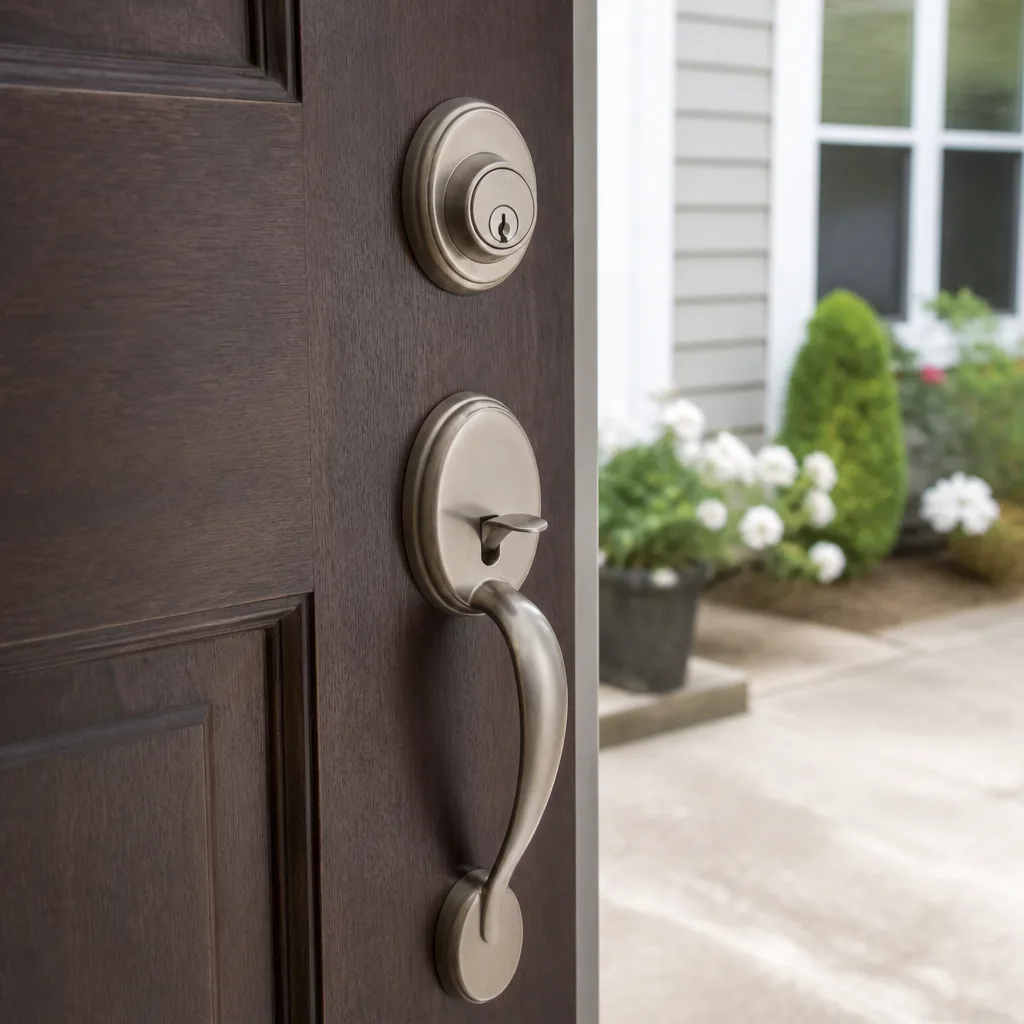 Kwikset
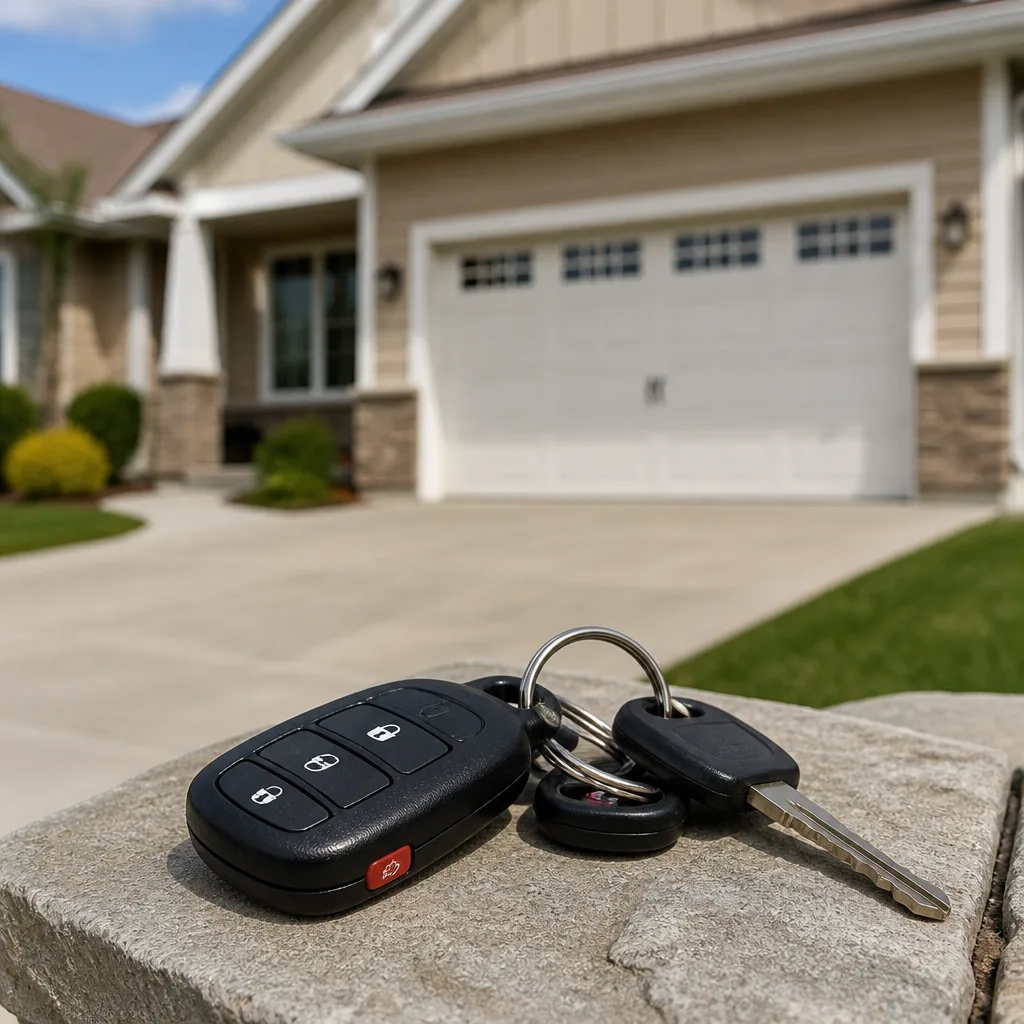 Car keys & fobs
Non-destructive entry first, always - and we re-key Schlage, Kwikset, and Baldwin locks on the spot while you watch
You get a price before we start. It does not change when we arrive. No surprises.
Get your free estimateSeasonal Locksmith Care for Oakland: Year-Round Homeowner’s Guide
Oakland doesn’t get Minnesota winters, but its June marine layer deposits more corrosive salt air on exterior hardware than most residents account for. That fog bank rolling through the Golden Gate and settling over the East Bay isn’t just moody atmosphere. It carries fine salt particles and sustained moisture that work into lock cylinders, corrode springs, and slowly bind deadbolts. This guide maps lock maintenance to Oakland’s actual seasonal rhythms: the June fog onset, the dry September heat that warps wood frames, the first October rains that reactivate dormant rust, and the January post-storm window when hardware reveals what the wet season did to it. For more guides & resources on keeping your home secure year-round, explore our blog. You’ll learn which tasks matter in each window, which lubricants actually work in Oakland’s coastal-adjacent humidity, and when a lock needs professional attention rather than another twist of the key.
Quick Answer
Lock maintenance in Oakland should follow four windows tied to local conditions: clean and lubricate exterior hardware in June when fog salt arrives, adjust deadbolt alignment in September when dry heat expands wood frames, clean and dry hardware after October’s first rains, and do a full inspection in January after winter storms. Use a silicone- or Teflon-based dry lubricant, not WD-40, which leaves a residue that attracts grit. Annual rekeying is smartest in June or July, aligned with tenant turnover season under California rental law.
Styles & brands we work with
Table of Contents
- June Fog Onset: The Corrosion Window Nobody Watches
- Late-Summer Heat: When Oakland Door Frames Shift
- October Rain Reactivation: What Water Reawakens
- January Post-Storm Inspection: The Honest Assessment
- Lubricant Guide for Oakland’s Split Climate
- Exterior Keypads and Electronic Locks in Bay Area Sun and Salt
- Oakland Landlord Rekey Calendar: California Law Meets Micro-Seasons
- Common Mistakes to Avoid
- When to Call a Professional
- Frequently Asked Questions
June Fog Onset: The Corrosion Window Nobody Watches
Every June, the marine layer settles over Oakland like clockwork. Overnight humidity climbs past 85% in neighborhoods like Rockridge, Montclair, and the flatlands near Lake Merritt. Morning fog leaves a fine film of salt moisture on every exterior lock cylinder. This is the single most corrosive month for lock hardware in the East Bay, and it’s the month almost no one thinks about maintenance.
What actually happens inside the lock: the salt-laden moisture works into the cylinder, accelerating oxidation on the brass pins and steel springs. Within three to four weeks of consistent fog exposure, keys start feeling gritty when inserted. The key turns, but with resistance. By August, that resistance becomes a hard bind, and the key eventually sticks or refuses to turn entirely. We see this pattern every year across Oakland homes, and it’s most pronounced within two miles of the bay, where fog density is highest.
What to do in June:
- Inspect every exterior lock, including gates and side doors. Look for white or green powder around the keyhole and on the key itself. That’s salt corrosion starting.
- Clean the cylinder before lubricating. Wipe the keyway opening with a dry cloth. If the key comes out with visible residue, the cylinder needs cleaning before anything else.
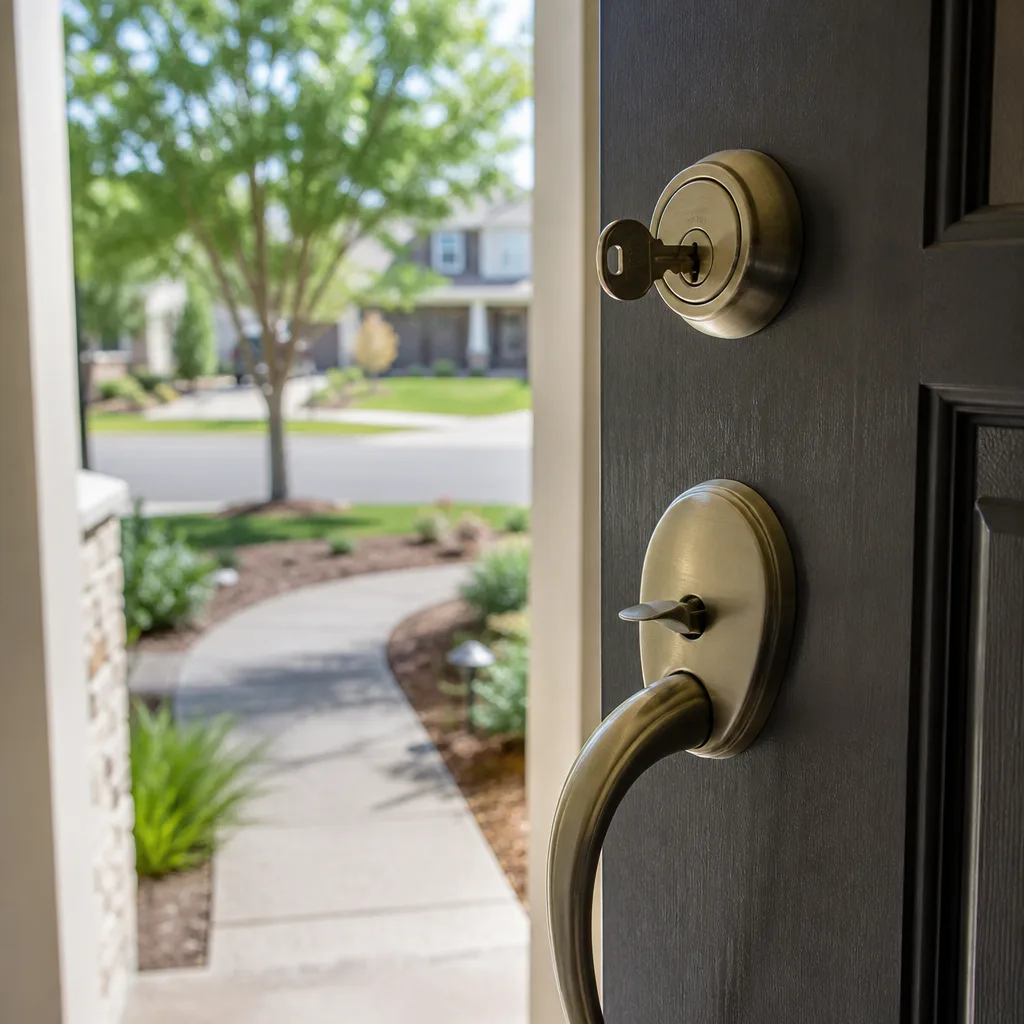
- Apply a dry lubricant. One short burst into the keyway, insert the key, turn it five or six times to distribute. Wipe off any excess from the key and faceplate.
- Test the deadbolt throw. With the door open, turn the key and watch the bolt extend fully. If it hesitates or needs extra force, the problem may already be beyond lubrication.
June is also the right month to think about rekeying, especially if you’ve had contractor keys, pet sitters, or housecleaners cycling through in spring. More on that in the landlord section, but for homeowners: if someone who once had a key no longer should, this is the month to fix it. Our rekey locks service in Oakland handles this in a single visit, often without replacing any hardware.
Late-Summer Heat: When Oakland Door Frames Shift
September is Oakland’s hidden summer. While the rest of the Bay Area cools, Oakland gets its warmest, driest stretch: days in the 80s, nights in the 50s, and relative humidity dropping into the 30% range inland. That dry heat pulls moisture out of wood door frames. The frame contracts. And a deadbolt that threw smoothly in May now grinds against the strike plate.
This is a frame problem, not a lock problem. The lock itself is fine. The wood has moved. In Oakland’s older housing stock, particularly the Craftsman and Victorian homes in neighborhoods like Adams Point, Grand Lake, and West Oakland, door frames are decades old and have settled into their own patterns. Each year, the dry season slightly shifts the alignment between the deadbolt and the strike plate. You’ll notice it as a deadbolt that requires lifting the handle or pulling the door toward you before the key turns smoothly.
How to distinguish a minor alignment adjust from a larger frame issue:
- Minor adjust: The bolt scrapes the strike plate edge but still extends fully with slight pressure. You can see wear marks on the plate. This is fixable with plate adjustment or filing.
- Frame problem: The door visibly sags. The gap between door and frame is uneven top to bottom. The bolt misses the strike plate hole entirely or only partially engages. This signals hinge wear or frame settlement and warrants a professional look at the door, not just the lock.
- Lock problem: The key turns hard in the cylinder even with the door open. The bolt is slow to extend or retract. This is internal lock wear or corrosion, not frame movement.
For the minor adjust, homeowners can loosen the two screws on the strike plate, move it a millimeter or two toward the bolt’s natural path, and retighten. On newer Schlage and Kwikset hardware, the strike plate has adjustment slots that make this a five-minute fix. On older Baldwin or Yale mortise locks found in many Oakland pre-war homes, the strike plate is set into a mortise pocket and adjustment is more involved. If the plate needs to move more than a couple millimeters, or the screws won’t hold because the wood is stripped, call before forcing anything. Stripped strike plate screws are a security issue, not just a nuisance, because the deadbolt won’t fully seat.
October Rain Reactivation: What Water Reawakens
Oakland’s first real rain typically arrives in late October or early November. By then, the summer corrosion from June fog has dried into a fine powder inside the cylinder. The first sustained rain rehydrates that powder, turning it into an abrasive paste. Locks that felt rough in June and tolerable in September suddenly bind hard. A key that worked fine yesterday won’t turn today.
This is also when water intrusion problems surface. Exterior locks without a proper escutcheon or weather guard let rain run down the door face and into the cylinder. In Oakland’s hillside homes, where wind-driven rain hits doors at an angle, this is worse. The water carries whatever has accumulated on the door surface, dirt, pollen, salt residue, straight into the keyway.
What to do in October:
- After the first two rains, test every exterior key. Insert, turn slowly, feel for grit. If the key catches or feels sandy, clean the cylinder before it seizes.
- Dry the hardware after wet days. A quick wipe of the faceplate and around the keyhole keeps standing water from seeping in overnight.
- Check door sweeps and weather stripping. This is door maintenance that protects locks. Rain that pools at the threshold wicks up into the bottom of the door and toward the latch mechanism.
- Consider a keyed-alike upgrade if you’re fighting multiple gritty locks. When several exterior locks are near end of life, replacing them often beats repairing them one at a time. We work across eight brands including Schlage, Kwikset, Baldwin, Yale, Sargent, Medeco, Mul-T-Lock, and Abloy, so the replacement matches the door prep you already have.
The October window matters because it’s the last easy maintenance opportunity before the deep wet season. Fix a gritty lock in October and it’ll ride out the winter. Ignore it and January becomes an emergency call.
January Post-Storm Inspection: The Honest Assessment
After Oakland’s January storms, when atmospheric rivers dump inches of rain and the ground stays saturated for weeks, locks tell the truth about their condition. Whatever October’s rains started, January’s storms finish. Cylinders that took on water in November show full corrosion by January. Deadbolts that bound in December are seized by mid-month. This is peak lockout season for a reason. The emergency locksmith service in Oakland sees its highest call volume in January, and most of those calls trace back to maintenance deferred in June and October.
January is the month for an honest, whole-property assessment. Walk every door, gate, and window lock. Test each key. Note which locks are original to the house, which have been replaced, and which are showing their age. Oakland homes built before 1950 often carry original mortise locks. Those locks are serviceable, beautifully built, and worth maintaining. But if they haven’t been serviced in years, the internal springs and wards are tired, and January is when they fail.
For those considering an upgrade from builder-grade hardware, January is also a planning month. High-security options like Medeco and Mul-T-Lock resist both physical attack and unauthorized key duplication. For Oakland homeowners who’ve experienced a break-in or who live on a high-foot-traffic street near BART stations or commercial corridors, that matters. The key control on Medeco and Mul-T-Lock means no one can copy the key at a hardware store without your authorization card. It’s a meaningful upgrade that starts with an honest assessment of what you currently have.
Lubricant Guide for Oakland’s Split Climate
Oakland presents two different lubrication environments within the same city limits. Homes within two miles of the bay, around Jack London Square, Fruitvale, and the estuary flats, live in sustained marine humidity. Summer fog and winter rain keep moisture levels high year-round. Homes in the hills, around Montclair, Piedmont Pines, and Skyline, get drier heat in September and less fog accumulation, but they still get wind-driven rain and the same salt air.
The wrong lubricant in either zone creates a problem. WD-40 is a water displacer, not a lock lubricant. It’s fine for unsticking a rusty hinge as a one-time fix, but inside a lock cylinder it dries into a sticky film that attracts dust, grit, and salt. Within months, the lock is worse than before you touched it. We’ve cleaned enough WD-40-gummed cylinders in Oakland to say this plainly: never use it in a lock.
What works:
- Silicone-based dry lubricant: Good for general cylinder lubrication. It displaces moisture, leaves a thin protective film, and won’t attract grit. Use this in both coastal and hillside zones. It’s the safest default.
- Teflon (PTFE) dry lubricant: The best choice for high-wear locks, exterior deadbolts, and any lock exposed to constant salt air. The Teflon particles bond to the metal surfaces and reduce friction even as the liquid carrier evaporates. For Oakland’s fog-soaked neighborhoods, this is what we reach for first.
- Graphite powder: Traditional and still used in dry climates. It works in inland Oakland where humidity stays low. It does not work near the bay. Graphite plus moisture creates a thick sludge that seizes cylinders. If you live within fog distance of the water, skip graphite entirely.
- White lithium grease: Not for lock cylinders. It’s heavy, attracts grit, and gums in cold weather. Use it on hinges and door closer arms if you want, but keep it away from keyways.
The frequency matters as much as the product. For bay-facing Oakland properties, lubricate exterior cylinders twice a year: once in June when fog sets in, once in October before the rain. For hillside properties, once a year in October is usually sufficient, but June fog can reach the upper hills in heavy years, so watch the key feel and respond accordingly.
If a lock remains gritty or hard to turn after proper lubrication, the cylinder has reached the end of its serviceable life or has internal damage that lubrication can’t fix. Continuing to force the key will eventually snap it off in the cylinder. That’s a repair that costs more than a cylinder replacement would have. Our experience with Cypress Lock & Key work across Oakland has taught us one consistent rule: the earlier a gritty lock gets attention, the less it costs to fix.
Exterior Keypads and Electronic Locks in Bay Area Sun and Salt
Electronic locks don’t have pins and springs to corrode, but they have their own Oakland-specific failure modes. The same June fog that corrodes brass cylinders works on the circuit boards and battery contacts inside keypad deadbolts. The salt air is aggressive on exposed metal contacts, and the sustained humidity can cause intermittent electrical failures that are hard to diagnose.
Oakland’s UV exposure is another factor. A south-facing or west-facing front door in the flatlands takes direct afternoon sun for six months of the year. That sun degrades the keypad membrane buttons first, making them stiff and unresponsive. The same UV damage affects the plastic housing and can warp the interior seal, letting the fog moisture inside.
Maintenance steps for Oakland electronic locks:
- Check the battery compartment in June and January. Remove the cover, inspect the contacts for white or green corrosion, clean with a dry cloth. If the contacts are corroded, replace the battery holder or the lock body.
- Replace batteries on a schedule, not when they die. Low battery warnings can trigger false lockouts or fail to fire the deadbolt. For Oakland fog zones, a six-month replacement cycle timed to June and January works.
- Inspect the keypad face for UV damage. If the buttons feel stiff or the numbers are fading, the keypad is on borrowed time. Many keypad locks can have just the keypad module replaced without replacing the whole lock.
- Keep a physical key backup. Every electronic lock has a key override. Make sure you know where that key is, and test it once a year. A dead keypad with a lost override key is a lockout.
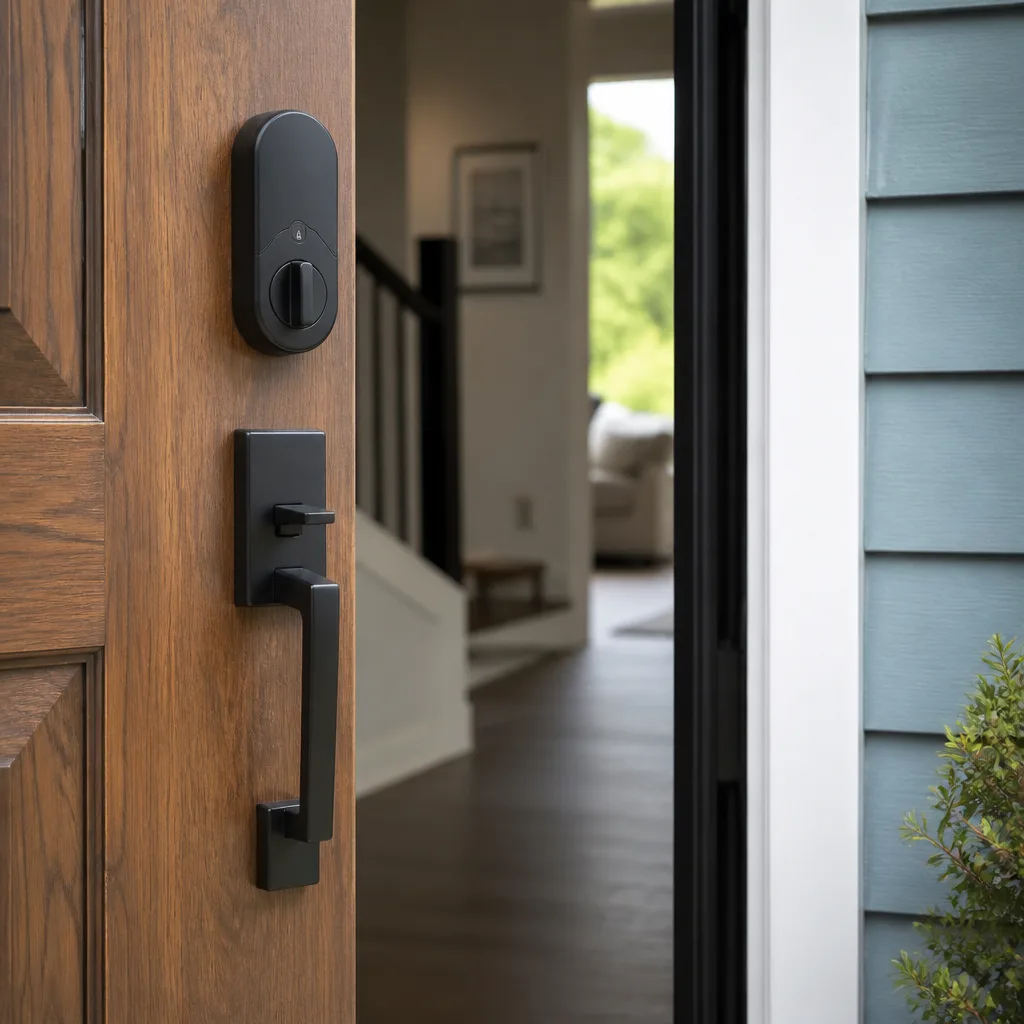
Brand matters here. Entry-level electronic locks from Kwikset and Yale hold up reasonably well in Oakland conditions but have shorter lifespans in bay-facing fog zones. For hillside or bayfront homes where the lock takes constant environmental abuse, a commercial-grade electronic lock from a brand like Sargent will outlast the residential gear by years. The distinction isn’t about features, it’s about seal quality and component durability. When we install or service electronic locks, we match the hardware grade to the exposure level of the specific door, not just the budget.
Oakland Landlord Rekey Calendar: California Law Meets Micro-Seasons
California law requires landlords to rekey or replace locks at tenant turnover. Oakland’s rent control ordinance and just-cause eviction rules make the legal side complex, but the practical security side is simple: when a tenant moves out, the locks change before the next tenant moves in. That’s not optional, it’s a legal obligation. The seasonal angle is when to schedule this work so it holds up through Oakland’s weather cycles.
Oakland tenant turnover peaks in June and July, driven by the academic calendar and the city’s housing market pattern. That means most rekeys happen during the fog onset window. The smart move for landlords is to bundle the turnover rekey with the seasonal maintenance tasks: rekey the lock, lubricate the cylinder, inspect the strike plate alignment while the old tenant’s wear patterns are fresh, and replace any hardware that’s near end of life. Our Car Key Replacement Maintenance Checklist for Oakland Homeowners lays out the full seasonal calendar in printable form.
A practical annual calendar for Oakland landlords:
- June-July (peak turnover): Rekey every vacated unit. Inspect all exterior locks for fog corrosion. Lubricate everything. Replace any cylinder that shows grit after cleaning.
- September (pre-heat check): Test deadbolt alignment on all units. The heat expansion will expose sagging doors and loose strike plates. Fix them now while they’re still minor.
- October (pre-rain check): Clean and dry all exterior hardware after the first rains. Lubricate again. Confirm weather guards and door sweeps are intact.
- January (post-storm): Full inspection after the heaviest storms. Replace any hardware that failed, rekey any locks where the tenant changed during the winter months, and prepare for the next cycle.
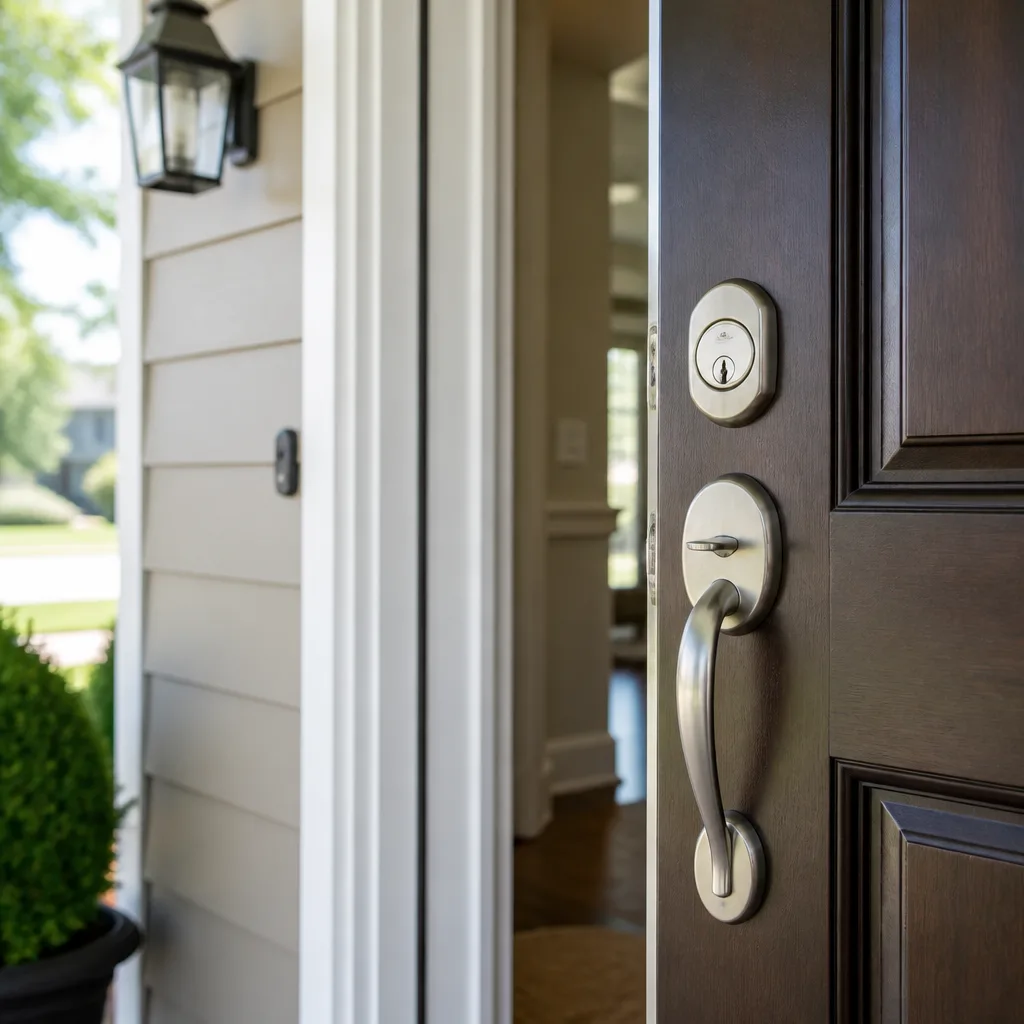
Rekeying is a cost-smart service that most landlords underuse. Rather than replacing hardware every turnover, the existing lock gets new internal pins and new keys, so the old keys stop working. On hardware from Schlage or Baldwin, the cylinder is designed for exactly this service. On high-security brands like Medeco, rekeying requires specialized equipment and keys that can’t be duplicated at a corner hardware store. A landlord with thirty units in Oakland doesn’t want thirty different keys on thirty different ring loops. A mastered key system, where one key opens common areas and each tenant key opens only their own unit, is the standard solution for multi-unit properties. It’s a service we provide, and it’s the difference between fumbling through a ring of thirty similar-looking keys and carrying one key that works everywhere you’re supposed to be.
Our car key replacement service in Oakland fills a different niche: landlords with a fleet vehicle, a maintenance van, or a shared truck often need replacement car keys or fobs on short notice, and dealership timing doesn’t work for a unit turnover week. We handle that in-house.
Common Mistakes to Avoid
- Using WD-40 on lock cylinders. It’s the most common mistake we see in Oakland. WD-40 is a penetrant and water displacer, not a lubricant. It leaves a residue that attracts salt and grit, making the lock worse within months. Use a dry silicone or Teflon lubricant instead.
- Ignoring a gritty key until it seizes. A lock that feels gritty is telling you something. If you address it early, cleaning and lubrication usually solve it. If you wait until the key won’t turn, you’re looking at cylinder replacement or a broken key extraction.
- Forcing a key that doesn’t want to turn. Oakland keys snap off in cylinders every winter, usually because someone forced a bound key against corrosion. When a key resists, stop. The fix for a bound lock is less expensive than extracting a snapped key.
- Replacing a lock when a rekey would solve the problem. If the hardware is solid and the only issue is who has keys, rekeying is faster and cheaper than replacement. This is the single most cost-effective security upgrade a homeowner or landlord can make.
- Skipping the November adjustment because “it worked before summer.” Oakland’s September heat moves frames more than people realize. The door that latched fine in May and binds in November needs a strike plate adjustment, not a new lock.
- Buying the cheapest lock at the big box store for an exterior door. Exterior locks in bay-facing Oakland neighborhoods take real abuse. A builder-grade interior knob on an exterior door will fail within a few fog seasons. Match the hardware grade to the exposure.
- Not testing the key override on electronic locks. When the battery dies or the keypad fails, the physical key becomes the only way in. If that key is lost or the override cylinder is seized from salt air, it’s a lockout.
When to Call a Professional
Some maintenance is DIY. Cleaning a keyway, lubricating a cylinder, tightening a strike plate, these are within reach for most Oakland homeowners. Other situations need a technician. Call when a key snaps off in a cylinder, when a deadbolt won’t throw even after lubrication and alignment checks, when a door frame has shifted enough that the bolt no longer seats, or when you need a rekey done correctly with security in mind. Electronic lock failures that involve wiring or failed solenoids also warrant a professional. And any time you’re locked out, whether it’s January rain or June fog, the priority is getting back inside without damaging the door or the lock. Cypress Lock & Key offers free estimates in Oakland, call (877) 265-4385.
Frequently Asked Questions
Twice a year for homes within two miles of the bay: once in June when fog arrives, once in October before the rains. Hillside homes can usually get by with an annual October lubrication, but check the key feel in June and lubricate if it feels gritty. Use a silicone- or Teflon-based dry lubricant, never WD-40. If lubrication doesn’t solve the grittiness, call (877) 265-4385 for a cylinder inspection. Estimates are free.
September is Oakland’s driest, warmest month, and the low humidity pulls moisture out of wood door frames. The frame contracts slightly, shifting the alignment between the deadbolt and the strike plate. The lock isn’t failing, the frame has moved. The fix is usually a strike plate adjustment, not a new lock. If the bolt no longer seats fully, call for professional help rather than forcing the door.
No. WD-40 is a water displacer and penetrant, not a lock lubricant. It dries into a sticky film that attracts salt, dust, and grit, which makes the lock worse within months. In Oakland’s fog zones, WD-40 in a lock cylinder causes more service calls than any other single mistake. Use a dry Teflon or silicone lubricant made for locks.
California law requires landlords to change or rekey locks when tenancy changes. In Oakland, tenant turnover peaks in June and July, which overlaps with the fog corrosion window. The smart approach is to bundle the turnover rekey with seasonal cleaning and lubrication, so the new tenant moves in with locks that are secure and functional. Schedule rekeys during turnover week, not after the new tenant has moved in.
Oakland’s June marine layer deposits salt-laden moisture on exterior hardware every night. That salt accelerates oxidation inside lock cylinders even though temperatures stay moderate. The corrosion builds over the summer, dries out in September, and reactivates with October’s first rain. Homes within two miles of the bay get the worst exposure, but hillside homes receive wind-driven salt air as well.
Yes. High-security locks fit the same door preparations as standard residential hardware, and they offer key control that prevents unauthorized duplication. For Oakland homeowners near BART stations, commercial corridors, or high-traffic streets, the upgrade is worthwhile. The keys can only be copied with authorization, which eliminates the risk of someone duplicating a key at a hardware store. Call (877) 265-4385 for an exact quote. Estimates are free, and the price quoted on the phone is the price on the invoice.
The Bottom Line
Oakland’s lock problems follow a predictable seasonal pattern: June fog starts corrosion, September heat shifts frames, October rain reactivates the damage, and January storms finish what the earlier months started. The fix is equally predictable. Clean and lubricate exterior locks twice a year with the right product, adjust strike plates when the heat moves your door frames, inspect after the first rain, and rekey whenever keys change hands. A homeowner who follows this calendar will avoid most lockouts, broken keys, and emergency calls. Those who don’t will meet their locksmith in January. Either way, we answer the phone.
Written by the team at Cypress Lock & Key, serving Oakland since 2017.