Last updated October 30, 2026
 Smart locks
 House lockouts
 Re-keying
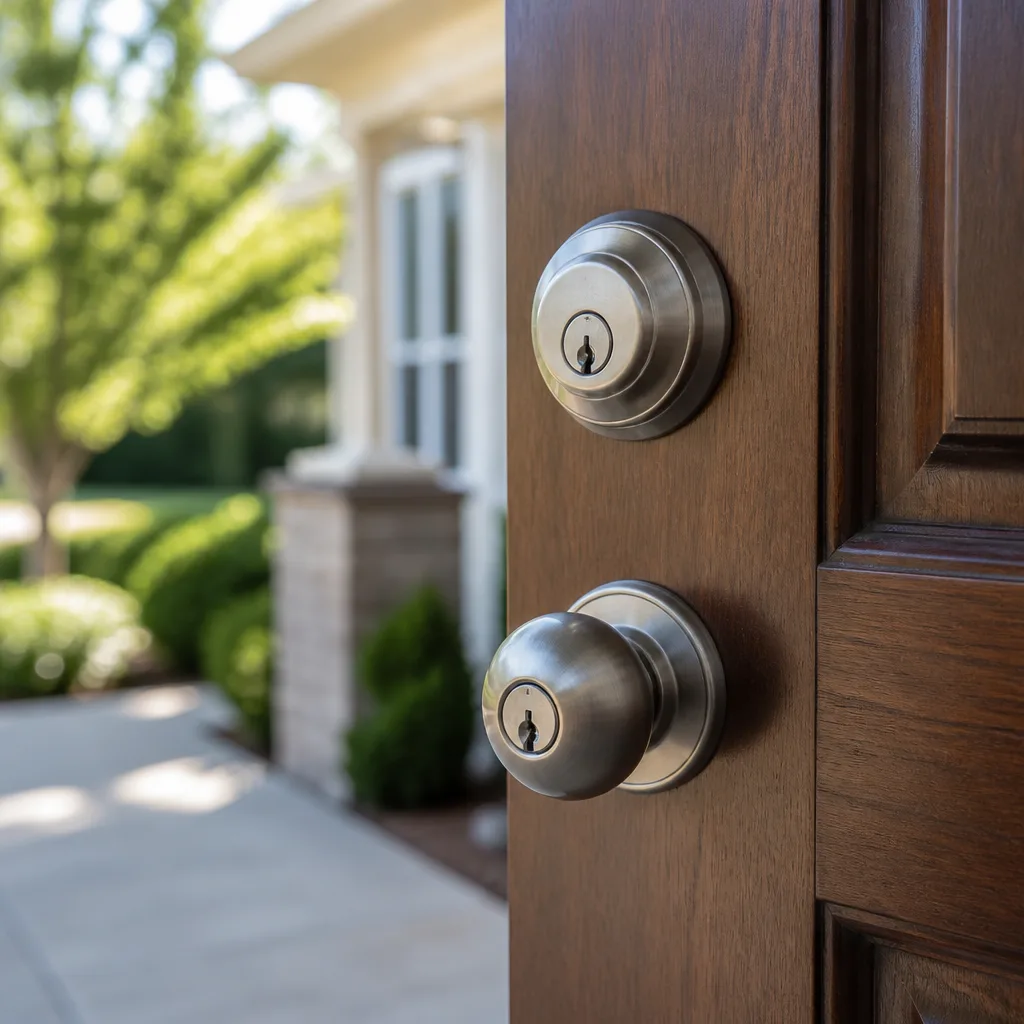 Deadbolt upgrades
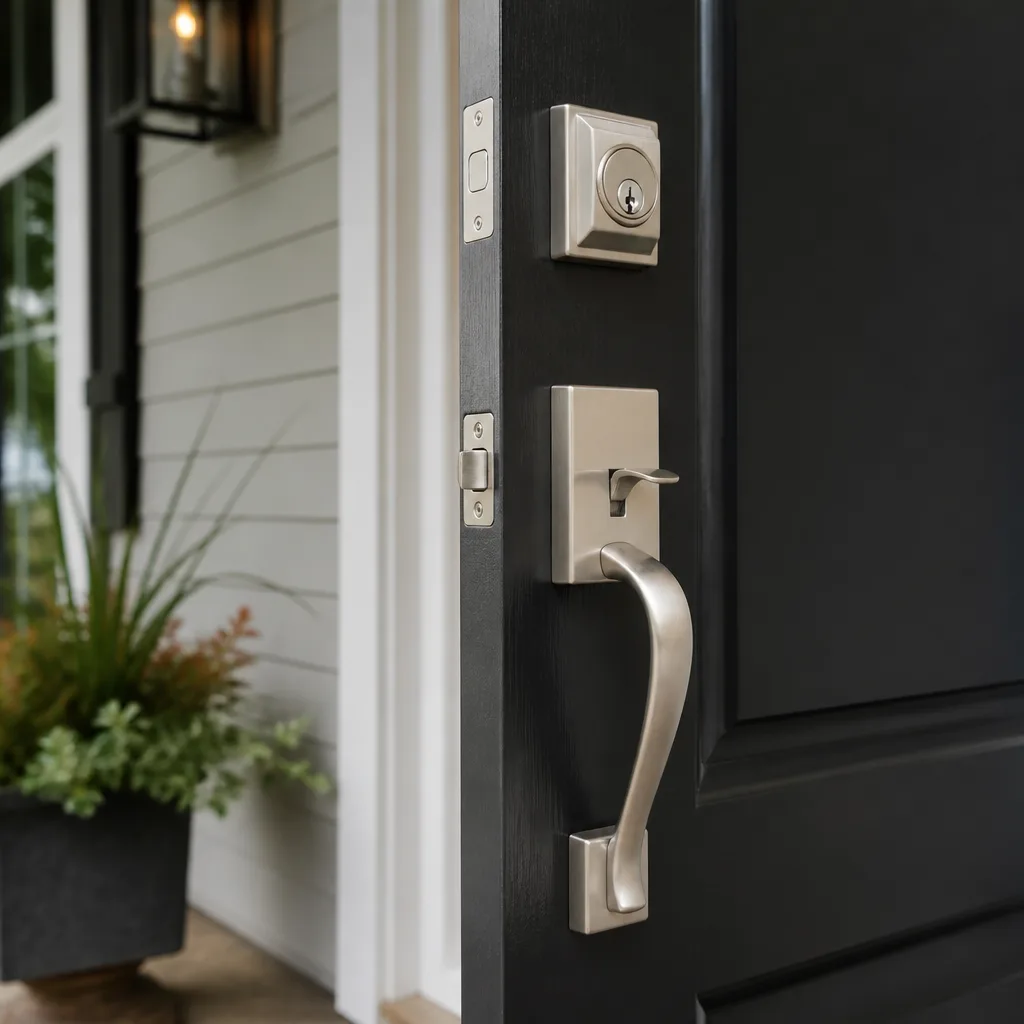 Schlage
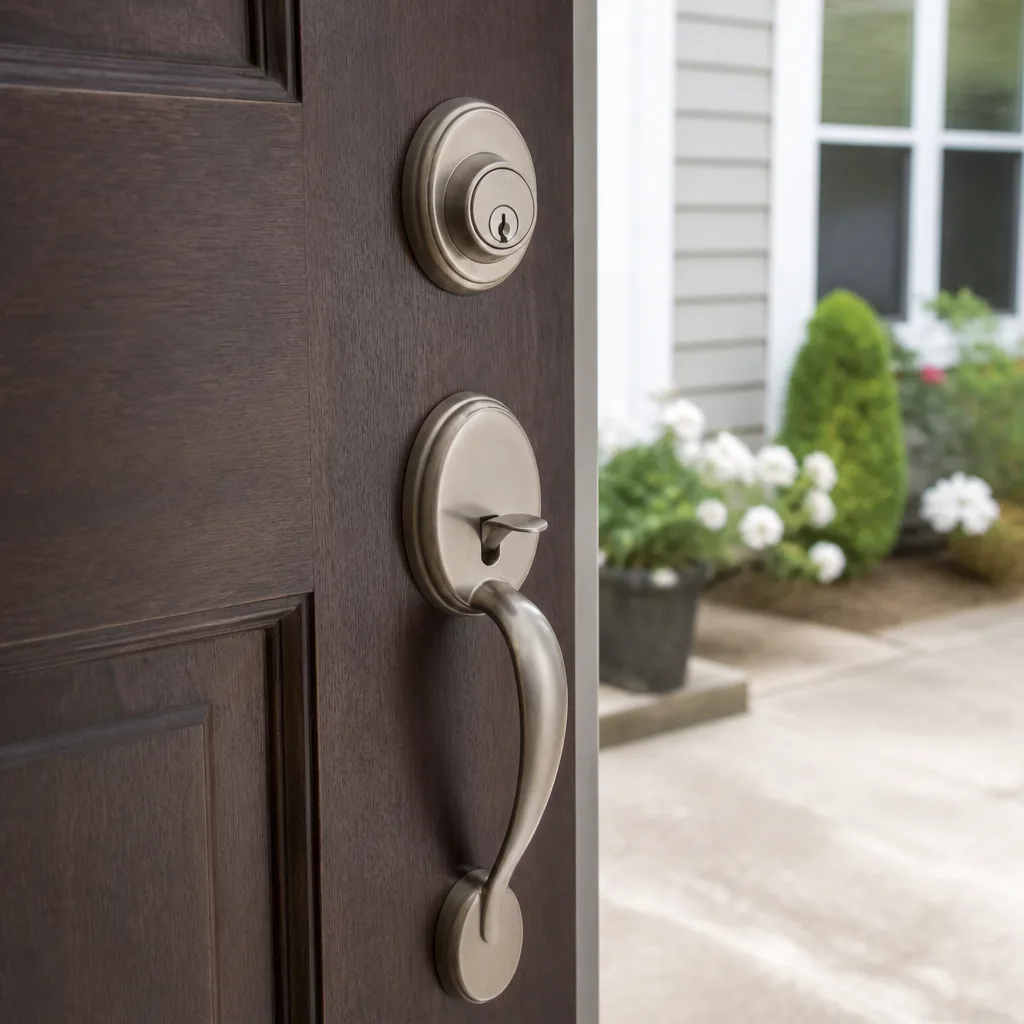 Kwikset
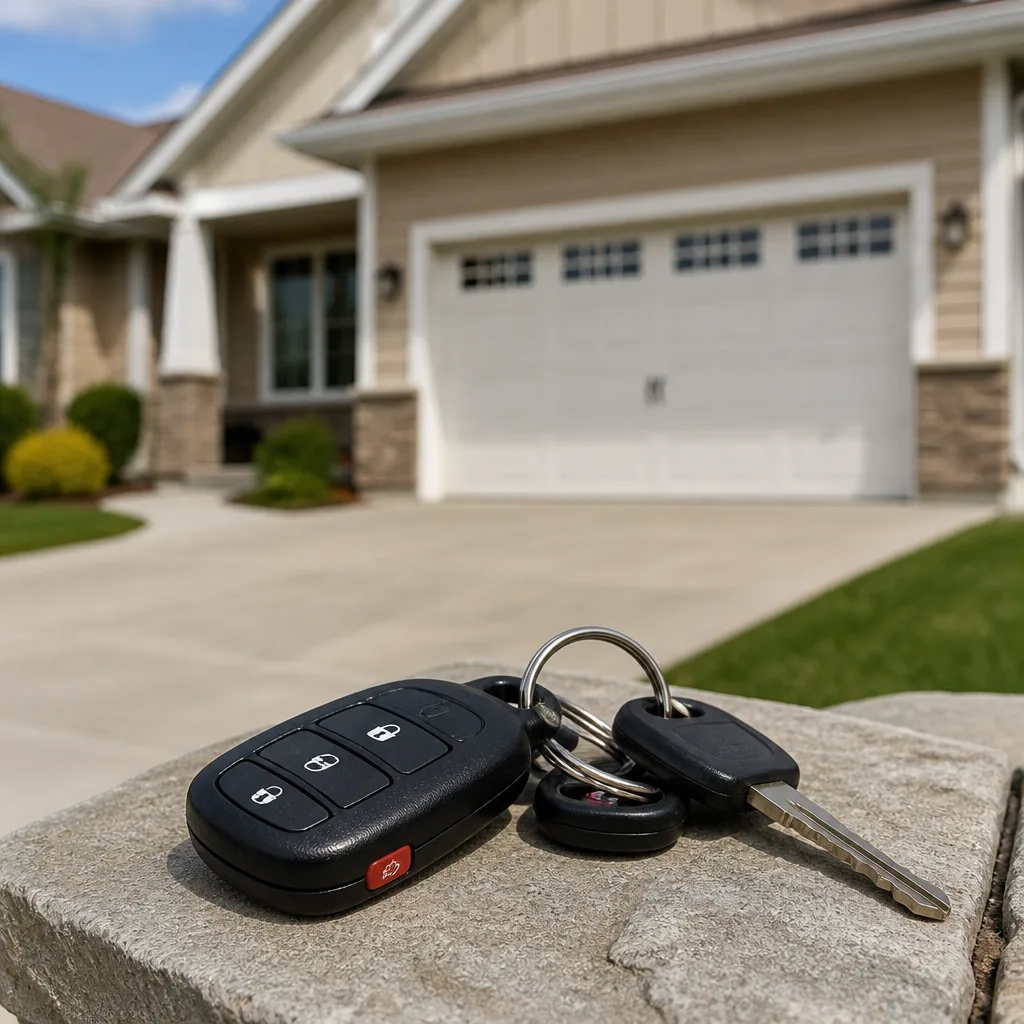 Car keys & fobs
Non-destructive entry first, always - and we re-key Schlage, Kwikset, and Baldwin locks on the spot while you watch
You get a price before we start. It does not change when we arrive. No surprises.
Get your free estimateLocksmith Warning Signs: A Oakland Homeowner’s Reference Guide
The most expensive locksmith warning sign in Oakland isn’t an unlicensed van with magnetic signs slapped on the door. It’s a licensed technician who reaches for a drill before attempting non-destructive entry, because drilling is faster for them and the bill looks the same either way. The lock gets destroyed, you pay for a replacement you didn’t need, and the tech is gone before you realize what happened. This guide is a technical reference for Oakland homeowners: what actually signals incompetence, what a proper job looks like, what a fair invoice contains, and how to spot the difference between a specialist and someone who just bought a drill at a hardware store. You’ll learn the checks you can run yourself, the questions that expose underqualified techs, and the Oakland-specific dispatch patterns that put bad locksmiths at your door.
Quick Answer
A bad locksmith in Oakland shows themselves through three things: they drill locks as a first resort instead of picking them, they can’t identify your lock brand by sight, and they quote a final price over the phone before seeing the hardware. A competent locksmith carries pick tools and plug followers, names the lock brand before touching it, and gives you a firm price only after an in-person assessment. The fix for all of this is calling a locally-based shop with documented brand experience, not a national dispatch number that routes you to whoever’s closest.
Styles & brands we work with
Table of Contents
- Drilling as a First Resort: The Technical Red Flag That Costs You Real Money
- Quote Red Flags: Why a Phone Estimate for an Unseen Lock Is a Warning
- Can They Identify Your Lock Brand? A Competency Test You Can Run in 30 Seconds
- The Oakland Dispatch Pattern: National Call Centers and Subcontracted Technicians
- Post-Installation Checks: Five Things to Verify Before the Tech Leaves
- What a Legitimate Invoice Looks Like (And What Missing Documents Signal)
- Lock Grades and Why They Matter for Oakland Homes
- Common Mistakes to Avoid
- When to Call a Professional
- Frequently Asked Questions
Drilling as a First Resort: The Technical Red Flag That Costs You Real Money
Drilling a lock cylinder is destructive entry. It destroys the lock. It should be the last resort, not the opening move. In Oakland, we regularly see homeowners who called a locksmith for a simple lockout and ended up with a drilled-out deadbolt, a $75 replacement lock marked up to $180, and a tech who said the old lock “couldn’t be picked.” Most residential locks in Oakland homes, especially the Schlage and Kwikset hardware on the majority of doors built in the last 40 years, pick open in under five minutes with standard tools. A technician who goes straight to the drill either lacks the skill to pick, lacks the patience, or wants to inflate the job by selling you a new lock at markup.
Here’s what a competent non-destructive entry looks like: the tech arrives, examines the lock, identifies the brand, grabs a pick set and a tension wrench, and works the cylinder. If they’re skilled, they’ll open most standard residential pin-tumbler locks without damage. There are real cases where drilling is the right call: a broken key jammed in the cylinder, a severely corroded lock on an Oakland hills home exposed to years of coastal moisture, or a high-security cylinder that has failed mechanically. But those are exceptions, and a good tech explains why before the drill comes out, not after.
Specific red flags to watch for:
- No pick set visible. A technician who arrives at a lockout without pick tools, a plug follower, or a tension wrench is telling you something. Those are the core tools of non-destructive entry. If they only have a drill and replacement locks in the van, you’re looking at a parts seller, not a locksmith.
- Drilling within the first two minutes. There are locks that resist picking, but no competent tech declares defeat that fast without touching the picks.
- No explanation of the drill decision. A good tech says, “This Kwikset has a seized plug from corrosion, I’m going to drill it because picking will take longer than the lock is worth.” A bad tech says, “Yeah, these locks can’t be picked,” before they’ve tried.
- Replacement lock sold at inflated markup. If the tech drills your lock and then charges you $150 for a $20 Kwikset grade 3 deadbolt, you’ve been taken twice. The drilling was the setup; the hardware markup is the profit.
For Oakland homeowners, the practical takeaway is this: if a tech says drilling is the only option, ask them to show you the pick attempt first. A professional can demonstrate why the cylinder won’t turn. If they get defensive or refuse, send them away and call a different locksmith. The Cypress Lock & Key home team has handled lockouts where the first tech quoted a drill-and-replace and the second tech opened the door non-destructively in minutes. It happens regularly enough that we mention it as a pattern, not an anomaly.
Quote Red Flags: Why a Phone Estimate for an Unseen Lock Is a Warning
A phone estimate for a job that requires an in-person assessment is the single most reliable signal that you’re talking to a dispatch operation, not a locksmith. Locks vary. A Schlage B60 deadbolt and a Kwikset SmartKey are different mechanisms with different service profiles. A lock on a 1920s Oakland bungalow with original mortise hardware is a different job from a standard bored hole installation on a tract home in the flatlands. No honest technician quotes a firm price without seeing the hardware. They might give you a service call fee or a range, but the final number depends on what they find.
Here’s how the bait-pricing model works in Oakland: a national call center advertises “$19 lockout service.” You call, they dispatch a subcontracted tech, the tech arrives and the $19 becomes $189 because of “labor,” “emergency fees,” “mileage,” and “parts that needed replacing.” By the time the real price appears, you’re standing outside your house at midnight with a stranger holding tools and a clipboard. Most people pay. That’s the business model. The $19 was never real.
Legitimate pricing patterns look like this:
- Service call fee stated upfront. A local locksmith in Oakland typically charges a trip fee that covers the drive and the assessment. This fee should be disclosed on the phone and applies whether you proceed with the work or not.
- Firm price after assessment. Once the tech sees the lock, the key, and the door, they give you a firm number. That number should be the final number, not a starting point for add-ons.
- Itemized parts and labor. If a lock needs replacing, the invoice separates the hardware cost from the labor. You should know exactly what you’re paying for each component.
- No arrival surcharge. If the phone quote changes the moment the tech shows up and says “this is a different lock than described,” that’s a red flag unless the lock genuinely differs from what you described.
For a deeper look at what emergency pricing should look like, read our breakdown of Emergency Locksmith in Oakland services and what a midnight lockout should actually cost. The short version: a real emergency locksmith quotes a service call fee over the phone and a firm job price on site, before work begins. Anyone quoting a final price sight unseen is running a script, not a service.
Can They Identify Your Lock Brand? A Competency Test You Can Run in 30 Seconds
Stand at your front door. Look at the deadbolt. A competent locksmith can identify that lock brand from across the porch. Schlage deadbolts have a distinct keyway and a trim ring with visible screws. Kwikset hardware has a different faceplate profile and keyway shape. Baldwin hardware looks different from both. An underqualified tech either can’t tell them apart or doesn’t think it matters. It matters. Different brands require different pinning depths, different key blanks, and different service procedures. A tech who treats all locks as interchangeable is a tech who will cut keys that don’t work, pin cylinders incorrectly, or install hardware that doesn’t match your existing door prep.
We work on eight lock brands at Cypress: Schlage, Kwikset, Baldwin, Yale, Sargent, Medeco, Mul-T-Lock, and Abloy. That range matters because each brand has specific tooling and service requirements. A Kwikset SmartKey rekey uses a different process than a traditional pin-and-tumbler Schlage. A Medeco cylinder requires a tech who understands high-security pinning and restricted keyways. An Abloy disc-detainer cylinder is a different mechanism entirely from a standard pin-tumbler lock. When a tech can’t identify which one is on your door, they almost certainly can’t service it correctly.
Here’s the 30-second test: before you call a locksmith, look at your own lock and note the brand. When the tech arrives, ask them what brand and model they’re looking at. A good answer is immediate and specific: “That’s a Schlage B60, standard 5-pin cylinder.” A bad answer is a shrug, a squint, or “they’re all basically the same.” That’s not a personality quirk. That’s a competency gap. If they can’t identify the hardware, they don’t have the training to work on it.
For Oakland homes specifically, this matters because of the age range of housing stock. A Victorian in West Oakland might have original mortise locks with skeleton-key cylinders that were retrofitted decades later. A 2005 build near Lake Merritt likely has builder-grade Kwikset. A hills home in Montclair might have a Baldwin or high-security upgrade from a previous owner who had a break-in. Each scenario calls for different knowledge. A one-brand shop that only knows Kwikset is going to struggle with the Baldwin. A tech who can’t tell the difference between a Sargent mortise cylinder and a standard bored deadbolt is going to waste your time and possibly damage your door.
Read Rekey Locks in Oakland for more on how brand-specific rekeying works and why it costs less than hardware replacement.
The Oakland Dispatch Pattern: National Call Centers and Subcontracted Technicians
Oakland has a specific locksmith scam pattern that plays out differently from the classic “unlicensed van” story. The setup goes like this: you search for a locksmith, you click a result that looks local, you call a number, and you reach a national call center. The call center takes your information and dispatches a “technician” who is actually an independent subcontractor, sometimes with minimal training, sometimes with no locksmith license at all. The call center takes a cut, the subcontractor charges you directly, and neither party is accountable for the work. If the job goes wrong, the call center says they only handle dispatch. The tech says they’re just a contractor. You’re left with a drilled-out lock and no one to call back.
This pattern is prevalent in Oakland because of the density of rental housing and the high volume of lockout calls. Property managers need rekeying between tenants. Renters lock themselves out at night. Homeowners lose keys. High call volume attracts dispatch operations who see locksmithing as a lead-generation business, not a trade. They spend their money on Google ads, not on training or equipment.
How to confirm you’re calling a locally-based operation:
- Ask for the physical address of the business. A real Oakland locksmith has an address, a shop, or at least a verifiable local business registration. A dispatch operation has a PO box in another state.
- Ask who will show up. “Is the tech your employee or a contractor?” Real shops send their own techs. Dispatch operations send whoever picked up the job board posting.
- Search the business name and “Oakland” together. Look for local reviews that reference specific Oakland neighborhoods, specific techs by name, and specific jobs. Generic five-star reviews with no local detail are often paid or fake.
- Check if the phone number repeats across multiple “companies.” Many dispatch operations run 20 different website names that all route to the same call center. If three different “Oakland locksmith” sites have the same phone number, you’ve found a dispatch hub.
- Ask about their rekey and installation process. A real locksmith can describe how they rekey a Schlage versus a Kwikset SmartKey. A dispatch operator reads a script.
The stakes here go beyond money. When a subcontracted tech with minimal training works on your lock, they might install a deadbolt with a misaligned strike plate that leaves your door kickable. They might cut a key that works in the lock but wears the pins prematurely because the depths are slightly off. They might drill a lock that could have been picked. The damage shows up weeks or months later, long after the dispatch operation has disappeared and the subcontractor has moved on to the next job board. If you’re locked out and need help fast, Emergency Locksmith in Oakland explains what a real emergency response looks like and what it should cost.
Post-Installation Checks: Five Things to Verify Before the Tech Leaves
Here’s a scenario Oakland homeowners describe to us regularly: a tech installs a new deadbolt, collects payment, leaves, and the homeowner discovers three days later that the deadbolt doesn’t fully throw, the strike plate is held in by a half-inch screw, and the key only works if you jiggle it. By then the tech is gone. These are avoidable if you run five checks before paying and before the tech drives away.
Check 1: Deadbolt throw resistance. With the door open, turn the thumb turn and watch the bolt extend fully. It should move smoothly and extend to its full length without grinding or catching. Then close the door and try again. If the bolt hits the edge of the strike plate and won’t fully extend, the plate is misaligned. That deadbolt is not actually locking your door. A proper install either aligns the plate correctly or adjusts the door prep so the bolt throws clean.
Check 2: Strike plate screw length. The strike plate on the door frame should be secured with screws at least 2 1/2 to 3 inches long that reach into the door frame stud, not just the thin jamb material. The cheap half-inch screws that come in the box with most deadbolts are a kick-in invitation. A deadbolt is only as strong as the screws holding the strike plate. If the tech used the short screws, ask them to replace them before you pay. If they don’t have long screws on the truck, that’s an equipment red flag.
Check 3: Key cut depth comparison. If you got new keys cut, compare each new key to an old working key (if available) or to each other if you got multiple copies. The cuts should be crisp and identical. Hold the two keys together against a light source. If the teeth don’t match, the key will bind in the cylinder or fail to turn. A key cut too deep or too shallow wears the pins unevenly and shortens the lock’s lifespan. This is a precision job; sloppy key cutting is the mark of a tech who doesn’t own a proper key machine or doesn’t know how to calibrate it.
Check 4: Test the key both ways. Insert the new key and turn it. Then remove it, flip it 180 degrees, and insert it the other way. A correctly cut key works in both orientations. If it only works one way, the cuts are asymmetrical and the key will eventually fail to turn. This is a common issue with cheap duplication machines at hardware stores, but it shouldn’t happen with a professional locksmith’s equipment.
Check 5: Ask to see the cylinder removed and reinstalled. If the tech rekeyed your lock, ask them to show you the cylinder before reinstalling it. A competent tech can pop the cylinder out with a plug follower, show you the new pins, and slide it back in. If they look confused by the request or say they “don’t need to do that,” they probably didn’t rekey the lock at all, they just swapped in a new cylinder and charged you for a rekey. There’s a difference, and it shows in the invoice.
What a Legitimate Invoice Looks Like (And What Missing Documents Signal)
An invoice isn’t just a receipt. It’s the documentation that protects you if the lock fails, if the key breaks, or if there’s a liability dispute. A legitimate Oakland locksmith invoice contains specific elements. When those elements are missing, it’s a signal that the tech doesn’t want a paper trail, which usually means they don’t stand behind the work.
A proper invoice includes:
- Business name and contact information. Not just a first name and a phone number. You should see a company name, a business address or at minimum a verifiable local presence, and a phone number that reaches a human who knows about your job.
- Itemized parts list. Each component is named. “Deadbolt, Schlage B60, single cylinder, satin nickel” is an item. “Lock” is not. If the invoice says “lock and labor” as one line item, you can’t verify what hardware was installed or whether you got the grade you paid for.
- Separate labor line. Labor should be its own line item with a clear rate or flat job price. This matters because it lets you compare hardware costs against retail prices and identify markup.
- Warranty terms stated. The invoice should state what’s covered and for how long. A typical warranty on a new deadbolt installation is 90 days to 1 year on labor. If there’s no warranty language at all, assume there’s no warranty.
- Date, time, and tech name. This ties the job to a specific person on a specific day. If you need follow-up work, you want the same tech or at least a record of who did what.
- License number (when provided). Not all jurisdictions require a locksmith license, but Oakland operates within California’s regulatory framework. A local operation should be able to provide their contractor or locksmith license information on request. At Cypress Lock & Key, we provide our credentials when asked, and we document each job so the customer has a clear record.
What missing documentation signals: a tech who won’t provide an itemized invoice or a company name is likely a subcontractor who doesn’t want you to find them after the work is done. They’re not building a business in Oakland; they’re working a job board. When something fails six weeks later, you have no one to call. That’s not a warranty issue. That’s a business model. Real locksmiths carry business insurance, document their work, and answer when you call back.
Lock Grades and Why They Matter for Oakland Homes
Residential locks come in three grades under the ANSI/BHMA rating system: Grade 1, Grade 2, and Grade 3. Grade 1 is the strongest residential grade, rated for high-traffic commercial use and tested to withstand more force and more cycles. Grade 3 is the budget tier, often builder-grade, rated for lower cycle counts and less abuse. Here’s what Oakland homeowners need to know: most tract homes built in the last 30 years across the city come with Grade 3 Kwikset or equivalent builder-issue hardware. That hardware fails faster, and its key tolerances are looser, meaning keys wear unevenly and lockouts happen more often.
The warning sign isn’t the Grade 3 lock itself. It’s when a tech installs a Grade 3 deadbolt where a Grade 1 or Grade 2 was specified or discussed. This happens when a dispatch tech quotes a price over the phone for “a new deadbolt” and then shows up with the cheapest hardware the supply house had that morning. You asked for security, you got a lock that a determined kick can defeat because the bolt is short, the housing is thin, and the screws are short. The tech doesn’t care – they’re already on the way to the next call.
Here’s a practical grading guide:
- Grade 3 (budget): Acceptable for interior doors or low-risk applications. Not the right choice for a primary entry door on a street-level Oakland flat or a ground-floor apartment.
- Grade 2 (mid-range): The sweet spot for most Oakland homes. Resists standard forced-entry attempts, holds up to years of daily use, and doesn’t cost dramatically more than Grade 3.
- Grade 1 (commercial-grade): The right choice for Oakland property managers with turnover, small businesses, or homeowners who’ve had a prior break-in and want the strongest residential option available. Schlage and Sargent both make respected Grade 1 lines.
Ask the tech what grade they’re installing and write it down. If the answer is a blank stare, that’s your sign. A trained locksmith knows lock grades the way a mechanic knows brake pad ratings. It’s foundational knowledge, not specialty trivia.
Common Mistakes to Avoid
- Accepting a phone quote for an unseen lock. The phone dispatcher hasn’t seen your hardware. Any firm price given before an in-person assessment is either a bait number that will climb on arrival, or a signal that the company treats all locks as interchangeable. Neither is good.
- Not asking about destructive vs. non-destructive entry before the tech starts. Once the drill comes out, the lock is destroyed. Ask first: “Can you pick this, or does it need to be drilled?” A good tech explains why. A bad tech gets defensive.
- Paying without checking the work. Five checks: bolt throw, strike plate screws, key cuts, both-orientation key test, cylinder inspection. Run them before payment. A tech who resists a post-install inspection is not a tech you want to pay.
- Assuming “licensed” means “competent.” A license means the tech cleared a regulatory bar. It does not mean they can pick a Schlage, identify an Abloy cylinder, or install a Mul-T-Lock properly. Licensing and brand-specific training are different things, and only the second one shows up in the quality of the work.
- Calling a national dispatch number because it appeared first in search results. The top result for “locksmith Oakland” is not necessarily an Oakland locksmith. It’s often a lead-generation company that bought the ad slot. Scroll past the ads, check the address, and verify the business is local.
- Skipping rekeying after moving into a new place. Oakland renters and buyers frequently inherit locks that previous occupants, contractors, or former roommates have keys to. Rekeying is cheaper than replacing hardware and immediately restores security. If your locksmith doesn’t mention rekeying as an option during a lockout or new-home service call, they’re leaving money off the table and leaving a security gap open.
When to Call a Professional
There’s a line between what a homeowner can reasonably handle and what needs a trained locksmith. You can swap out a doorknob with a screwdriver and an afternoon. You can’t safely service a cylinder, rekey a lock, cut a key accurately, or assess a door prep problem without training and proper equipment. Call a professional when: you’re locked out and the door is your only entry point; your key broke off in the cylinder; your lock was tampered with or forced; you’re rekeying after a roommate or tenant change; your car key snapped or the transponder stopped working; or you’re deciding between repairing existing hardware and replacing it, and you want an honest recommendation rather than a parts sales pitch. Cypress Lock & Key offers free estimates in Oakland – call (877) 265-4385.
Frequently Asked Questions
Ask for the business’s physical address and the tech’s name before they arrive. A legitimate Oakland locksmith has verifiable local roots – a shop, a business registration, and reviews that reference specific Oakland neighborhoods and jobs. If the “business” is a phone number that reroutes to a call center and the tech is a stranger with no company identification, treat that as a red flag.
A straightforward lockout in Oakland typically runs from $75 to $200 depending on time of day, lock type, and whether any parts need replacing. Expect a service call fee disclosed upfront, a firm price given after the tech assesses the lock, and no surprise add-ons on arrival. Anyone advertising a $19 lockout is baiting you.
Rekeying is almost always the better move. It costs less than replacing hardware, keeps your existing door prep intact, and immediately invalidates all previous keys. If the existing hardware is damaged or you want to upgrade from builder-grade Kwikset to something stronger, replacement makes sense. Otherwise, rekey it.
Yes, and they should try. Most standard residential Schlage and Kwikset locks pick open non-destructively in minutes with the right tools. Drilling is reserved for broken keys, seized cylinders, failed mechanisms, or high-security locks that have mechanically failed. If a tech reaches for the drill without attempting to pick, stop the work.
At minimum, a residential locksmith should know Schlage and Kwikset inside out – those cover the majority of Oakland homes. A stronger shop works across more brands. Cypress Lock & Key handles eight: Schlage, Kwikset, Baldwin, Yale, Sargent, Medeco, Mul-T-Lock, and Abloy. That range matters if your home has premium hardware or you want a non-standard security setup.
Document everything: photos of the drilled lock, the invoice, the tech’s name (if they gave one), and the phone number you called. Then file a complaint with the California licensing board and leave a factual review that names the company specifically. The hardest part is proving the lock could have been picked, which is why it’s better to ask the non-destructive question before the drill comes out, not after.
The Bottom Line
The warning signs that matter most in Oakland are technical, not cosmetic. A tech who drills before picking, can’t identify your lock brand, quotes a final price over the phone, or won’t produce an itemized invoice is a tech who will cost you more than the job was worth, either in the moment or weeks later when the hardware fails. A good job leaves you with a working lock, a key that operates smoothly in both orientations, a strike plate anchored to the frame, and a paper trail. If you’re locked out, need a rekey, or want an honest assessment of the locks on your home, Car Key Replacement in Oakland and Rekey Locks in Oakland cover the other common services we provide. When in doubt, ask the brand question. The answer tells you everything.
Written by the team at Cypress Lock & Key, serving Oakland since 2017.