Last updated October 30, 2026
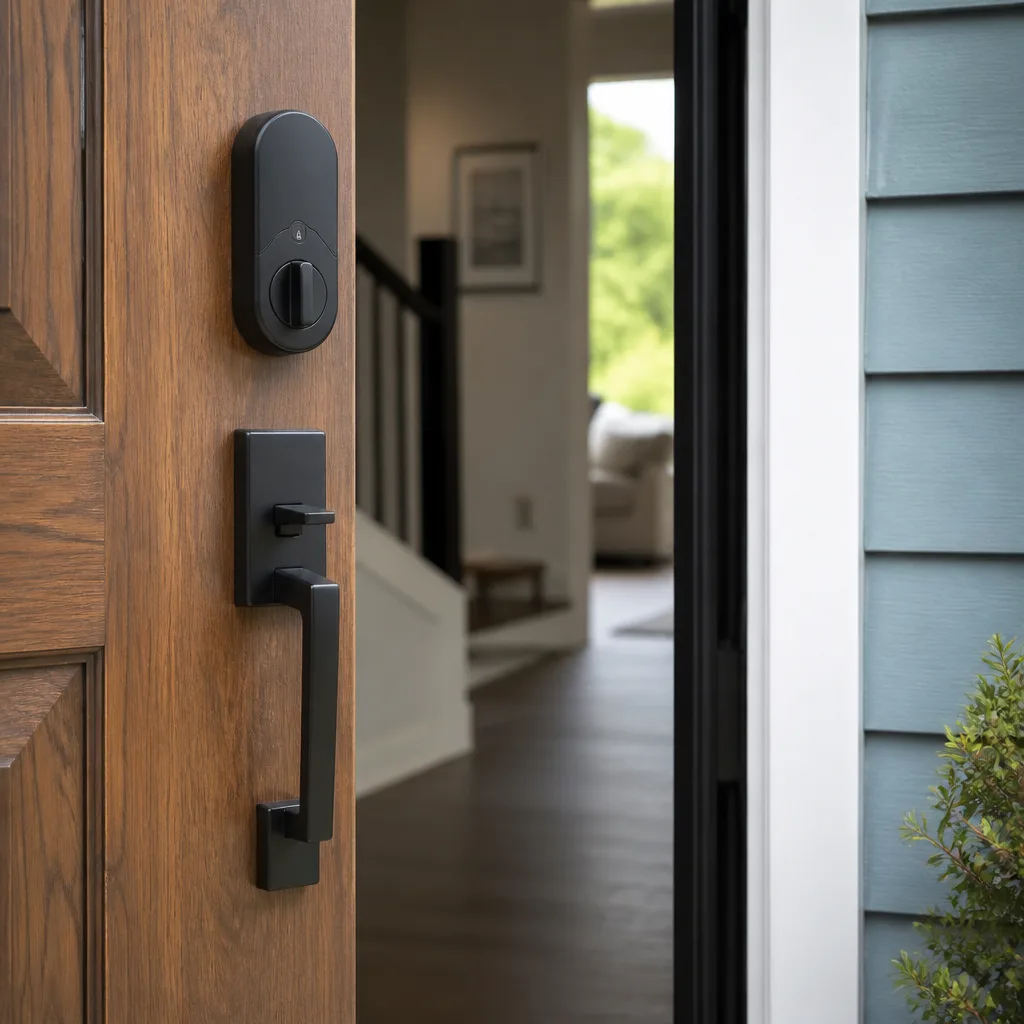 Smart locks
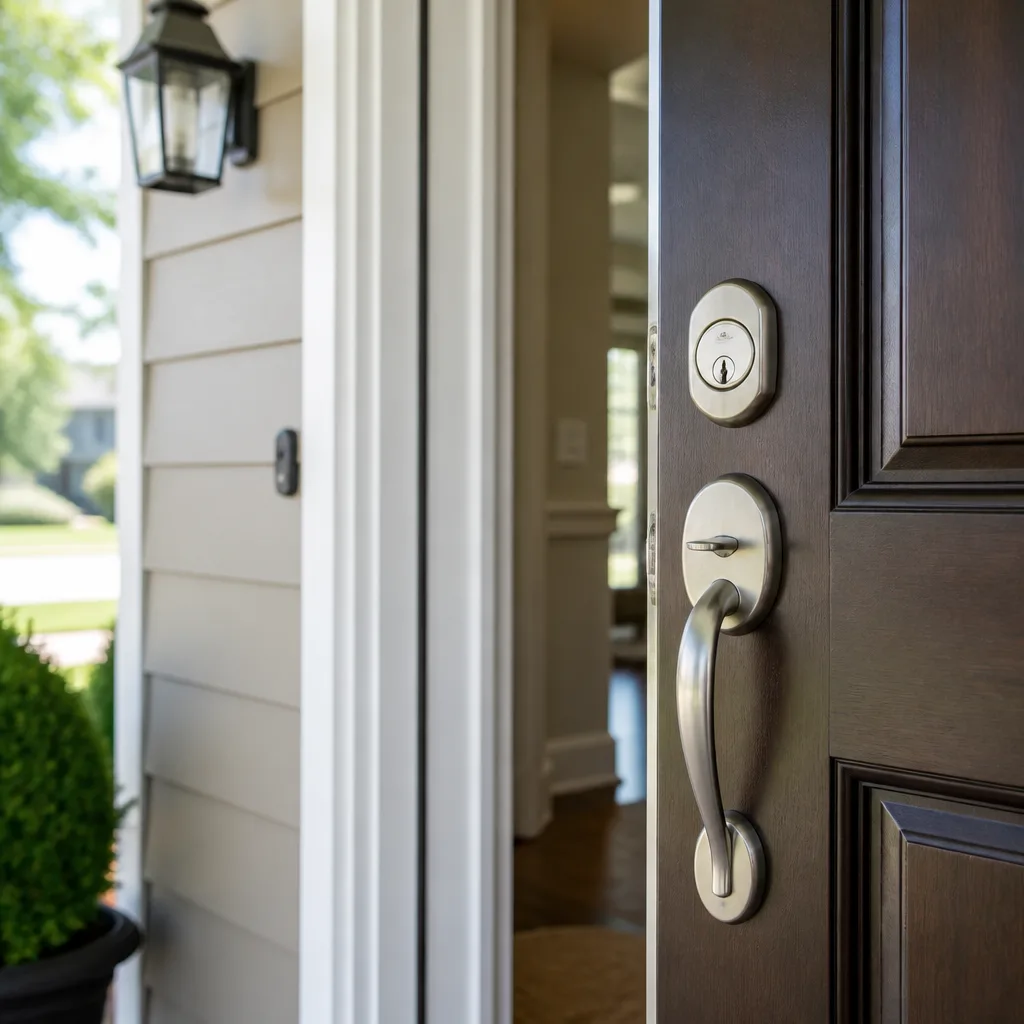 House lockouts
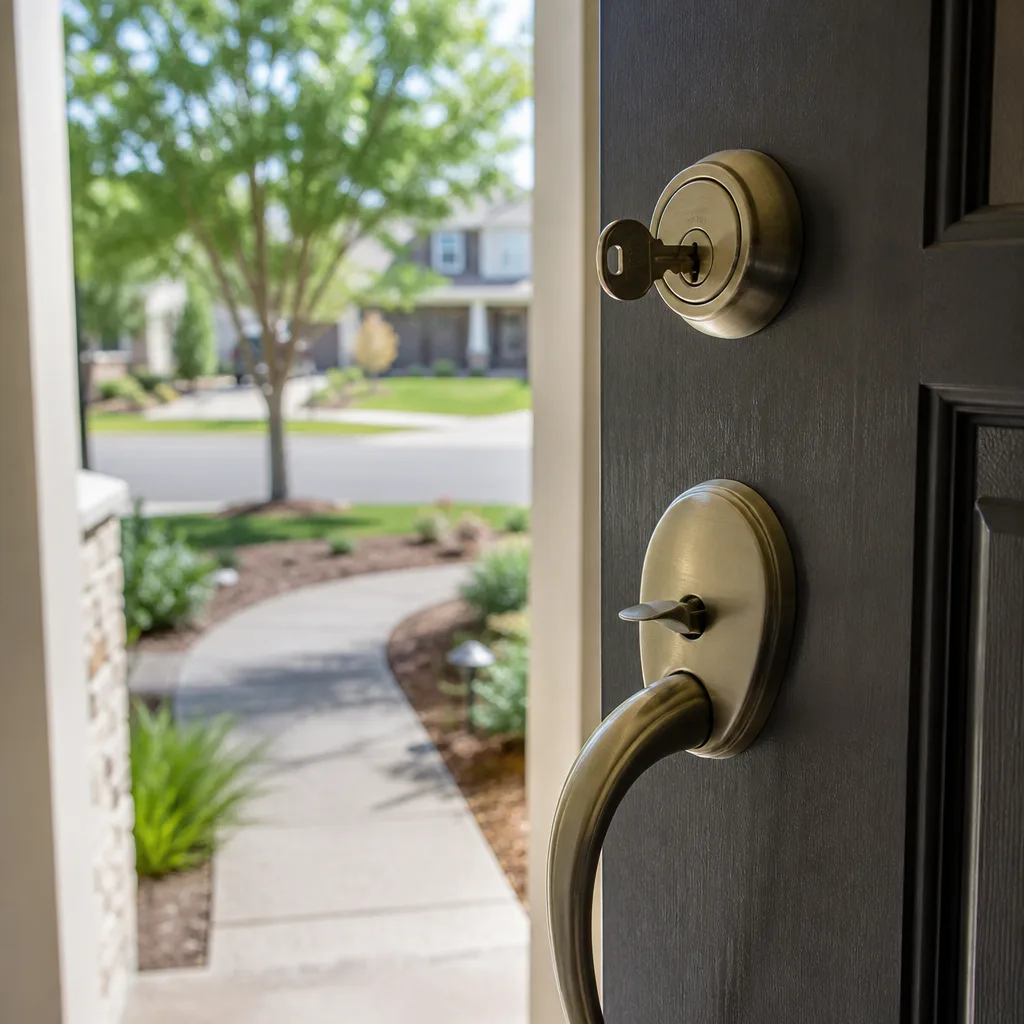 Re-keying
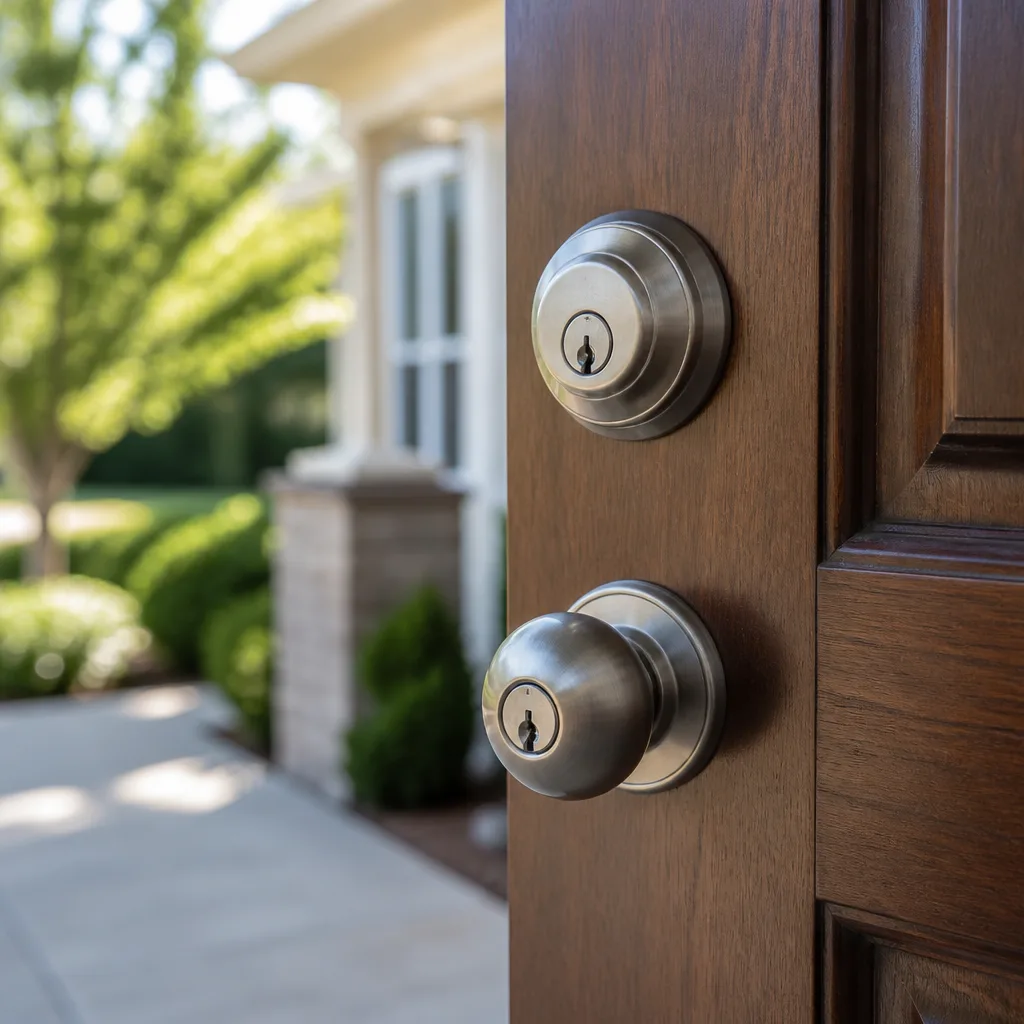 Deadbolt upgrades
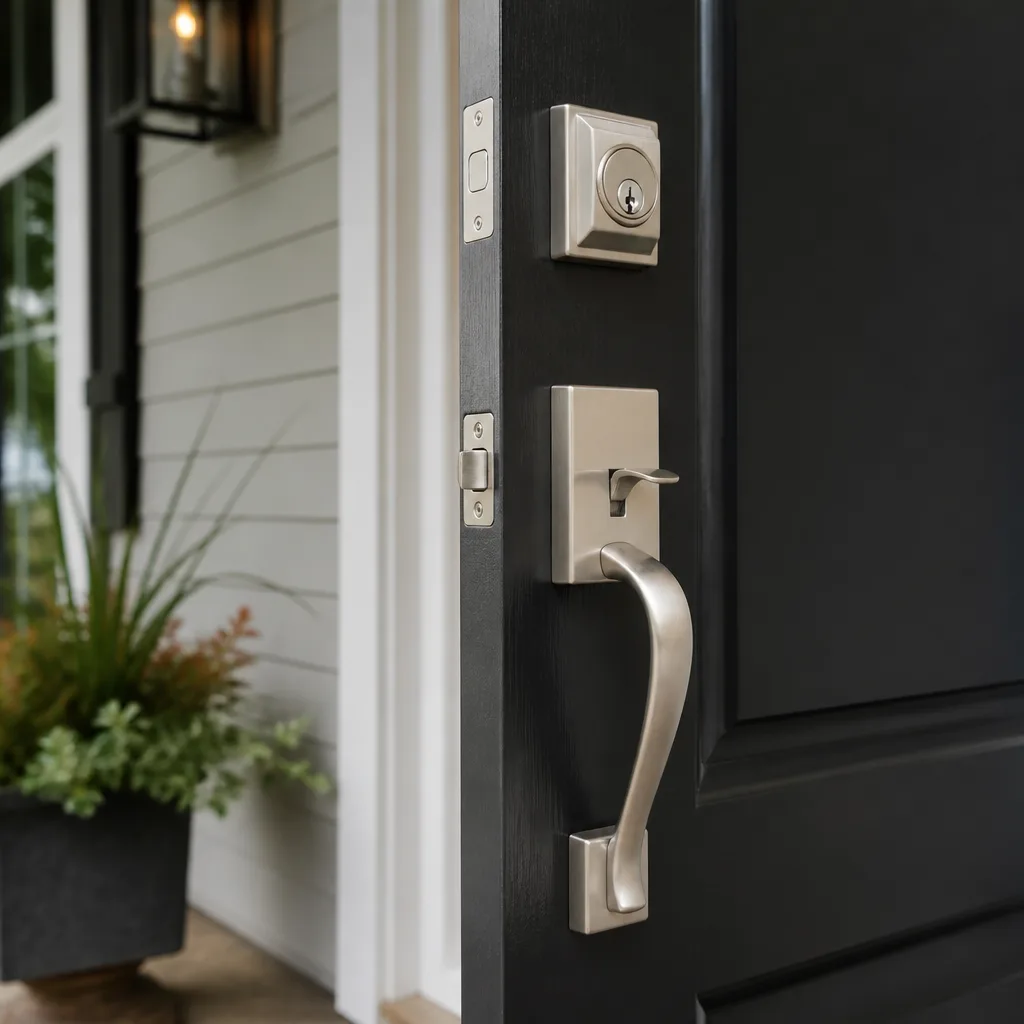 Schlage
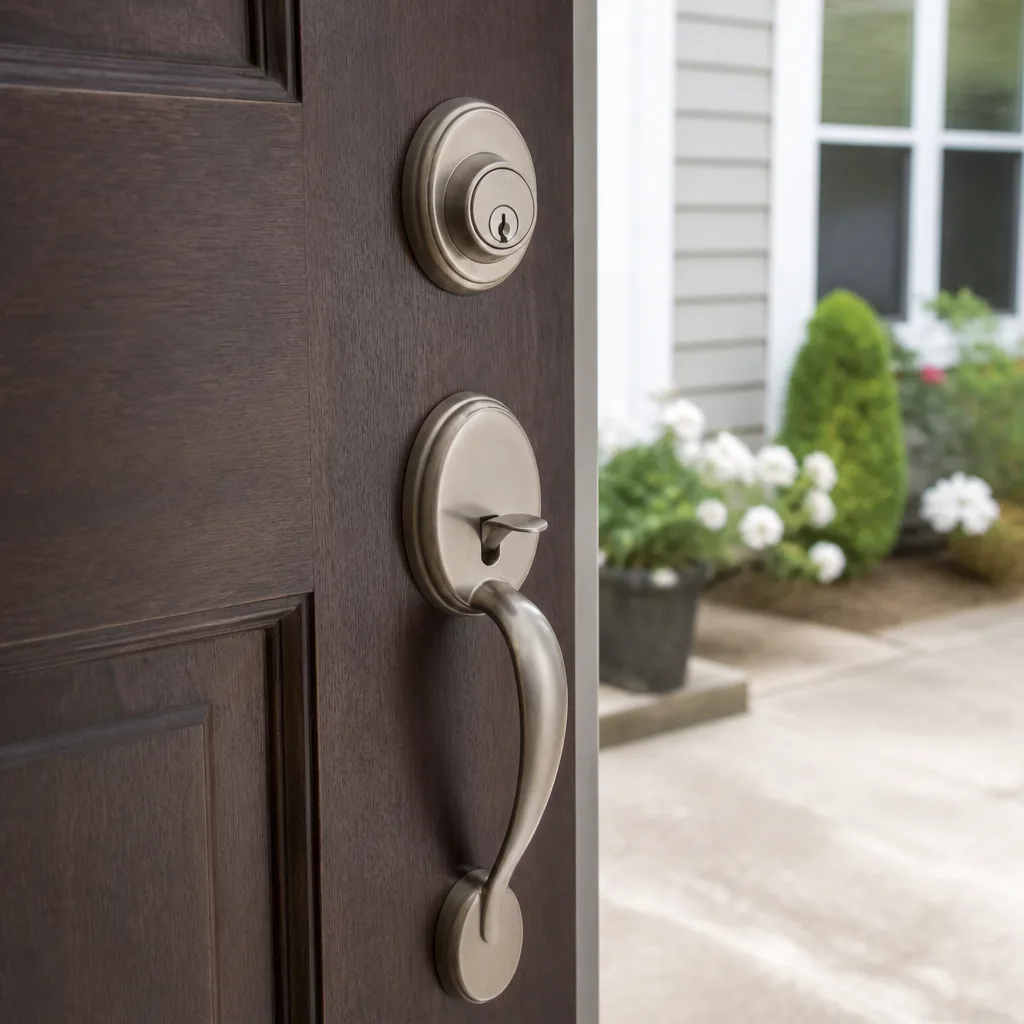 Kwikset
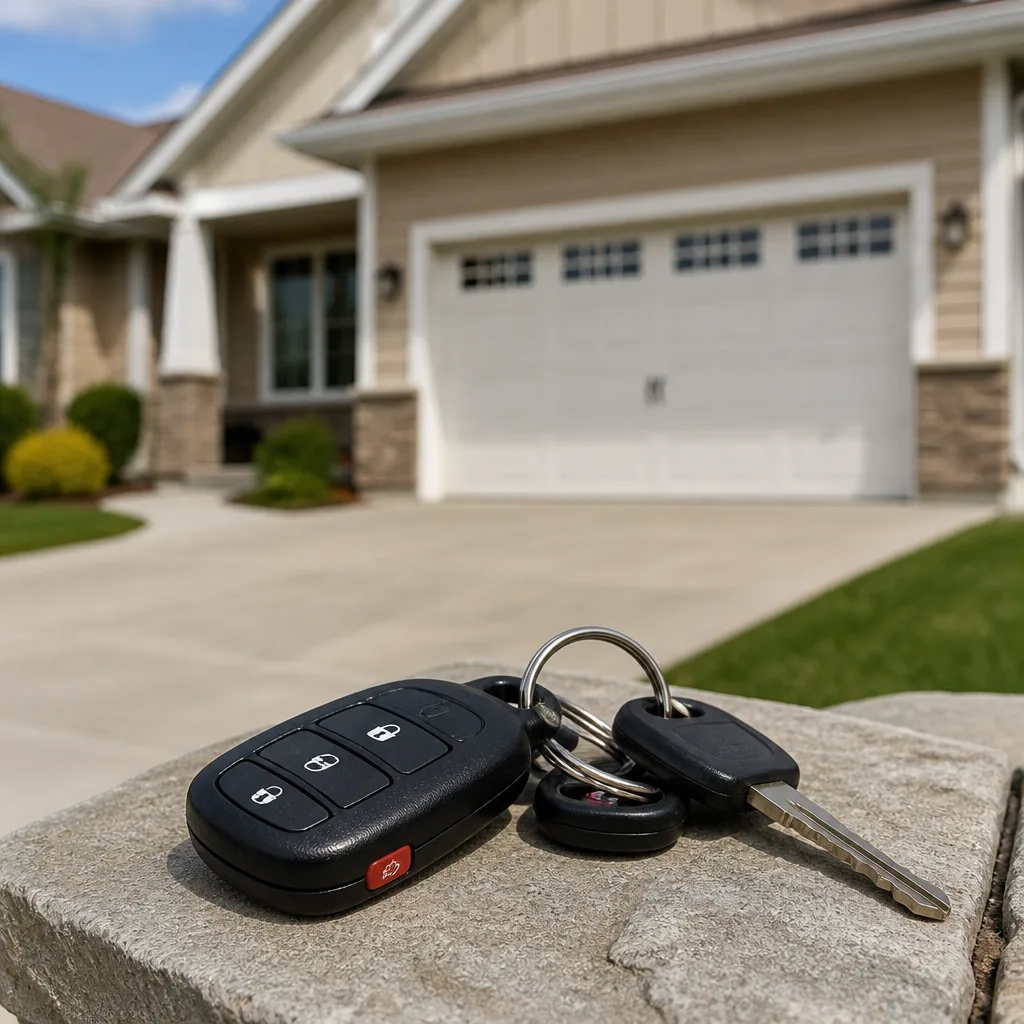 Car keys & fobs
Non-destructive entry first, always - and we re-key Schlage, Kwikset, and Baldwin locks on the spot while you watch
You get a price before we start. It does not change when we arrive. No surprises.
Get your free estimateLocksmith Permits, Codes & Inspections in CA: What You Need to Know
Installing a high-security deadbolt on your Oakland rental unit doesn’t require a permit. But changing the egress hardware on a bedroom door during a remodel does, and mixing those two up is how landlords end up with failed inspections, stop-work orders, and angry tenants. California regulates locksmiths through BSIS licensure, but the permit and inspection requirements that actually affect Oakland homeowners mostly sit at the municipal and building-code level. Those rules govern lock grade on rental units, egress hardware on remodels, and keyed deadbolt placement in ways most residents never encounter until a permit is pulled. This guide clarifies what triggers a requirement versus what doesn’t, and for Locksmith Warning Signs: A Oakland Homeowner’s Reference Guide on spotting red flags early, see our related resource.
Styles & brands we work with
Quick Answer
Most residential lock swaps in California do not require a building permit, but any change to egress hardware, door frame structure, or new construction triggers permit and inspection requirements. The locksmith performing the work must hold a California BSIS locksmith license. Oakland rental units have specific minimum lock grade requirements, and California Civil Code 1941.3 legally defines what counts as a deadbolt. For commercial-adjacent spaces like live-work units, ADA and egress codes add another layer of lock selection rules that inspectors do check.
Table of Contents
- California BSIS Locksmith Licensing: What the Law Actually Requires
- When Lock Work Requires a Building Permit in Oakland
- Oakland Rental Housing Code: Minimum Lock Grades and Deadbolt Requirements
- California Civil Code 1941.3: The Legal Definition of a Deadbolt
- ADA and Egress Code: How Lock Selection Changes for Commercial-Adjacent Spaces
- What Oakland Building Inspectors Actually Check on Lock Hardware
- How to Document Lock Compliance for Inspections and Records
- Common Mistakes to Avoid
- When to Call a Professional
- Frequently Asked Questions
- The Bottom Line
California BSIS Locksmith Licensing: What the Law Actually Requires
California is one of roughly 15 states that require locksmiths to hold a state-issued license. The Bureau of Security and Investigative Services (BSIS), which operates under the Department of Consumer Affairs, regulates locksmith companies and individual locksmith employees. Any person who performs locksmith services for compensation in California must hold a valid BSIS locksmith license or be a registered employee of a licensed locksmith company. Working without one is a misdemeanor, and hiring an unlicensed person creates specific liability problems for the property owner that we’ll cover below.
The licensing process includes a background check through the California Department of Justice and the FBI. Felony convictions involving burglary, theft, or crimes of moral turpitude are disqualifying. A licensed locksmith must complete a fingerprint-based criminal history check before a license is issued. This exists because a locksmith inherently gains access to people’s homes, businesses, and vehicles. The state wants to know who is holding the pick set.
What the BSIS License Means for You as a Customer
- Background check completed: The person at your door has passed a DOJ and FBI fingerprint check. This matters when you’re handing over access to your home at 2 a.m.
- Company registration required: The business entity must be licensed separately from the technician. You can verify both through the BSIS license lookup portal.
- Insurance requirements: Licensed locksmith companies must carry liability insurance and workers’ compensation coverage for employees. An unlicensed operator typically has neither, which shifts any damage or injury liability directly to you.
- Advertising rules: California law requires licensed locksmiths to display their license number on all advertising, including vehicles, websites, and business cards. A locksmith who won’t show you a license number before arriving is a red flag.
We field calls regularly from Oakland property owners who hired someone off a neighborhood app, paid cash, and then discovered the work was substandard. Without a license, there is no BSIS complaint process, no bond to claim against, and no regulatory body to pursue. The savings on an unlicensed locksmith rarely covers the cost of redoing the work. Cypress Lock & Key carries current BSIS credentials, and we’re happy to share the license number before any dispatch. We’ve built our Oakland customer base on that transparency, and you can find more guides & resources on our blog.
When Lock Work Requires a Building Permit in Oakland
The City of Oakland Building Services Division follows the California Building Code with local amendments. The code distinguishes between a “straight swap” and work that modifies the door, the frame, or the opening. Most residential lock replacements fall into the straight swap category, which requires no permit. The confusion starts with the exceptions.
Here are the specific triggers that push lock work into permit territory in Oakland:
- Door frame alteration: If a new deadbolt requires routing or enlarging the pocket in the door frame, and the alteration reduces the frame’s structural integrity below code minimums, a permit is required. This most often happens with older Oakland homes built before standardized door prep, especially in neighborhoods like Maxwell Park or the Fruitvale district where pre-1940s housing stock is common.
- Egress hardware changes: Any door on the path of egress from sleeping rooms, as defined by CBC Chapter 10, must allow free egress with a single motion from the interior side without a key. Changing that hardware, even to a more secure lock, triggers inspection requirements because a code violation here is a life-safety issue.
- New construction or additions: Any lock installed as part of new construction, an ADU addition, or a remodel requiring a building permit will be inspected as part of the broader project. The lock grade and egress compliance are checked during the final inspection.
- Commercial door modifications: Work on commercial doors in Oakland, including storefronts and mixed-use buildings, almost always requires a permit when the lock, closer, panic bar, or strike plate is changed. The commercial code treats door hardware as part of the fire-rated assembly.
For a standard deadbolt replacement on an existing door with a pre-bored hole, no permit is required in Oakland. That covers the vast majority of calls we handle, from a Kwikset swap in a Rockridge bungalow to a Medeco high-security deadbolt upgrade in a Dimond District duplex. The line is drawn at the point where you modify the door or frame beyond the existing prep.
Oakland Rental Housing Code: Minimum Lock Grades and Deadbolt Requirements
Oakland’s Rent Adjustment Program and Housing Code impose more stringent lock requirements on rental units than the state baseline. This matters for landlords, property managers, and tenants who want to understand whether their unit is compliant. The city inspects rental properties through the Rent Adjustment Program’s habitability standards and through complaint-driven code enforcement.
The practical requirements for Oakland rental unit entry doors:
- Deadbolt on every unit entry door: Each rental unit’s primary entry door must have a deadbolt lock that is separate from the doorknob or lever lock. A knob-based lock alone does not satisfy the requirement, regardless of the knob’s lock quality. We recommend something in the Schlage or Baldwin residential grade range for replacement hardware that holds up to tenant turnover.
- Minimum security grade: Oakland’s rental inspection checklist references ANSI/BHMA Grade 2 as the minimum acceptable hardware grade for unit entry doors. Grade 3 hardware, which is common on builder-grade construction, does not meet the rental standard. Grade 1 hardware, typically commercial or high-security lines like Sargent or Medeco, exceeds it and may be worth the investment for repeat turnover properties.
- Window locks on accessible windows: The housing code requires locks on all accessible windows, not just doors. A window that can be reached from a fire escape, porch, or ground level must have functioning sash locks or secondary locking hardware.
- Sliding door secondary locks: Sliding glass doors require a secondary locking mechanism beyond the primary latch, typically a charlie bar, pin lock, or auxiliary deadbolt.
- Rekey between tenants: While not a building code requirement, Oakland landlord-tenant law expects a rekey or lock change between tenancies. Failing to secure the unit after a tenant vacates creates a foreseeable liability issue if the previous tenant re-enters. Our Rekey Locks in Oakland service handles this for landlords who manage multiple units and need documentation of the work for their records.
Landlords in Oakland who ignore these requirements expose themselves to habitability complaints through the Rent Adjustment Program and potential liability if a unit is broken into. The city has become increasingly aggressive about code enforcement on rental properties, and lock hardware is one of the cheapest items on the inspection checklist to get right. A deadbolt swap costs far less than a failed inspection or a lawsuit.
California Civil Code 1941.3: The Legal Definition of a Deadbolt
California Civil Code Section 1941.3 is the state law that defines what constitutes a legally sufficient deadbolt lock on residential rental units. It exists because before 1998, landlords could technically comply with security requirements by installing knob locks or spring latches that offered minimal protection. The law fixed that by forcing a specific hardware standard.
Under 1941.3, a deadbolt lock is legally defined as a lock that has all of these characteristics:
- Bolt extends into the strike plate: The bolt must project into the door frame strike plate by at least 13/16 of an inch when fully extended. A bolt that simply rests against the face of the frame does not qualify.
- Key-operated from exterior, thumbturn from interior: The lock must be operable by key from the outside and by a thumbturn or lever from the inside without a key. This is the egress requirement in action: a tenant must be able to exit quickly in an emergency without fumbling for a key.
- Not a deadlatch or spring bolt: A deadlatch on a knob assembly, even a quality one, does not satisfy the statutory definition. The law requires a deadbolt as a distinct, separate locking device on the door.
- Installed on the primary entry door: The requirement applies to the main entry door of each unit. Interior doors are generally exempt unless they serve as the main entry for a separately rented room.
The law applies statewide, including Oakland, and it creates a baseline that landlords cannot contract around. A lease that waives deadbolt requirements is unenforceable. For property managers handling Oakland turnovers, we often install a Mul-T-Lock or Medeco deadbolt on unit entries where the previous hardware was a knob-only setup. The upgrade brings the unit into compliance and resists common forced-entry attacks better than a basic Kwikset, which matters in neighborhoods that see higher property crime rates.
One subtlety worth noting: the 13/16-inch bolt projection requirement effectively rules out many “builder pack” deadbolts sold at big-box retailers. Some of those bolt throws are shorter than 13/16 of an inch, which means a brand-new lock can still fail a rental inspection. We check bolt projection as part of every rental unit compliance job we do in Oakland.
ADA and Egress Code: How Lock Selection Changes for Commercial-Adjacent Spaces
Live-work units, ADUs with business use, and home offices that receive clients occupy a gray zone between residential and commercial code. When any part of a dwelling is used for business purposes in Oakland, the building department may apply commercial hardware standards during inspections. This is where lock selection gets technical.
Three code intersections matter most:
- ADA operable hardware: The Americans with Disabilities Act and California Building Code Chapter 11B require that door hardware in commercial and publicly accessible spaces be operable with one hand without tight grasping, pinching, or twisting of the wrist. A round doorknob fails this requirement. Lever handles pass. If your Oakland live-work unit has a storefront entrance or a client-accessible restroom, the hardware must be lever-operated.
- Panic hardware on assembly spaces: Any room with an occupant load of 50 or more people requires panic hardware on the exit doors. This is rare for residential-adjacent spaces, but applies to some converted warehouses and live-work buildings in West Oakland and the Jingletown arts district where large studio spaces exist.
- Egress: one motion, no key from inside: All exit doors in commercial-adjacent spaces must allow free egress from the interior with a single motion and no key, no special knowledge, and no more than 5 pounds of force. A double-cylinder deadbolt (key on both sides) on a door that serves as an exit is a code violation in every case, even in a private residence if that door is on the egress path.
We see this most often in Oakland when a homeowner converts a garage into an ADU with a separate business entrance. The inspector flags the round knob, or the double-cylinder deadbolt the homeowner installed because they worried about a window next to the door. The fix is simple: lever handle plus a single-cylinder deadbolt with a thumbturn on the inside. A Yale or Baldwin lever in a commercial finish satisfies the ADA and egress requirements while still looking appropriate for a residential conversion.
For commercial-grade high-security needs where key control matters, Mul-T-Lock and Medeco both offer lever-compatible cylinders that meet egress requirements while providing restricted key duplication. That combination solves the property manager’s dilemma: secure, traceable key systems that still pass an inspector’s egress review.
What Oakland Building Inspectors Actually Check on Lock Hardware
If you’ve never been through an Oakland building inspection, the process can feel opaque. Here’s what the inspector actually looks at when lock hardware is on the checklist, based on what we’ve observed across dozens of inspection cycles in Oakland.
The inspection checklist for lock hardware, in order of what gets flagged most often:
- Egress compliance on sleeping room doors: The inspector tests that the door opens freely from the inside with a single motion. Any lock requiring a key from the interior gets flagged immediately. This is the number one failure we see on remodel inspections.
- Bolt projection on entry doors: For rental units and any project requiring habitability certification, the inspector measures the deadbolt projection into the strike plate. If it’s less than 13/16 of an inch, the unit fails.
- Door closer and latch function on fire-rated doors: In mixed-use buildings and ADUs attached to a primary residence, any door through a fire-rated wall must have a working closer and a latch that fully seats. A lock that doesn’t latch completely because the strike is misaligned will get written up.
- Hardware finish and grade on new installs: For new construction and permitted remodels, the inspector checks that the installed hardware matches the grade specified in the approved plans. Swapping a Grade 1 deadbolt for a Grade 3 one after the plan review is a common failure point.
- Double-cylinder deadbolts: Any double-cylinder deadbolt on an egress door is an automatic fail, regardless of the rest of the hardware. We recommend homeowners remove them before inspection day if they don’t want a correction notice.
Documentation matters. Inspectors want to see the spec sheet for the hardware, not just the hardware itself. If you replaced a deadbolt as part of a permitted project, keep the packaging or print the manufacturer’s spec page showing the ANSI/BHMA grade and bolt projection. A photo of the installed lock with a measuring tape showing the bolt projection has saved more than one Oakland landlord from a re-inspection fee.
We’re often called in to correct failed lock inspections. The most efficient fix is usually a straight hardware swap: remove the non-compliant lock, install a code-compliant deadbolt with verifiable bolt projection, and document it. Our Cypress Lock & Key home team handles these correction jobs regularly, and we know what Oakland inspectors look for because we’ve sat through enough of their inspections to memorize the checklist.
How to Document Lock Compliance for Inspections and Records
Landlords and property managers in Oakland often discover that lock compliance isn’t just about having the right hardware. It’s about being able to prove it. When a tenant files a habitability complaint or an insurance claim follows a break-in, the documentation is what protects you.
Here’s a practical documentation workflow for every lock change or new installation:
- Photograph the installed hardware: Take a clear photo of the deadbolt from both sides, showing the keyway on the exterior and the thumbturn on the interior. Include the door frame and strike plate.
- Photograph the bolt projection: With the bolt extended, place a measuring tape against the door edge and photograph the bolt length. This directly documents compliance with the 13/16-inch Civil Code 1941.3 requirement.
- Save the spec sheet: Keep the manufacturer’s spec sheet for the lock model, which shows the ANSI/BHMA grade. For a Baldwin or Medeco deadbolt, this spec sheet also documents the security rating, which matters for insurance purposes.
- Record the rekey or replacement date: Note when the lock was changed or rekeyed, and for rental units, document that this occurred between tenancies. This creates a paper trail for landlord-tenant disputes.
- Store records in a durable format: A cloud folder with photos and PDFs is fine. What matters is that the records exist and are accessible months or years later when a legal question arises.
For a car key replacement or an emergency lockout, documentation is less critical, but for rekeying a rental property between tenants, it’s essential. We recommend our Oakland rekey services to landlords who want a professional record of the work, including the key change and the hardware verification. When the next tenant turnover happens, you have the previous compliance record on file.
Common Mistakes to Avoid
- Installing a double-cylinder deadbolt on an egress door: It seems like a security upgrade, especially when a window is next to the door, but it’s a code violation on any egress path and a life-safety hazard in a fire. A single-cylinder deadbolt with a thumbturn solves the problem legally.
- Assuming all deadbolts meet the Civil Code 1941.3 standard: Many budget deadbolts have bolt throws shorter than 13/16 of an inch. Measure before you install, because the inspector will measure after.
- Hiring an unlicensed locksmith to save $50: In California, unlicensed locksmith work is a misdemeanor for the person performing it, and it shifts liability for damages or injuries to the property owner. The BSIS license exists to protect you, not just the industry.
- Replacing a round doorknob with another round doorknob on a commercial-adjacent space: If your Oakland live-work unit or ADU has client-accessible entries, round knobs fail ADA requirements. Lever handles are the compliant choice.
- Skipping the rekey between tenants: Oakland landlords who don’t rekey or replace locks between tenancies create a foreseeable security risk. The cost of a rekey is dwarfed by the liability exposure if a previous tenant re-enters.
- Modifying the door frame for a new deadbolt without checking permit requirements: On pre-1940s Oakland homes, the frame may not have a modern deadbolt pocket. Routing one can require a permit if the structural integrity is reduced. Check before cutting.
- Failing to document the work: A compliant lock with no documentation is nearly as risky as no lock at all when a legal dispute arises. Take the photos, keep the spec sheet, and file the records.
When to Call a Professional
Some lock work is genuinely DIY-friendly, but the moment code compliance or tenant safety enters the picture, the calculus changes. Call a professional when you’re uncertain whether your lock counts as a deadbolt under Civil Code 1941.3, when an Oakland rental inspection is on the calendar and you want the lock hardware pre-checked, when you’re replacing egress hardware during a remodel and need the work documented for the inspector, or when you’ve been cited and need a correction fast. We handle these cases routinely, and we know what the Oakland inspection checklist requires before the inspector arrives. Cypress Lock & Key offers free estimates in Oakland. Call (877) 265-4385 and we’ll tell you exactly what you need and what it will cost.
Frequently Asked Questions
No permit is required to replace a deadbolt on an existing door with pre-bored holes in Oakland. You would only need a permit if the work involves modifying the door frame, changing egress hardware on a sleeping room door, or is part of a larger remodel or new construction project. A straight deadbolt swap is exempt.
A BSIS license is the California state license required for anyone performing locksmith services for compensation, issued by the Bureau of Security and Investigative Services after a DOJ and FBI background check. Hiring without one shifts liability to the property owner and eliminates the regulatory complaint process if the work goes wrong.
Oakland rental units require a deadbolt on every unit entry door that meets the California Civil Code 1941.3 standard: a bolt projecting at least 13/16 of an inch into the strike plate, key-operated from outside, and thumbturn-operated from inside. A knob lock does not count as a deadbolt, and a Grade 3 deadbolt may not meet the city’s minimum lock grade requirement for rental properties.
A double-cylinder deadbolt is not allowed on any door that serves as an egress path, which includes all primary exit doors from a dwelling or commercial space. It may be permitted on a non-egress door, but even then we strongly recommend against it because of fire safety risk. A single-cylinder deadbolt with a thumbturn achieves the security goal legally.
You assume full liability for any damage to your property and any injuries that occur during the work, because the unlicensed operator typically carries no insurance. You also lose the BSIS complaint process and the bond claim pathway that licensed locksmiths must maintain. The financial risk of hiring unlicensed almost always exceeds the apparent savings.
Document the inspection citation, identify the specific code section cited, and replace the non-compliant hardware with a code-compliant alternative. For most failures we see, this means a deadbolt with proper bolt projection, a lever handle instead of a knob on a commercial-adjacent space, or a single-cylinder deadbolt replacing a double-cylinder unit. We can correct most failed lock inspections in one visit. Call (877) 265-4385 for a free assessment.
The Bottom Line
Most residential lock work in Oakland requires no permit, but the regulatory landscape around lock hardware is deeper than most people realize. California’s BSIS licensing protects consumers, Oakland’s rental housing code imposes minimum lock grades, Civil Code 1941.3 defines what a deadbolt actually is, and egress and ADA rules govern what hardware can legally go on which door. The common thread is that compliance failures are almost always cheaper to prevent than to correct after an inspection or a break-in. Measure the bolt, check the license, document the work, and call a professional when the stakes involve tenants, inspections, or life safety. For Car Key Replacement Maintenance Checklist for Oakland Homeowners, see our dedicated guide.
Written by the team at Cypress Lock & Key, serving Oakland since 2017. For Car Key Replacement in Oakland or Emergency Locksmith in Oakland, reach us at (877) 265-4385.