Last updated October 30, 2026
 Smart locks
 House lockouts
 Re-keying
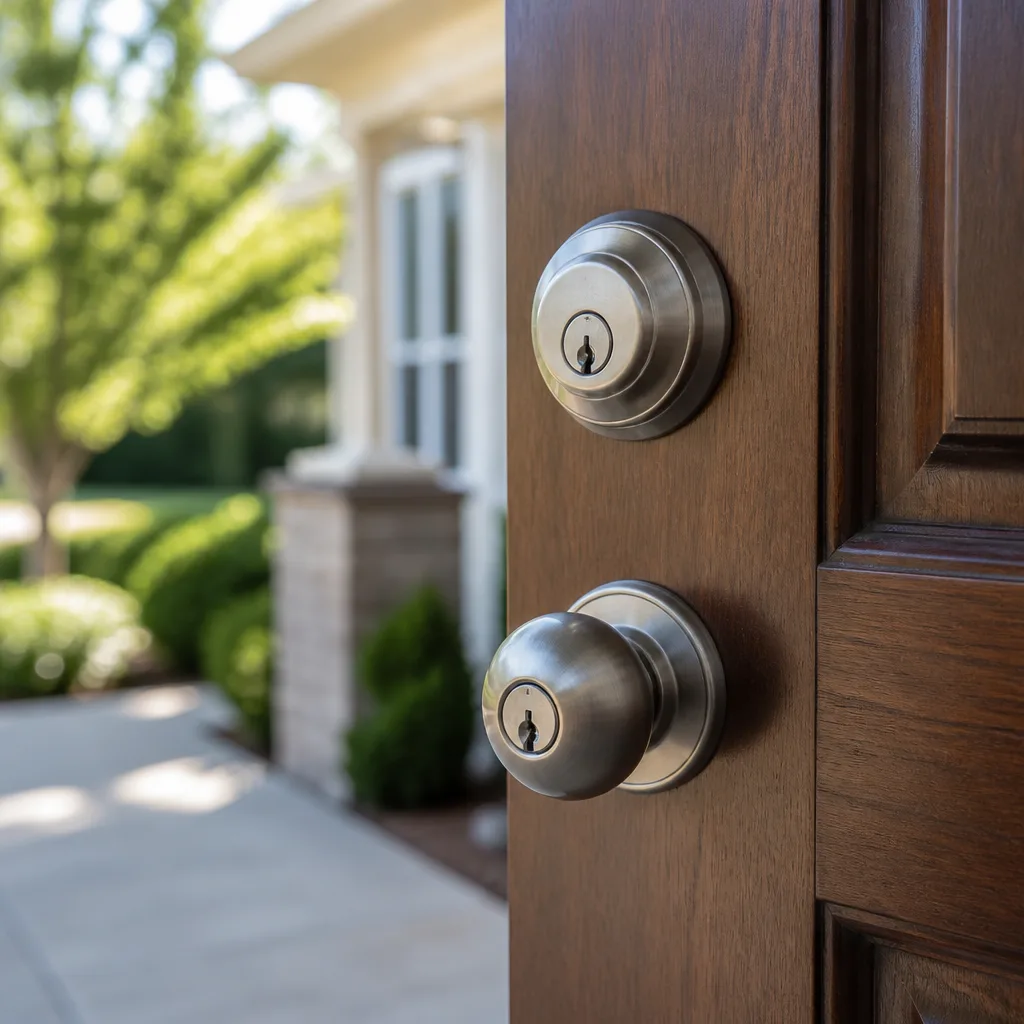 Deadbolt upgrades
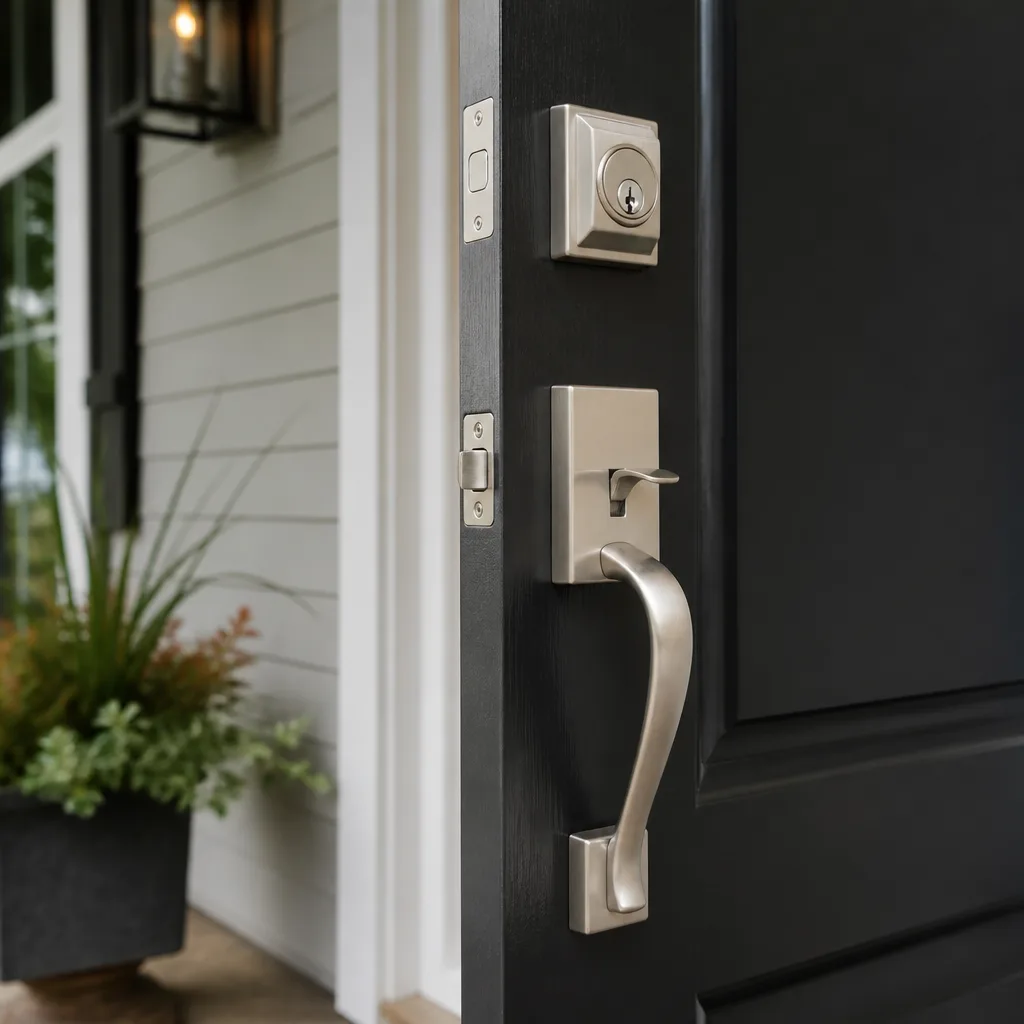 Schlage
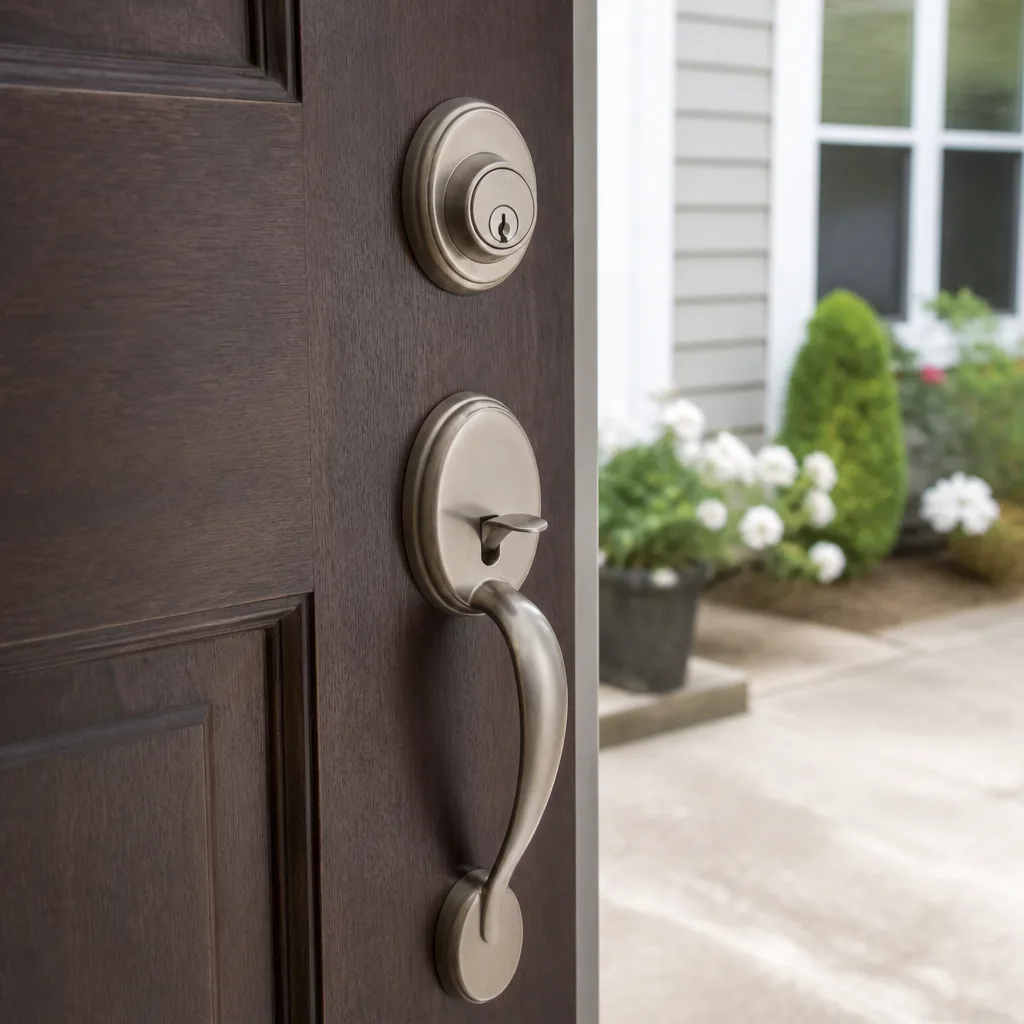 Kwikset
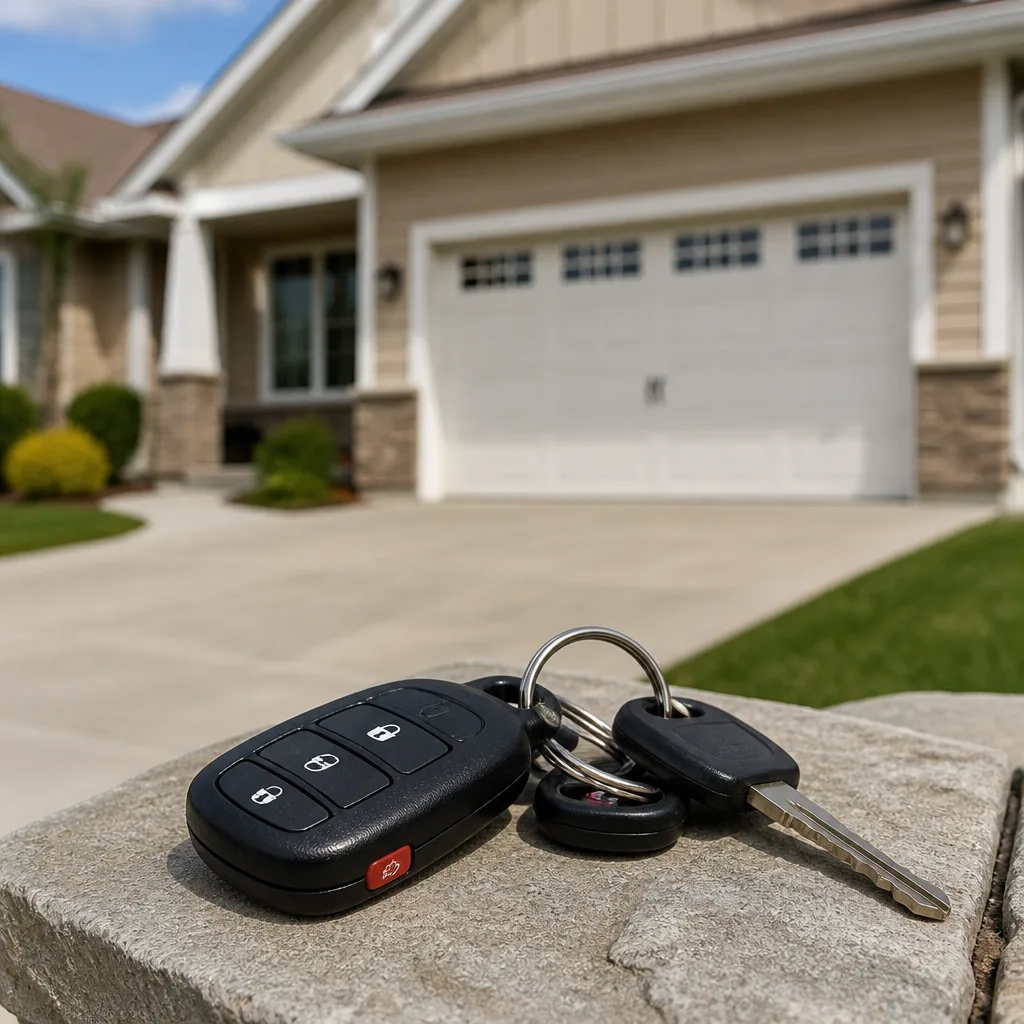 Car keys & fobs
Non-destructive entry first, always - and we re-key Schlage, Kwikset, and Baldwin locks on the spot while you watch
You get a price before we start. It does not change when we arrive. No surprises.
Get your free estimateLocksmith Cost Breakdown: The Oakland Homeowner’s Reference for 2026
Here’s something most Oakland homeowners don’t realize until it’s 11 p.m. and they’re standing on the porch in the fog: a $300 locksmith bill can be completely reasonable or a significant overcharge for what looks like the same job. The difference lives in parts grade, service tier, and whether you called a local technician or a national dispatch center that’s routing your call to whoever answers. This guide walks through the actual line-item economics of locksmith pricing in Oakland so you can read a quote the way a professional does, and know exactly what you’re paying for before you commit. For Locksmith Warning Signs: A Oakland Homeowner’s Reference Guide, see our companion piece.
Styles & brands we work with
Quick Answer
Locksmith pricing in Oakland typically ranges from $75 to $180 for a standard home lockout, $60 to $120 to rekey each lock cylinder, $40 to $85 per deadbolt for installation labor (plus the hardware itself), and $150 to $350 for transponder car key replacement and programming. After-hours emergency service legitimately adds 50% to 100% to labor rates, and high-security hardware like Medeco or Mul-T-Lock adds both a parts premium and a specialist labor premium. Every legitimate quote should break down into service call, labor, and parts: if a quote doesn’t separate those three line items, ask why.
Table of Contents
- What Typical Locksmith Jobs Cost in Oakland: 2026 Price Ranges
- The Three Cost Multipliers That Are Legitimate (and the One That Isn’t)
- How to Read a Locksmith Quote Line by Line
- Parts Cost Transparency: What Hardware Actually Costs
- When the Cheapest Quote Is a False Economy
- Rekey vs. Replace: The Cost-Smart Security Upgrade
- Car Key Costs: Why the Dealership Isn’t Your Only Option
- Common Mistakes to Avoid
- When to Call a Professional
- Frequently Asked Questions
- The Bottom Line
What Typical Locksmith Jobs Cost in Oakland: 2026 Price Ranges
Oakland’s locksmith market sits in a unique position. We’re close enough to San Francisco that some companies try to charge San Francisco rates, but we have a dense enough service ecosystem that competitive pressure keeps honest operators honest. What you’ll actually pay depends on the job category, and within each category there’s a legitimate range driven by hardware choice, access difficulty, and timing. These are the ranges we see consistently across the East Bay.
| Job Type | Typical 2026 Oakland Range | What Moves the Price |
|---|---|---|
| Standard home lockout (non-destructive) | $75 – $180 | Time of day, lock type, cylinder complexity |
| Rekey per cylinder | $18 – $35 labor + $12 – $25 per cylinder service | Lock brand, total cylinder count |
| Deadbolt installation (labor only) | $40 – $85 per lock | Door prep requirements, Grade 1 vs. Grade 2 |
| Deadbolt hardware (Grade 2, e.g. Schlage B60N) | $35 – $55 retail | Finish, smart-lock features, brand |
| Deadbolt hardware (Grade 1, commercial) | $90 – $180 retail | Brand, cylinder type, keyway restrictions |
| Transponder car key cut + programmed | $150 – $350 | Vehicle make, key blank, programming method |
| High-security lock install (Medeco, Mul-T-Lock, Abloy) | $180 – $400+ per lock | Cylinder cost, restricted keyway, installer certification |
| Emergency after-hours surcharge | 50% – 100% over standard labor | Hour of night, travel distance, urgency |
Those numbers come from the work we see and perform in Oakland, not from a national pricing database. Neighborhood matters less than you might think: a lockout in Rockridge and a lockout in Fruitvale are the same job from a technical standpoint, though travel adjustments can shift the service call by $10 to $25 depending on where a technician is coming from at that hour. The real variable is the condition and age of the lock you already have. Older Kwikset cylinders from the 1980s are simple to bypass; some Baldwin mortise locks take considerably more patience and skill, and that’s reflected in labor time.
One point about Oakland specifically: a meaningful number of homes here still have original pre-earthquake hardware, and many of those mortise locks are no longer manufactured with direct replacements available. Rekeying or servicing those is perfectly doable, but it’s a different labor category than swapping a modern cylindrical deadbolt, and the price should reflect that. If a technician quotes a flat rate without asking what kind of lock you actually have, that’s a flag worth noting.
The Three Cost Multipliers That Are Legitimate (and the One That Isn’t)
When a locksmith quote comes in higher than you expected, the instinct is to assume you’re being taken advantage of. Sometimes you are. But more often than not, one of three legitimate multipliers is at play, and understanding them is the difference between paying more for good reasons and paying more for no reasons. Our Locksmith Emergency Preparedness Guide for Oakland Homes covers how to plan ahead and avoid surprise costs.
Multiplier 1: After-Hours Emergency Premium
Calling a locksmith at 2 a.m. in Oakland costs more than calling at 2 p.m. That’s not price gouging; that’s the economics of keeping a technician awake, equipped, and mobile when the rest of the city is asleep. A service call that runs $29 during normal hours might run $65 to $90 on a Saturday night. The key test: the premium should be disclosed on the phone before anyone is dispatched. If you hear a price that changes upon arrival, you’re dealing with a bait-pricing operation, not an emergency premium. Our Emergency Locksmith in Oakland service quotes the full price on the phone, including the after-hours multiplier, and that’s the number you pay.
Multiplier 2: High-Security Hardware Markup
Medeco, Mul-T-Lock, and Abloy cylinders cost more because the engineering is genuinely different. These aren’t cosmetic upgrades; they’re restricted-keyway systems with tighter tolerances, hardened components, and controlled key duplication. A Medeco cylinder alone can run $70 to $130 before installation, versus $15 to $30 for a standard Kwikset cylinder. On top of the parts premium, installation requires training and tooling most generalist locksmiths simply don’t have. When you pay a premium for this work, you’re paying for the mechanical sophistication of the lock and the specialized skill of the person installing it.
Multiplier 3: First-Visit Diagnostic on Complex Systems
If you manage a six-unit apartment building in the Dimond District or run a small office near Jack London Square, you may have a master key system. When something goes wrong with a master system, a competent locksmith has to diagnose the hierarchy before making any changes: which cylinders are on which master level, whether a change key is crossing levels, whether the problem is wear on a specific pin stack or a failing cylinder. That diagnostic time is real labor and should be billed as such. Cheap locksmiths skip the diagnosis, replace one cylinder, and leave you with a system that’s now internally inconsistent. You’ll pay more for someone who actually maps the system first, and it’s worth it.
The Multiplier That Isn’t: The National Dispatch Model
Here’s the one to watch out for: a Google search for “locksmith Oakland” surfaces national call centers that route to whoever is available, not to a local Oakland shop with a local reputation. These operations quote you a low service call, then pad labor aggressively on arrival. The technician who shows up might be competent or might not be, but the business model is built on one-time transactions with no local accountability. We hear about this regularly from Oakland customers who got burned before finding us. A local operation has a physical presence, an Oakland business history, and review accountability that the dispatch model can’t replicate.
How to Read a Locksmith Quote Line by Line
A legitimate locksmith quote in 2026 has three structural components: service call, labor, and parts. If your quote doesn’t break down this way, or if one category is suspiciously vague, that’s where the padding hides. Here’s what each line should actually include.
Service Call
The service call is the fee for dispatching a technician to your Oakland location. It covers vehicle cost, travel time, and the basic overhead of showing up prepared. In Oakland, a standard daytime service call runs $29 to $59, and an after-hours one runs $65 to $90. What it should not include: a surprise “dispatch fee” added on arrival, a “fuel surcharge” for Oakland city driving, or any other line item invented at the door. The service call should be disclosed on the phone and should be the same on the invoice. Cypress Lock & Key is the local operation behind this guide: we quote the full price on the phone, and there’s no call-out surcharge that appears when a technician arrives at your Oakland address. For Locksmith Permits, Codes & Inspections in CA: What You Need to Know, see our regulatory overview.
Labor
Labor is the actual work: rekeying a cylinder, installing a deadbolt, cutting and programming a transponder key. Standard labor rates in Oakland run $75 to $120 per hour, and most jobs bill in 15- or 30-minute minimums. When you read a labor line, ask what’s included. A rekey labor charge of $60 should mean: removing the cylinder, replacing the pins, cutting new keys, testing the cylinder, and reinstalling it. If a quote lists labor but then adds separate lines for “key cutting” or “cylinder removal,” that’s padding. Legitimate shops fold those into the labor line.
Parts
Parts should be itemized at the actual retail cost of the hardware, not marked up 200%. A Kwikset or Schlage deadbolt that retails for $40 should appear on your invoice at $40 to $55, not $120. The markup on parts is where national dispatch operations make their margin. When you see a parts line that’s double or triple retail, ask for the model number and compare. A local Oakland shop that does volume business buys hardware at wholesale and should pass at least some of that along. We stock Schlage, Kwikset, Baldwin, and Yale cylinders regularly, and for high-security work we keep Medeco and Mul-T-Lock keyways on hand, which means our parts pricing reflects stock we own, not a trip to the hardware store billed to you.
Parts Cost Transparency: What Hardware Actually Costs
Let’s get concrete about parts, because this is where Oakland homeowners lose the most money. Hardware Grade matters more than brand name recognition, and knowing the difference between Grade 2 and Grade 1 is the single most useful piece of knowledge you can take from this guide.
Take the Schlage B60N, which is the most common residential deadbolt in Oakland and the one most often recommended as a solid baseline. Its wholesale cost to a locksmith buying in volume is around $25 to $30. Its retail cost at a hardware store is $35 to $55, and a fair installation quote should show the hardware at or near retail, plus the labor line separately. If you see a B60N on an invoice at $110, you’re not paying for hardware: you’re paying for undeclared margin.
Now compare to a Grade 1 deadbolt, which is what commercial properties and high-security residential applications actually need. Grade 1 hardware from Sargent or Baldwin runs $90 to $180 per lock, and in some Oakland buildings, particularly mixed-use properties with high-traffic entries, Grade 1 is not an upgrade: it’s the correct specification. The difference between Grade 2 and Grade 1 is not aesthetic; it’s the cycle rating (how many open-and-close operations the lock survives), the strength of the strike plate, and the resistance to forced entry. A Grade 1 deadbolt is tested to withstand substantially more physical attack than a Grade 2, and the cost difference reflects that engineering.
Here’s what the parts math looks like in plain form:
- Grade 2 residential deadbolt (Kwikset, Schlage B-series): $25 – $55 retail. Appropriate for most single-family Oakland homes and rental units with standard security needs.
- Premium residential deadbolt (Baldwin, Yale): $45 – $120 retail. Better finishes, heavier internals, longer cycle life. A worthwhile step up if you’re replacing builder-grade hardware you’ve had since 1995.
- Grade 1 commercial deadbolt (Sargent, commercial Schlage): $90 – $180 retail. Required for many commercial leases and insurance policies in Oakland; also the right choice for any entry door facing high foot traffic.
- High-security cylinder systems (Medeco, Mul-T-Lock, Abloy): $70 – $130 per cylinder, plus installation. Restricted keyways, controlled duplication, pick resistance. The parts premium is meaningful and the labor premium follows.
One Oakland-specific note: the combination of older housing stock and a competitive rental market means we see a lot of properties where the front door is Grade 2 and the back door is whatever was on sale in 1994. In our experience, that mismatch matters. A property is only as secure as its least-resilient entry point, and the cost of upgrading one door to match the other is usually modest relative to the total job.
When the Cheapest Quote Is a False Economy
Here’s a scenario we see often enough that it’s worth writing down. An Oakland homeowner gets three quotes: $95, $180, and $250 for what appears to be the same deadbolt installation. The $95 quote is tempting. Here’s what often happens next.
The $95 technician installs a Grade 2 lock where a Grade 1 was warranted, doesn’t reinforce the strike plate, and schedules the job with a one-line invoice. Six months later the lock fails, or a break-in attempt succeeds where a Grade 1 would have held. The insurance company asks a pointed question: was the entry hardware appropriate for the property’s security profile? When the answer is no, the claim gets complicated.
Oakland’s home insurance landscape has shifted meaningfully since 2020. Carriers are scrutinizing security claims more closely, and some policies in certain ZIP codes now include specific hardware expectations for entry doors. If your policy language references Grade 1 hardware, ANSI standards, or “commercial-grade deadbolts,” installing Grade 2 is not a savings: it’s a coverage gap. We’re not insurance advisors, and we won’t pretend to be. But we will tell you that the difference between a $95 quote and a $250 quote often represents the difference between hardware that satisfies a policy and hardware that doesn’t.
The cheap quote has another hidden cost: when the job is done poorly, you pay twice. You pay the first technician, and then you pay a second technician to fix what the first one did. We’ve walked into Oakland homes where a previous locksmith drilled out a cylinder that should have been picked, or installed a deadbolt that doesn’t fully engage the strike plate. The repair costs more than the original installation, and the homeowner paid for both.
Rekey vs. Replace: The Cost-Smart Security Upgrade
If you’ve moved into a new place in Oakland, changed roommates, or ended a relationship where someone else had keys, you have a decision: rekey or replace. They’re not the same thing, and the cost difference is substantial.
Rekeying means changing the internal pins of the existing lock so the old keys no longer work, and cutting new keys for the new pin configuration. The lock hardware stays in place. In Oakland, rekeying typically runs $18 to $35 per cylinder in labor, plus a service call, regardless of whether the lock is a basic Kwikset or a commercial Schlage. Replace means removing the entire lock and installing new hardware, which adds the parts cost on top of the labor. For most security updates, rekeying is the economically intelligent choice: you get the same security outcome (old keys stopped working) at a fraction of the price.
The rekey decision becomes more involved when you’re dealing with high-security systems. If you have Medeco or Mul-T-Lock cylinders, rekeying is more specialized, and not every locksmith offers it. In our Oakland shop, Rekey Locks in Oakland covers the full range, from standard residential cylinders to restricted keyways. For landlords and property managers in Oakland, rekeying between tenants is not optional, and doing it efficiently is part of the business model. With multiple units, the per-cylinder cost typically drops as volume increases, because the technician can work through a building systematically rather than one door at a time.
Here’s the step-by-step of a professional rekey, so you know what you’re paying for:
- Assessment: The technician identifies each lock’s brand, cylinder type, and current key configuration.
- Disassembly: The cylinder is removed from the lock body, exposing the pin chambers.
- Re-pinning: New pins are installed to match a new key code, rendering all previous keys unusable.
- Key cutting: New keys are cut for the new pin configuration, tested in every cylinder.
- Reassembly and test: The cylinder goes back into the lock, and the technician verifies operation from both sides of the door.
- Key delivery: You receive the new keys, and the old keys are now inert.
What this means for your budget: a three-lock home rekey in Oakland might run $120 to $180 total, service call included. Replacing the same three locks with mid-grade hardware might run $450 to $600. For the same security outcome, rekeying wins on cost every time.
Car Key Costs: Why the Dealership Isn’t Your Only Option
Oakland is a car city, which means Oakland residents lose, break, and wear out car keys at a steady rate. When that happens, the default reflex is to call the dealership, and we understand why. But the economics of dealership key replacement have changed, and not in the consumer’s favor.
A transponder key for a 2018 Honda Civic at a dealership typically runs $250 to $400, and the process might take several days if the key needs to be ordered and the car towed or brought in. A local locksmith with automotive capability can often cut and program the same key for $150 to $300, and can usually come to the vehicle wherever it’s parked in Oakland. The key blank itself costs $40 to $80 for most modern vehicles, and the programming requires diagnostic equipment that links to the vehicle’s immobilizer system.
Our Car Key Replacement in Oakland service handles transponder keys, remote fobs, and standard mechanical keys for most major makes. We carry key blanks and programming equipment in the service vehicle, which means the job happens at your location rather than in a dealership service bay. For Oakland drivers who can’t afford to lose a day of work waiting on a dealership, that distinction matters.
The price variables in car key work are the vehicle’s year and immobilizer architecture, the key blank type, and whether the original key is completely lost or just worn out. If you have one working key, programming a second is straightforward. If you’ve lost all keys, the process requires more involved programming, and the price reflects it. Either way, you should get a firm phone quote before anyone is dispatched, and you should know what that quote covers.
Common Mistakes to Avoid
- Accepting a phone quote without a range: “We’ll let you know when we get there” is not a quote; it’s an open invitation to charge whatever the technician decides. Always get a firm phone price or a narrow range before dispatch.
- Not asking whether the technician is local to Oakland: National dispatch centers route to whoever is available, which often means someone crossing the Bay Bridge and adding travel inefficiency. Ask if the company has a physical Oakland presence.
- Paying for hardware you don’t need: If someone shows up to rekey a standard Kwikset and pushes you to replace everything with premium hardware, be skeptical. Rekeying achieves the same security outcome for far less.
- Buying the cheapest quote on a security upgrade: As covered above, Grade 2 hardware where Grade 1 is warranted can create an insurance gap. In Oakland’s current home policy environment, that’s a real financial risk.
- Not checking compatibility before a car key job: Some older Oakland vehicles (pre-2005) use mechanical keys with no programming; charging for “programming” on a mechanical key is billing for work that doesn’t exist. Ask what type of key your vehicle actually uses.
- Ignoring the rekey option entirely: Many Oakland renters and new homeowners assume security requires full hardware replacement. In most cases, rekeying is the smarter spend and delivers the same access control outcome.
- Not getting a second opinion on a “drill it out” diagnosis: Some locks can be picked non-destructively by a skilled technician even when others say drilling is required. If a technician immediately reaches for the drill on a standard residential lock, consider calling someone else before committing.
When to Call a Professional
Some jobs are genuinely safe to attempt yourself, and this guide isn’t here to convince you otherwise. But locksmithing has real safety boundaries. Any work involving high-tension door springs, door closer mechanisms with stored kinetic energy, or commercial panic-bar hardware should be left to someone with training and the right tools. The same goes for high-security systems: if you have Medeco, Mul-T-Lock, or Abloy cylinders, the tolerances are precise enough that do-it-yourself work can damage a $130 cylinder and turn a $40 rekey into a $200 replacement. And if you’re locked out at night in Oakland, the DIY calculation is simple: the cost of a professional is less than the cost of a broken window, a damaged door frame, or a night spent waiting on a friend with a spare key. Browse more guides & resources on our blog for additional home security tips. Cypress Lock & Key offers free estimates in Oakland: call (877) 265-4385 and we’ll quote the full price on the phone before anyone is dispatched.
Frequently Asked Questions
Expect $75 to $180 for a standard lockout, $60 to $120 to rekey a lock, $40 to $85 per deadbolt in installation labor plus hardware, and $150 to $350 for a transponder car key. The final number depends on hardware choice, timing, and whether the lock is standard residential or high-security. Call (877) 265-4385 for an exact quote: estimates are free, and the price quoted on the phone is the price on the invoice.
It should be. A legitimate Oakland locksmith quotes the full price, including service call, labor, and parts, before dispatch. If a company changes the number upon arrival, that’s not normal: that’s bait pricing. We quote the full price on the phone, and there’s no call-out surcharge added when a technician arrives.
Response time depends on current call volume and where the nearest technician is at the moment you call, not on a fixed promise. A local Oakland shop with multiple technicians in the city will typically reach you much faster than a national dispatch operation routing from elsewhere in the Bay Area. Call (877) 265-4385 and we’ll tell you a realistic arrival window based on where our nearest technician is right now.
In most cases, rekey. Rekeying changes the internal pins so old keys stop working, and it costs a fraction of full hardware replacement. The exception is if the existing locks are Grade 2 or worse and you want to upgrade to Grade 1, modern hardware with better forced-entry resistance, or a high-security system. When in doubt, have the locks assessed and get a rekey quote alongside a replacement quote.
Because the engineering, the keyway control, and the installer training are all meaningfully different. These are restricted systems with controlled key duplication, tighter manufacturing tolerances, and pick resistance that standard residential cylinders don’t offer. The parts cost more to buy, and fewer locksmiths are qualified to install them correctly. For Oakland property managers and owners who want restricted key control, the premium is a feature, not a markup.
California requires locksmiths to be licensed through the Bureau of Security and Investigative Services, and any legitimate operation should be able to provide that license number on request. We’re a state-licensed Oakland shop, and we’re happy to provide verification. Beyond licensing, the strongest signal is local business history: sustained reviews from Oakland customers over time, not a new listing with no local footprint. See our Cypress Lock & Key home page for more on who we are and how we work.
The Bottom Line
Locksmith pricing in Oakland is variable for legitimate reasons, and the homeowner who understands the cost structure ahead of time is the one who can distinguish a fair quote from a padded one. The three multipliers that matter are after-hours emergency service, high-security hardware, and the diagnostic work on complex master-key systems, and all three should be disclosed transparently on the phone. Parts should be priced at or near retail, labor should be itemized, and the price quoted before dispatch should be the price you pay. And when you’re weighing the cheapest option, remember that the real cost of a lock is not what you pay on installation day: it’s what the lock does for you in the years after. For an honest, itemized quote from a local Oakland shop, call Cypress Lock & Key at (877) 265-4385: estimates are free, and the number we quote is the number you’ll pay.
Written by the team at Cypress Lock & Key, serving Oakland since 2017.