Last updated October 30, 2026
 Smart locks
 House lockouts
 Re-keying
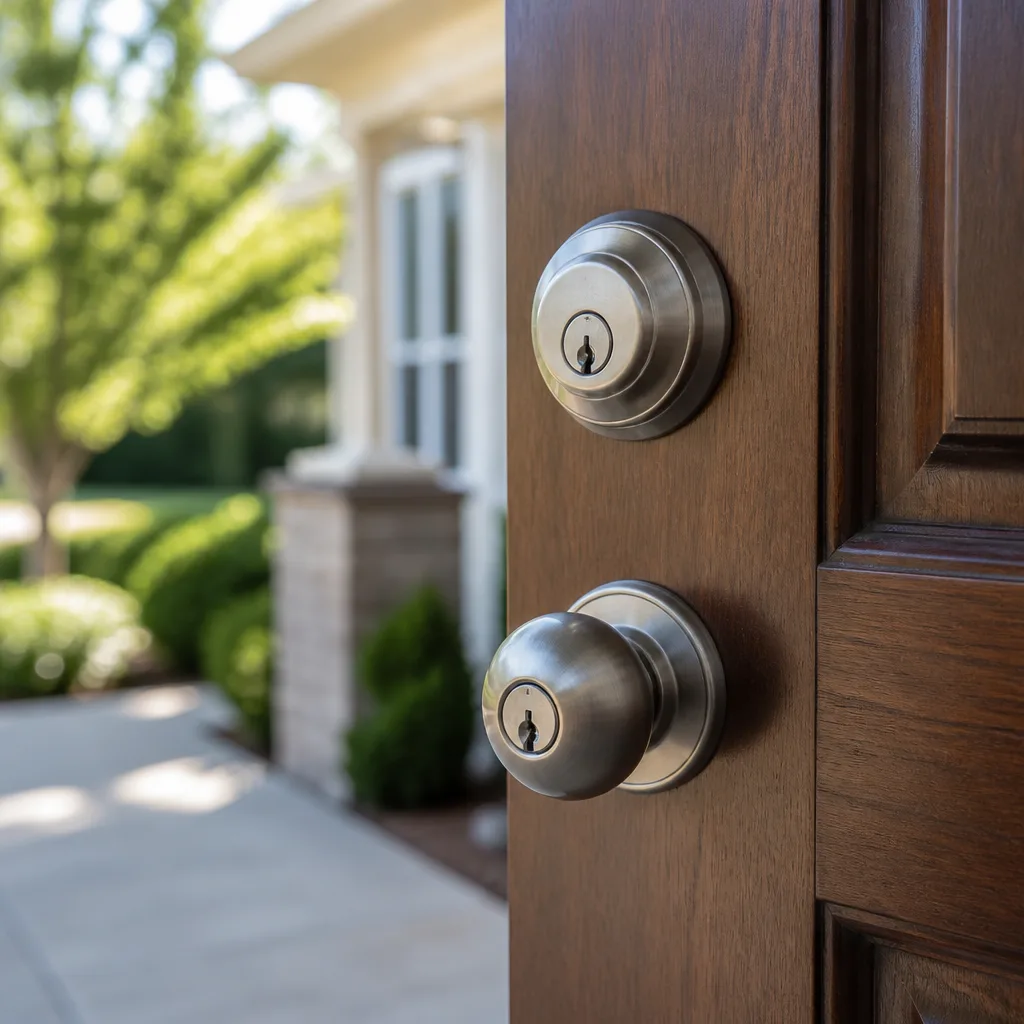 Deadbolt upgrades
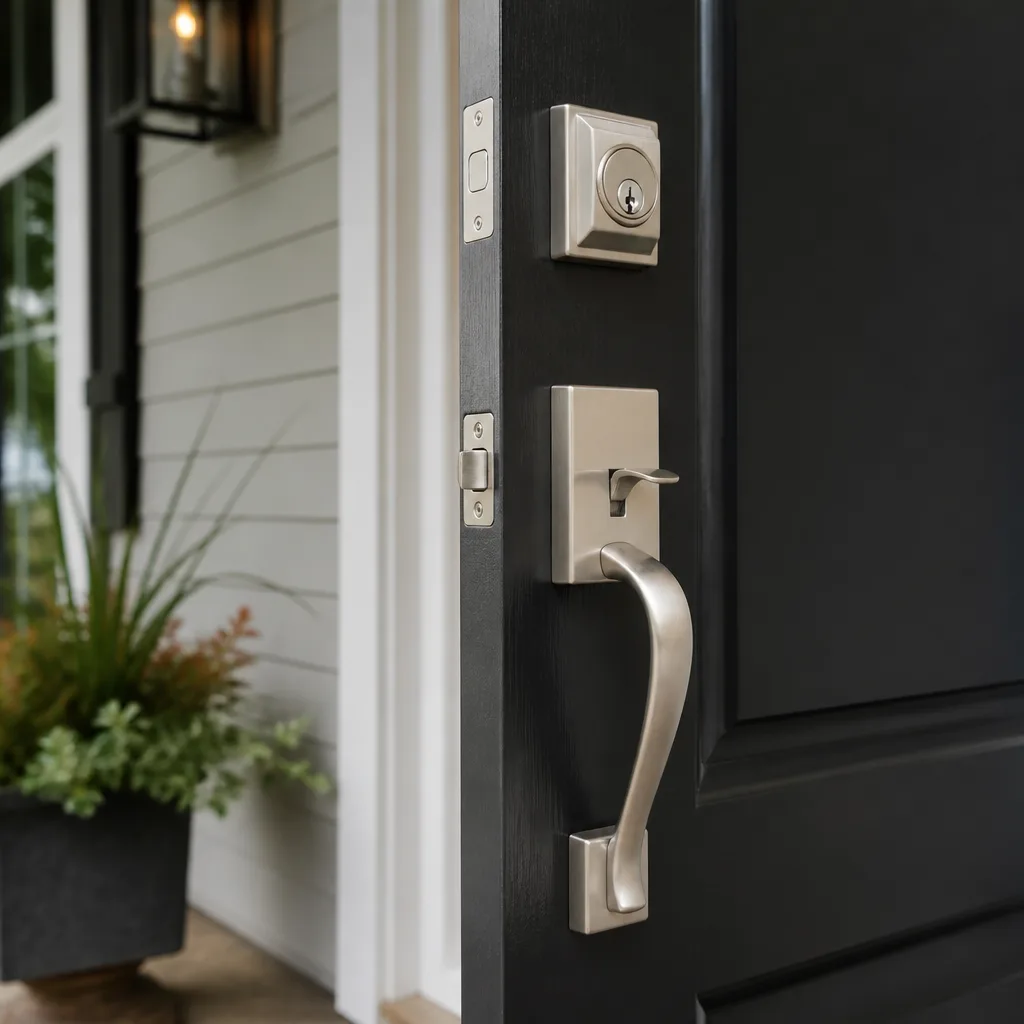 Schlage
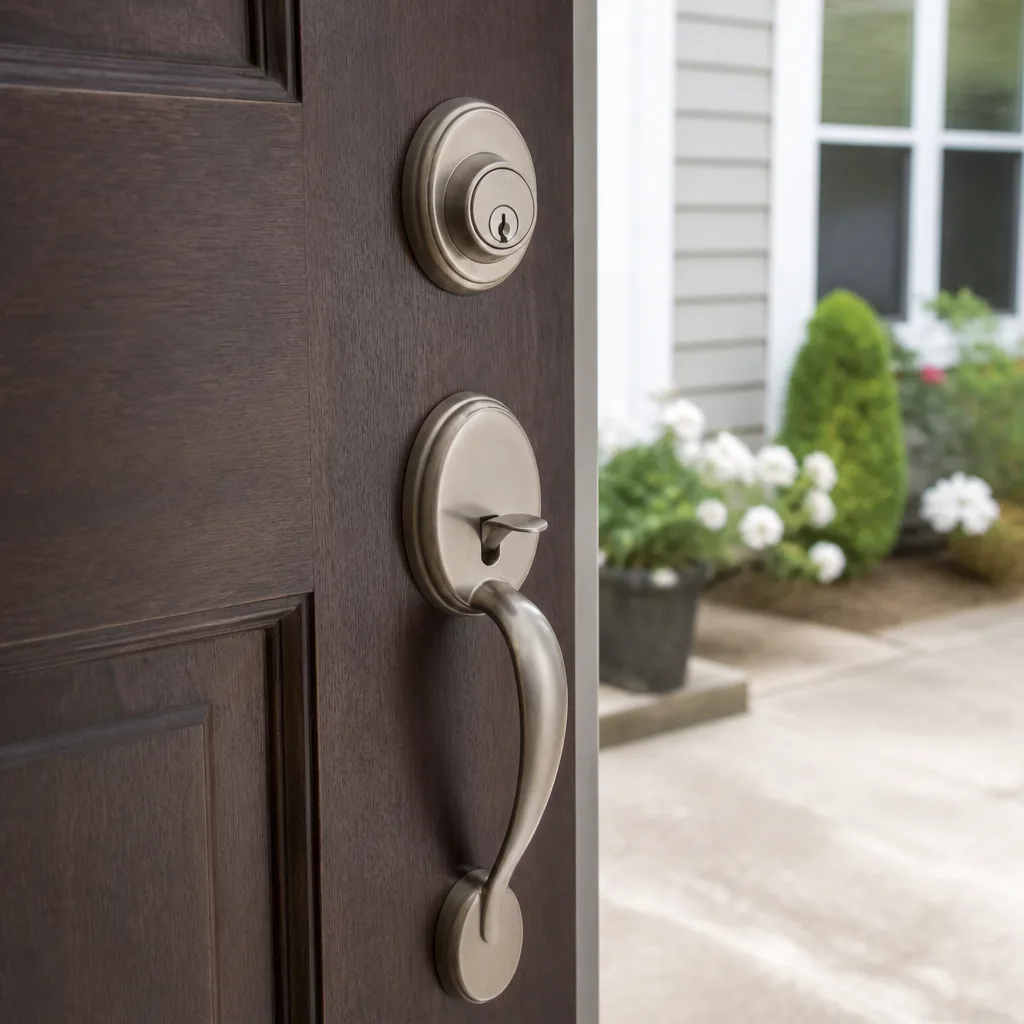 Kwikset
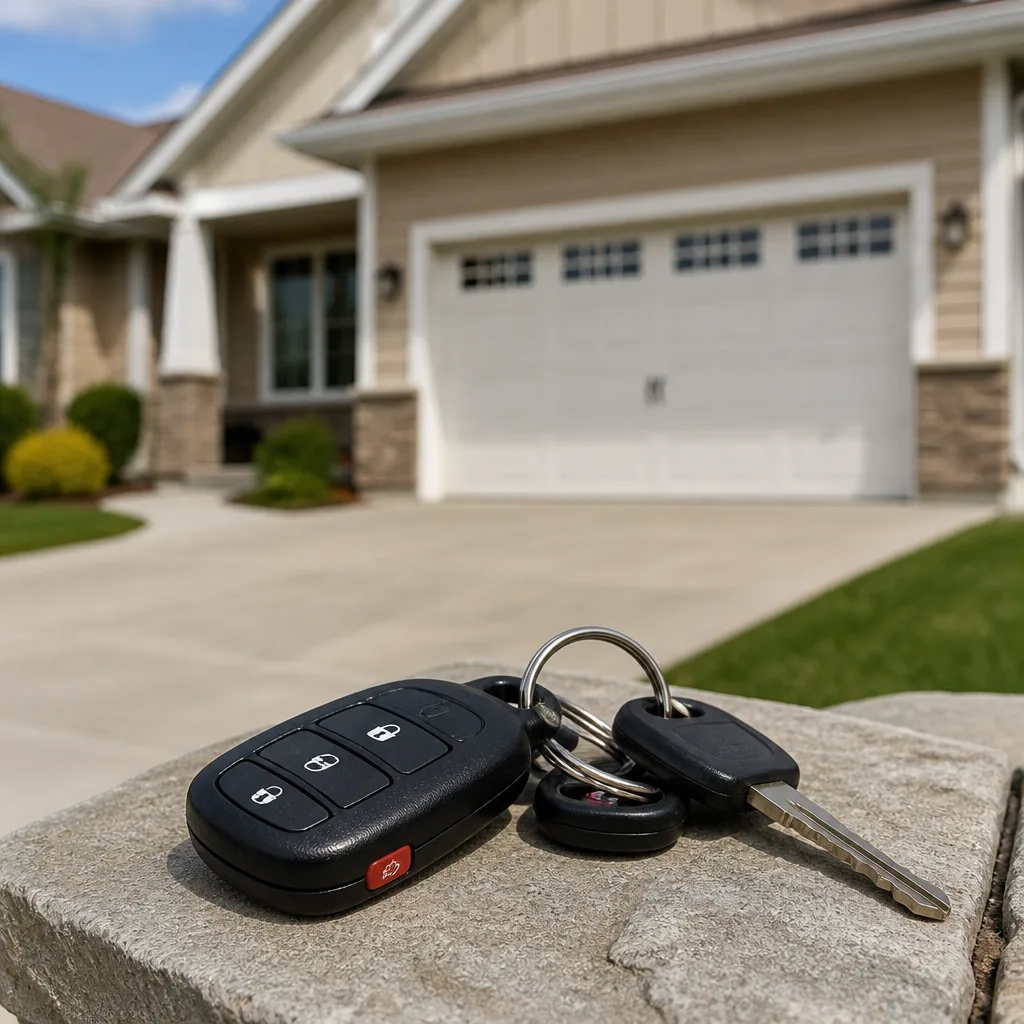 Car keys & fobs
Non-destructive entry first, always - and we re-key Schlage, Kwikset, and Baldwin locks on the spot while you watch
You get a price before we start. It does not change when we arrive. No surprises.
Get your free estimateHow to Hire a Locksmith Contractor in Oakland: A Step-by-Step Guide
The most common locksmith hiring mistake in Oakland isn’t hiring an unlicensed tech. It’s hiring a licensed one who specializes in the wrong category of work for your job. A technician who spent ten years cutting automotive transponder keys may be perfectly licensed but ill-equipped to install a Medeco deadbolt on a commercial storefront. By the time the mismatch becomes obvious, the lock is already mounted, the invoice is written, and the customer is paying to have the work redone. This guide walks through how to classify your job correctly, verify credentials, ask the right questions, and match your needs to the right locksmith in Oakland before money changes hands.
Styles & brands we work with
Quick Answer
To hire a locksmith contractor in Oakland, first classify your job using four questions: Is it an emergency or scheduled? Is it residential, commercial, or automotive? Is it standard or high-security hardware? Is it repair, replacement, or rekeying? Then verify the locksmith’s California BSIS license online, confirm they stock parts for your specific lock brand, request a written itemized estimate, and agree on labor-versus-parts warranty terms before dispatch. A properly matched locksmith saves hundreds over hiring a generalist for specialty work.
Table of Contents
- Step 1: Classify Your Job Before You Call
- Step 2: Verify the California BSIS License
- Step 3: Ask About Brand Coverage, Not Just “Service”
- Step 4: Read Quotes Like a Forensic Accountant
- Step 5: Structure the Warranty Conversation
- What Locksmith Work Costs in Oakland
- Emergency vs. Scheduled: How to Choose
- Common Mistakes to Avoid
- When to Call a Professional
- Frequently Asked Questions
- The Bottom Line
Step 1: Classify Your Job Before You Call
Most hiring failures happen before the phone rings. The locksmith industry has quietly split into specialty tiers over the last two decades, but the customer-facing language hasn’t caught up. A generic directory listing for “locksmith Oakland” tells you nothing about whether the technician carries automotive programming equipment, commercial mortise cylinders, or only residential Kwikset pinning kits.
Run this four-question diagnostic before you call anyone. It takes two minutes and prevents the wrong-tier mismatch:
- Is this urgent or can it wait? Locked out at midnight, broken key in the ignition, or a door that won’t lock after a break-in: urgent. Rekeying after a tenant moves out, upgrading to a Medeco deadbolt, or installing new door hardware: scheduleable.
- What category is the property? Single-family home or apartment? Commercial storefront, office suite, or multi-unit building? Vehicle? Each category uses different lock types and requires different equipment.
- What hardware tier are you working with? Standard residential (Schlage, Kwikset), premium residential (Baldwin, Yale), or high-security and commercial (Medeco, Mul-T-Lock, Abloy, Sargent)? High-security locks use restricted keyways and patent-protected key blanks that a residential-only tech cannot duplicate.
- What’s the actual service? Repair, replacement, rekeying, or new installation? Rekeying reuses your existing hardware and changes the internal pins. Replacement removes and discards the current lock. Installation means new hardware on a new door or opening.
Here’s where Oakland specifically complicates things. The city’s housing stock ranges from 1920s Craftsman bungalows in Rockridge and Temescal to 1990s condos near Jack London Square to pre-war apartment buildings in Adams Point. Each era used different door prep dimensions and lock formats. A 1927 bungalow door often has a 1-1/2 inch cross-bore that won’t fit a modern deadbolt without modification, while a 2015 condo uses standard 2-1/8 inch prep. We’ve rekeyed both in the same week. The technician needs to know which one they’re dealing with before they arrive, not when they’re standing in your doorway with a drill.
Write down your answers to these four questions before you call. If the person on the phone doesn’t ask about any of them, treat that as a mild red flag. A competent Oakland locksmith will want to know the age of the building, the brand on the face of the lock, and whether you’ve had work done on that door before.
Step 2: Verify the California BSIS License
California is one of fifteen states that requires locksmiths to hold a state-issued license. The Bureau of Security and Investigative Services (BSIS) under the California Department of Consumer Affairs issues locksmith company licenses and employee registrations. It’s the cleanest public record of who is legally allowed to perform locksmith work in Oakland.
A valid California locksmith company license number follows this format: LCO followed by five digits. Individual locksmith employees carry a separate registration, typically a smaller card with their own number. Here’s how to run the verification:
- Go to the BSIS license lookup portal at the California Department of Consumer Affairs website
- Select “Locksmith Company” as the license type
- Enter the company name or license number
- Confirm the license status reads “Current” or “Active,” not “Expired,” “Suspended,” or “Revoked”
- Confirm the company name on the record matches the name on the invoice or estimate
Here’s what most guides skip: running the license check is necessary but not sufficient. A license confirms legal standing, not technical competency for your specific job. The BSIS exam covers state law, lock picking recognition, and basic key duplication. It does not test whether someone can program a 2023 Honda transponder key or install a Sargent mortise lock on a commercial steel door. That’s why Step 1 (classification) matters as much as Step 2 (verification).
One more Oakland-specific note: the BSIS database sometimes lists old addresses for companies that have moved. If the license shows a Sacramento or Los Angeles address but the company markets heavily in Oakland, that’s not automatically a problem, but it’s worth asking where their technicians stage from. An Oakland resident calling a locksmith that only dispatches from Sacramento is not getting a 30-minute response.
Step 3: Ask About Brand Coverage, Not Just “Service”
The single most useful question to ask any Oakland locksmith is this: “Which lock brands do your technicians actually stock parts for?”
Notice the word “stock.” It’s not the same as “service.” Plenty of techs will say they can “work on” Baldwin or Schlage hardware, then show up with a generic pinning kit and discover your Baldwin Prestige uses an entirely different tailpiece design than what’s on the van. Now you’re paying for a return trip or accepting a bodge job that strips out in nine months.
Here’s why this matters in practice. The residential locksmith market in Oakland is overwhelmingly dominated by two brands: Kwikset and Schlage. They’re the builder default, they’re sold at every hardware store, and their pins, springs, and cylinders are universal enough that a tech can service twenty doors a day with one kit. That’s fine if you have Kwikset or Schlage hardware.
But Oakland has a significant premium housing stock. Homes in Montclair, Piedmont, and the Oakland Hills often have Baldwin door hardware, which uses a different mortise geometry. Yale’s premium residential line has its own cylinder format. If you own a small commercial property near Broadway or Telegraph, you may have Sargent or Arrow mortise locks on those doors. And if you’ve upgraded or are considering upgrading to high-security hardware, Medeco and Mul-T-Lock require factory-controlled key blanks and dealer-level training to cut and program.
We stock parts for eight brands across the spectrum: Kwikset and Schlage on the entry residential side, Baldwin and Yale for premium residential, and Sargent, Medeco, Mul-T-Lock, and Abloy for high-security and commercial. That’s not a list of brands we’ve heard of. It’s a list of brands we can service from inventory on the day of the appointment.
When you call, ask the question directly: “Do you stock [your brand] parts, or would you need to order them?” A honest answer that includes “order” isn’t automatically disqualifying, but it changes your timeline and your labor estimate. A dishonest answer that brushes past the question should end the call.
Step 4: Read Quotes Like a Forensic Accountant
Here’s the pricing conversation most Oakland homeowners actually have:
They call, describe a “lock problem” vaguely, and hear “service call starts at $49.” They agree, the tech arrives, looks at the door, and produces an invoice for $310. The customer feels ambushed but pays, because the tech is already there and the door is already disassembled. This is not technically fraud. It’s also not a written estimate, which is the only thing that protects you.
When you request a quote for any scheduled (non-emergency) locksmith work, you want a written estimate that itemizes these lines separately:
- Service call or dispatch fee (and whether it’s waived with the repair)
- Labor in minutes or flat fee per task
- Parts with the specific brand and model named
- Hardware prep or modification if your door is non-standard
- Warranty terms in writing, including any exclusions
Red flags in quotes, based on what we’ve seen from Oakland customers who called us after a bad experience:
- “Service call plus parts.” This tells you nothing. What’s the labor rate? How many labor units? What specific parts, at what markup? If there’s no line-item breakdown, you’re agreeing to an open-ended invoice.
- No brand or model named on hardware. “New deadbolt” is not a quote. “Schlage B60N deadbolt, satin nickel” is a quote. The difference is about $80 in parts cost, and the first option means you’re paying premium prices for what’s often a generic import.
- Cannot name the specific cylinder being installed. If a tech can’t tell you whether you’re getting a KW1 (Kwikset) or SC1 (Schlage) keyway, or a standard versus high-security cylinder, they don’t know enough to be taking your lock apart.
- No written estimate for scheduled work. California law requires locksmiths to provide a written estimate before performing work over a certain dollar threshold. If the company refuses to put anything in writing, that’s a violation and a signal.
- Quote-by-the-minute for emergency work. Emergency pricing runs higher for a reason: you’re paying for availability, not just labor. But even emergency invoices should list the emergency surcharge as a separate line, not hide it inside a vague “labor” line.
The full price should be quoted on the phone before anyone is dispatched, and that phone price should match the invoice price. There is no legitimate reason for a “surprise add-on” when you described the job accurately in Step 1. If the tech finds something genuinely different on arrival (hidden door damage, a non-standard prep), the scope change should be a conversation with a new written estimate, not a surprise line item.
Step 5: Structure the Warranty Conversation
Most customers think about warranty after the work is done, which is backwards. The warranty conversation should happen before you agree to the job, because the answer tells you how much the locksmith trusts their own work.
On any locksmith job in Oakland, there are two separate warranties at play:
- Parts warranty: The hardware manufacturer covers defects in materials or workmanship. Schlage and Kwikset typically offer a lifetime mechanical warranty on residential deadbolts. Baldwin offers a lifetime finish and mechanical warranty on most lines. Medeco and other high-security brands carry their own terms, typically one to three years on commercial grade. This warranty follows the hardware, not the installer.
- Labor warranty: The locksmith covers the quality of their installation or repair. If the lock fails because of how it was mounted, adjusted, or pinned, the installer should return and correct it. Reputable Oakland locksmiths typically offer 30 to 90 days on labor, with some extending to one year on rekey work.
A reputable Oakland locksmith will say something like: “The Schlage hardware carries its lifetime mechanical warranty directly from the manufacturer, and our labor is covered for 90 days. If it’s a defect in the part, we’ll help you file the manufacturer claim. If it’s our installation, we return and fix it free.”
A less-reputable shop will say: “We guarantee everything for a year.” That sounds better but means less. A blanket guarantee with no distinction between manufacturer defects and installation errors usually means the guarantee only covers what the manufacturer already covers, and the labor coverage is whatever the tech decides in the moment.
One Oakland-specific wrinkle: salt air and fog. Homes in the flatlands near the Bay and along the 880 corridor see more corrosion on exterior hardware than hillside homes. Finish warranties on Baldwin and other premium brands sometimes exclude coastal environments. If you live within a mile of the Bay, ask specifically whether the finish warranty applies to your microclimate. A good locksmith will know the answer. A generic one will blink.
What Locksmith Work Costs in Oakland
I want to give you real ranges here, because “it depends” is the enemy of a confident hiring decision. For deeper context, see our Locksmith Cost Breakdown: The Oakland Homeowner’s Reference for 2026. These are current market ranges for the Oakland and East Bay area, based on what we see in daily practice and what customers report from competitor quotes:
- Residential rekey (standard Schlage or Kwikset, per cylinder): $15 to $30 per cylinder for labor, plus the service call. Most Oakland homes need two to five cylinders rekeyed. A typical single-family rekey runs $95 to $180 all-in.
- Residential lock change (replacing one deadbolt with new hardware): $85 to $220 depending on hardware grade. A brass Kwikset deadbolt is the bottom of that range. A Baldwin or Yale premium deadbolt is the top.
- High-security cylinder upgrade (Medeco or Mul-T-Lock retrofit on existing hardware): $150 to $400 per cylinder. This is not a lock “replacement” in the hardware-store sense. You’re changing the internal cylinder to a restricted keyway.
- Automotive key replacement (standard transponder key): $180 to $350 in Oakland, depending on make and model year. Proximity fobs and push-to-start keys run higher.
- Emergency lockout service (residential, no damage): $95 to $180 during normal hours, $150 to $300 at night. Oakland’s older door hardware sometimes adds time, but a clean lockout on a standard cylinder should not approach the high end.
- Commercial mortise lock repair (Sargent, Arrow, Corbin Russwin): $180 to $400 depending on whether the cylinder can be repaired or must be replaced.
Two observations about the Oakland market specifically. First, Oakland is not San Francisco. Prices here generally run 15 to 25 percent lower than across the Bay for equivalent work, because the cost of doing business (parking, commercial rent, insurance rates) hasn’t reached SF levels. If you’re being quoted $500 for a standard residential rekey in Oakland, that’s an SF price and you should keep shopping. Second, Oakland’s older housing stock includes a lot of non-standard door prep that adds legitimate labor time. A 1920s door with a hand-mortised lock pocket takes longer to rekey than a 2005 door with a standard bore. That’s a legitimate variable, not a scam, but it should appear as a separate line on your estimate.
Emergency vs. Scheduled: How to Choose
Emergency locksmith pricing follows a simple market logic: you’re paying for someone to be available at an unpredictable hour. That’s the service. The skilled work is identical whether it happens at 2 p.m. or 2 a.m., but the availability is the premium.
This means the decision tree for whether to use emergency service or schedule for later is a cost-benefit question, not an urgency question alone. Here’s the honest breakdown:
- Locked out of your home at night: Emergency. The alternative (hotel, broken window, sleeping in the car) costs more than the after-hours surcharge.
- Broken key stuck in the ignition, car won’t start: Emergency if you need the car before tomorrow morning. If you can take transit or work from home, schedule it and save the dispatch premium.
- Rekey after a tenant moves out: Scheduled. There’s no emergency in a property that’s still secured with an old key, unless you have reason to believe the former tenant is returning tonight.
- Upgrading to high-security hardware: Scheduled. Medeco and Mul-T-Lock work is not something you want done by a technician who’s been running emergency calls since 6 a.m.
- Commercial storefront lock jammed during business hours: Emergency if you’re losing revenue every hour the door can’t be secured. If it’s a side door or back entrance, schedule it.
The Oakland nuance: property crime patterns here tend to cluster around specific corridors and time windows. A door that won’t lock in the Oakland flatlands is a different risk profile than a door that won’t lock in the Oakland Hills. We’re not in the business of fear-based pricing, but we do tell customers plainly: if your door can’t be secured and you’re in a higher-risk neighborhood, fix it tonight. The emergency surcharge is cheaper than a burglary claim. Emergency locksmith response in Oakland should be a confirmed capability, not a voicemail promise.
Common Mistakes to Avoid
- Hiring the first Google result without checking license status. Paid ads dominate the top of locksmith searches in Oakland. A top ad position is a marketing budget, not a competency signal. Run the BSIS check regardless of where you found the company.
- Requesting “a locksmith” instead of a specific service category. This is how you get a residential tech on a commercial job, or vice versa. Use the four-question diagnostic from Step 1 and state the category clearly.
- Accepting a verbal quote with no written estimate. Verbal quotes are worthless in a dispute. If the job is scheduled and over $100, get it in writing before anyone touches your door.
- Choosing by price alone. In Oakland, the bottom 20 percent of locksmith pricing often corresponds to the bottom 20 percent of technical training. The middle of the market is where the competent independents live.
- Buying “high-security” hardware from a shop that can’t name the cylinder. High-security is a specific technical category involving restricted keyways and patent-protected blanks. It is not a marketing synonym for “good lock.” If the tech can’t name the cylinder format, they can’t install high-security.
- Skipping the rekey conversation entirely. A surprising number of Oakland homeowners replace perfectly good hardware when a $25 rekey per cylinder would accomplish the same security goal. Replacement should be the choice when hardware is worn, damaged, or aesthetically mismatched, not the default response to a key change.
- Not asking about car key capability before calling an “automotive locksmith.” Automotive key replacement requires dedicated programming equipment. A locksmith who does houses and happens to offer trunk unlocks is not equipped to cut and program a 2020 Mercedes fob. Oakand has a handful of true automotive key specialists. Separate the real ones from the generalists.
When to Call a Professional
Call a professional locksmith for any task involving door hardware that secures a point of entry, automotive keys beyond standard metal blanks, or any work on high-security cylinders. A jammed deadbolt, a lock that turns but doesn’t engage, a key that broke off in the cylinder: these are not DIY territory unless you already own the tools and know the mechanism. A mis-installed deadbolt on an Oakland door that’s already fit tight in a 100-year-old frame can turn a $100 fix into a $400 frame repair. More importantly, a lock that feels fixed but isn’t properly seated will fail when you actually need it. Cypress Lock & Key offers free estimates in Oakland. Call (877) 265-4385 if you want a straight answer about your specific door, your specific lock, and your specific budget. No dispatch means you’re not paying for the estimate.
If you’ve bought a new home or ended a roommate or tenant situation in Oakland, rekeying your locks should be on the same moving-weekend checklist as changing the garage code and updating the alarm contact. It’s the smartest low-cost security move most Oakland residents never make.
Frequently Asked Questions
Most residential locksmith work in Oakland runs between $95 and $400 depending on the job type. A standard rekey of two to four cylinders costs $95 to $180 all-in. A new deadbolt install runs $85 to $220. High-security cylinder retrofits run $150 to $400 per cylinder. Emergency lockout service runs $95 to $180 during daylight hours and $150 to $300 overnight. Call (877) 265-4385 for an exact quote on your specific lock brand and property type; estimates are free.
It should be, yes. A reputable Oakland locksmith will state the full price on the phone based on your description, and that phone price matches the invoice unless you’ve added scope or the technician discovers something genuinely different. There is no legitimate “arrival fee surprise.” If a company won’t quote a firm price before dispatch, hire someone else.
Run the company name through the California BSIS license lookup on the Department of Consumer Affairs website. Look for an LCO-prefixed license number with a current or active status. Ask the technician for their individual registration card when they arrive. A valid license means legal standing in California; it does not by itself prove competence for your specific job, which is why you should also ask about brand coverage and parts inventory.
Yes, but confirm before you book. Many locksmiths in Oakland stock parts for Kwikset and Schlage only, because those are the builder-standard brands. Baldwin and Yale use different cylinder and tailpiece designs. Ask the locksmith whether they stock Baldwin or Yale parts on the van, not whether they “can work on” those brands. At Cypress Lock & Key, we carry Baldwin and Yale inventory on service vehicles and can service those lines same-day in most Oakland neighborhoods.
Rekey if the hardware is mechanically sound and you simply need to change who has key access. That’s the standard move after a tenant turnover, a roommate departure, or a lost key. Replace if the hardware is worn, rusted, sticking, or you want a cosmetic or security upgrade. Rekeying in Oakland runs $15 to $30 per cylinder in labor; replacement runs $85 to $220 per lock depending on the brand and grade. In most cases, rekeying is the smarter spend.
For scheduled work, most reputable Oakland locksmiths book same-week, with same-day windows available for urgent non-emergency jobs. For emergency lockouts, response depends on whether the company has a technician staged for overnight calls. Confirm that emergency means dispatched, not just “leave a message.” Cypress Lock & Key maintains emergency response for genuine lockouts and urgent security failures. Call (877) 265-4385 and you’ll get a clear answer on current availability, not a recording.
The Bottom Line
Hiring a locksmith in Oakland is a matching problem, not a fraud problem. The technicians exist at every tier: emergency specialists, residential rekey experts, commercial mortise veterans, high-security dealers, and automotive programmers. The customer’s job is to figure out which tier they need, verify the license, confirm the brand coverage, and get the price in writing before work begins. Do those four things and you’ll get competent work at a fair Oakland market price. Skip them and you’re gambling on good fortune.
Start here: visit our home page to see the full scope of what we actually service, then call (877) 265-4385 and tell us about your lock. We’ll tell you whether it’s a job for us, a job for a different specialist, or something you can handle yourself. We’d rather give you that straight answer than sell you a service call you don’t need.
Written by the team at Cypress Lock & Key, serving Oakland since 2017.