Last updated October 30, 2026
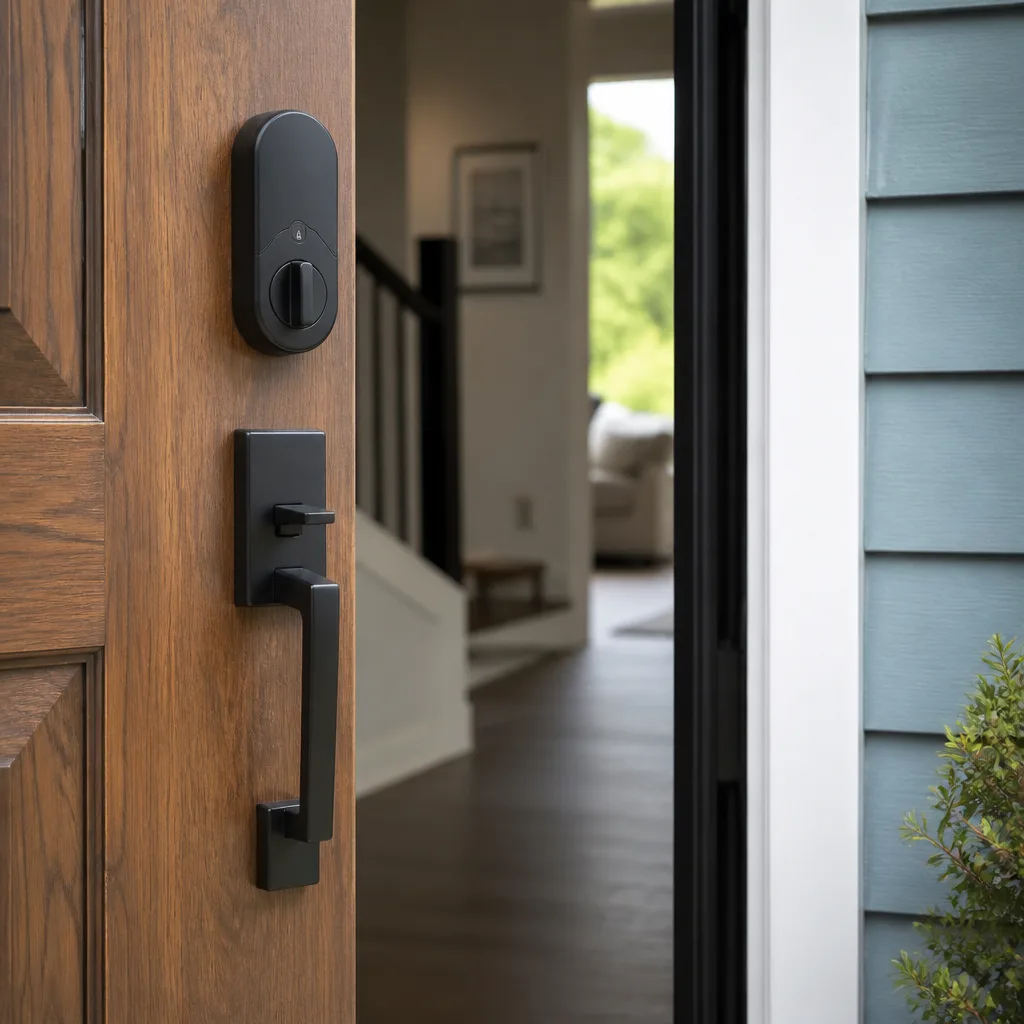 Smart locks
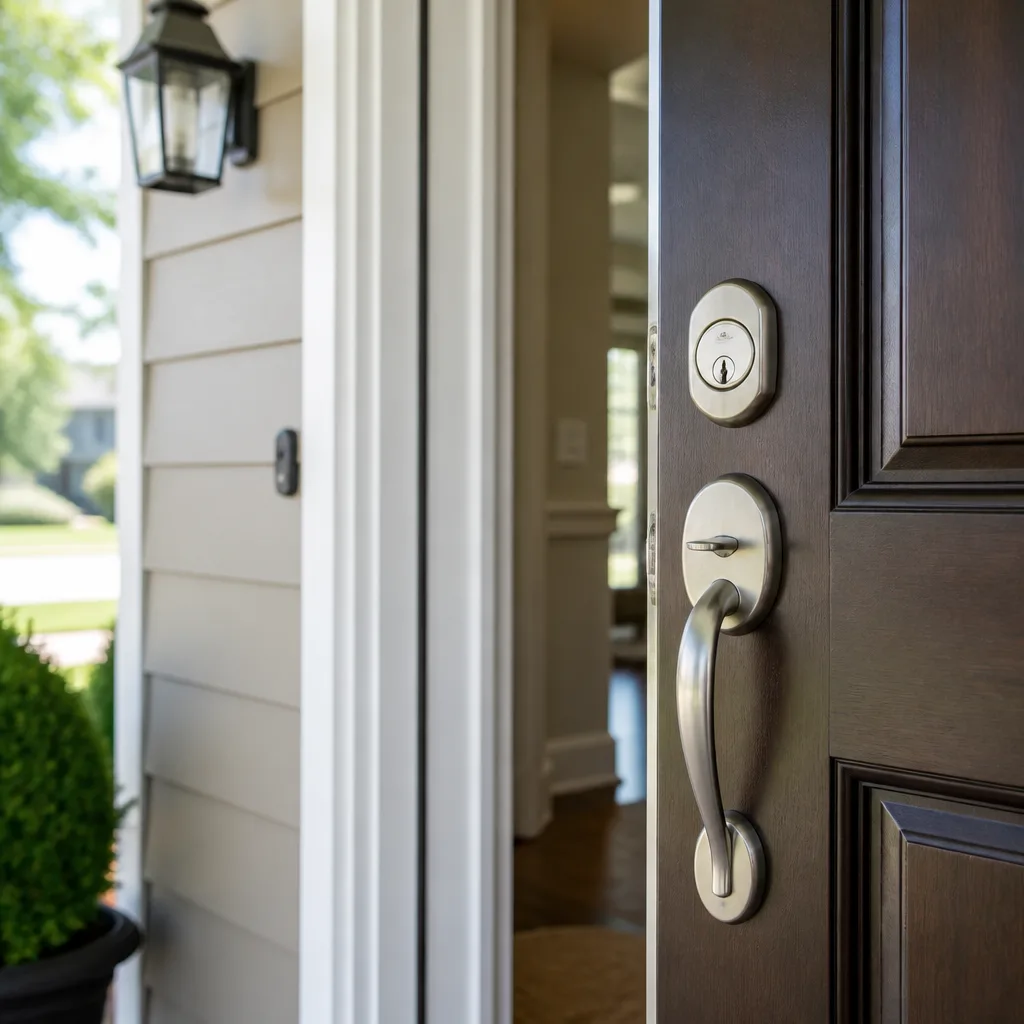 House lockouts
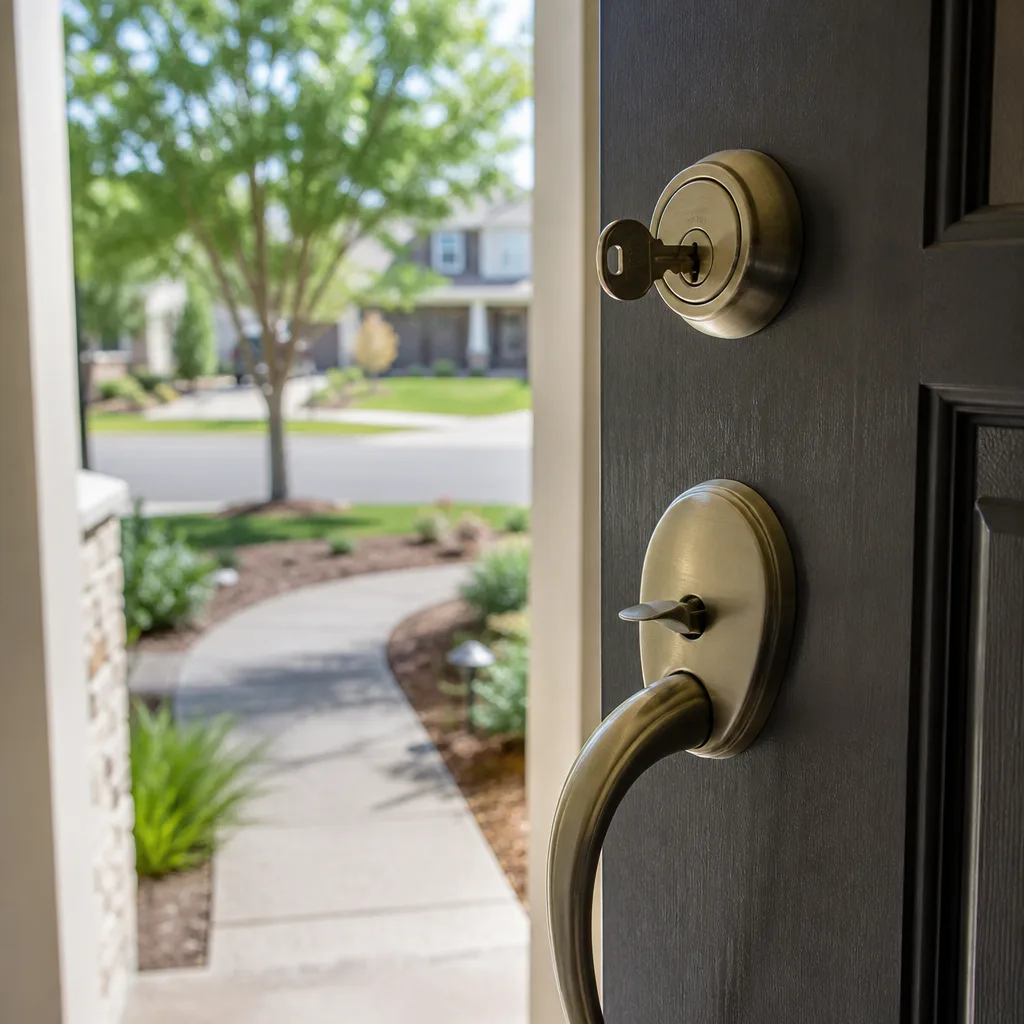 Re-keying
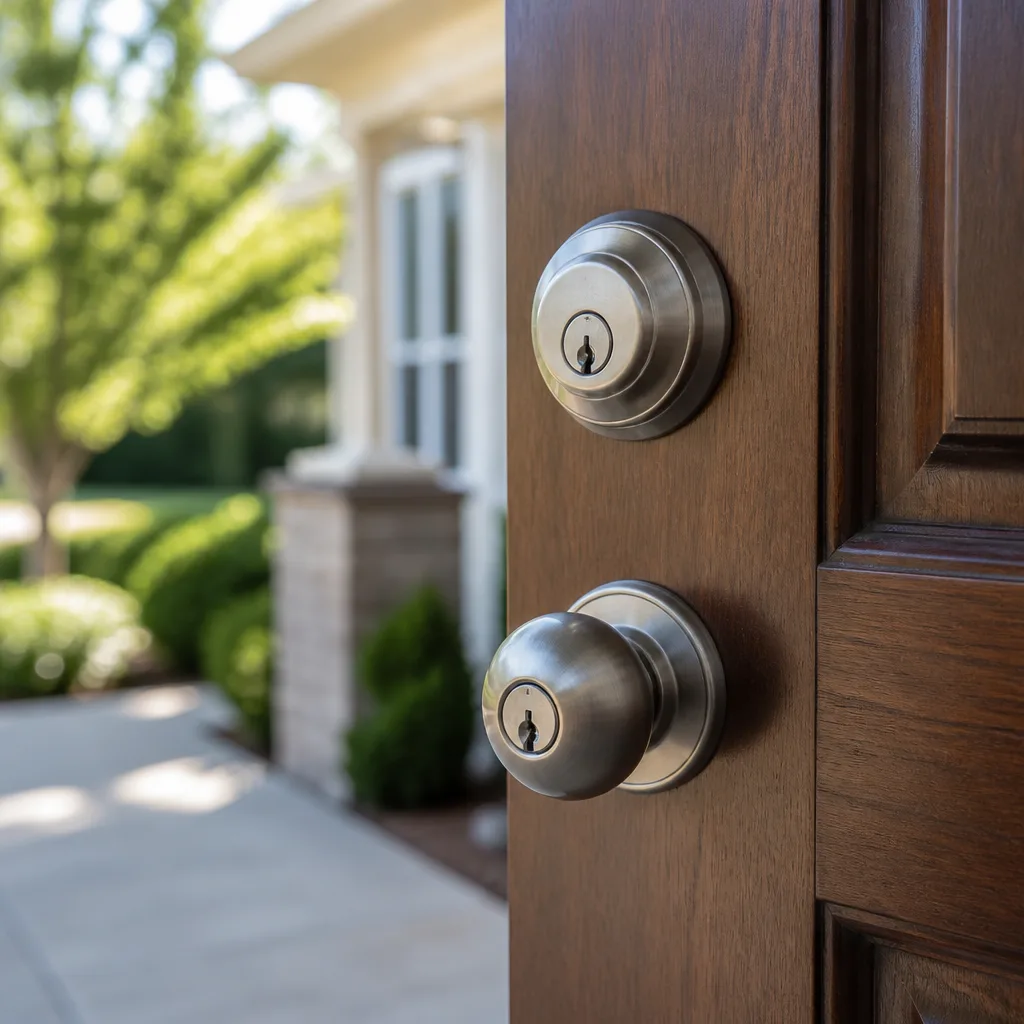 Deadbolt upgrades
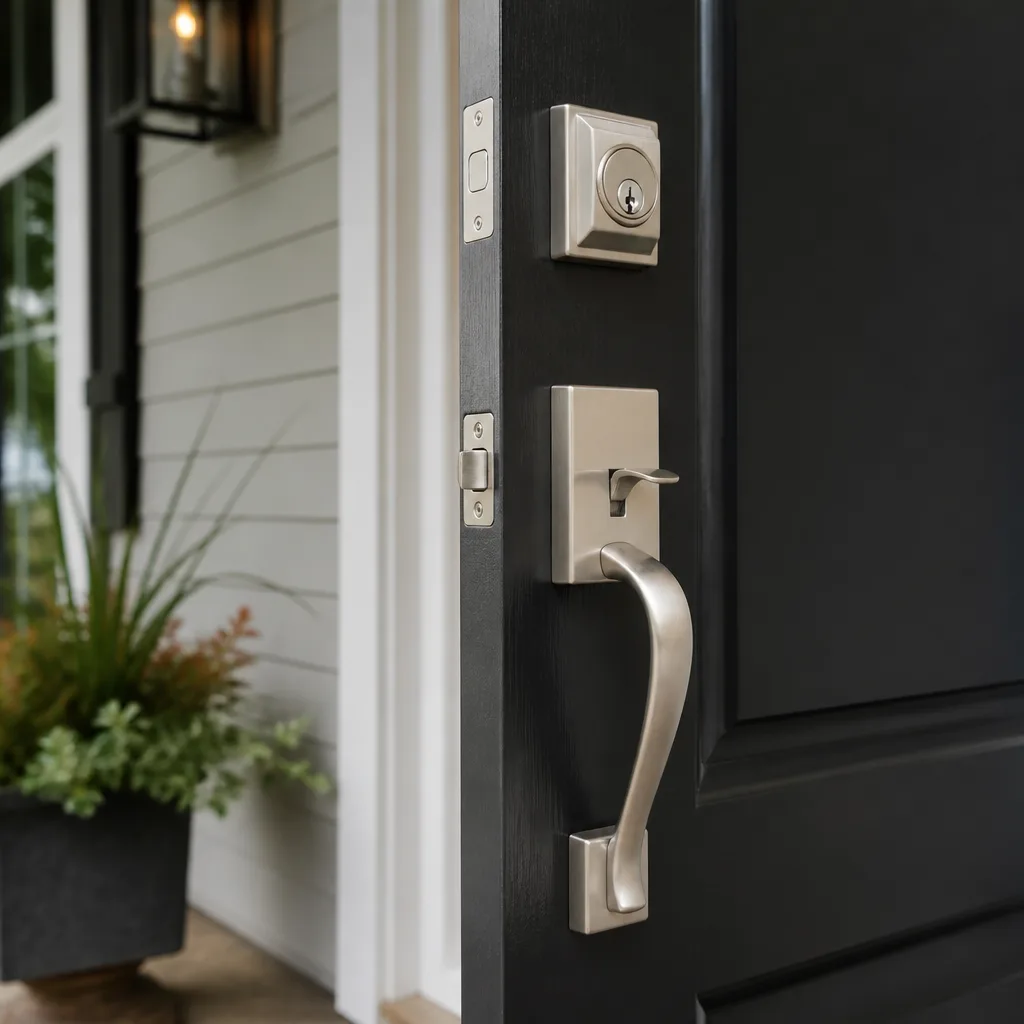 Schlage
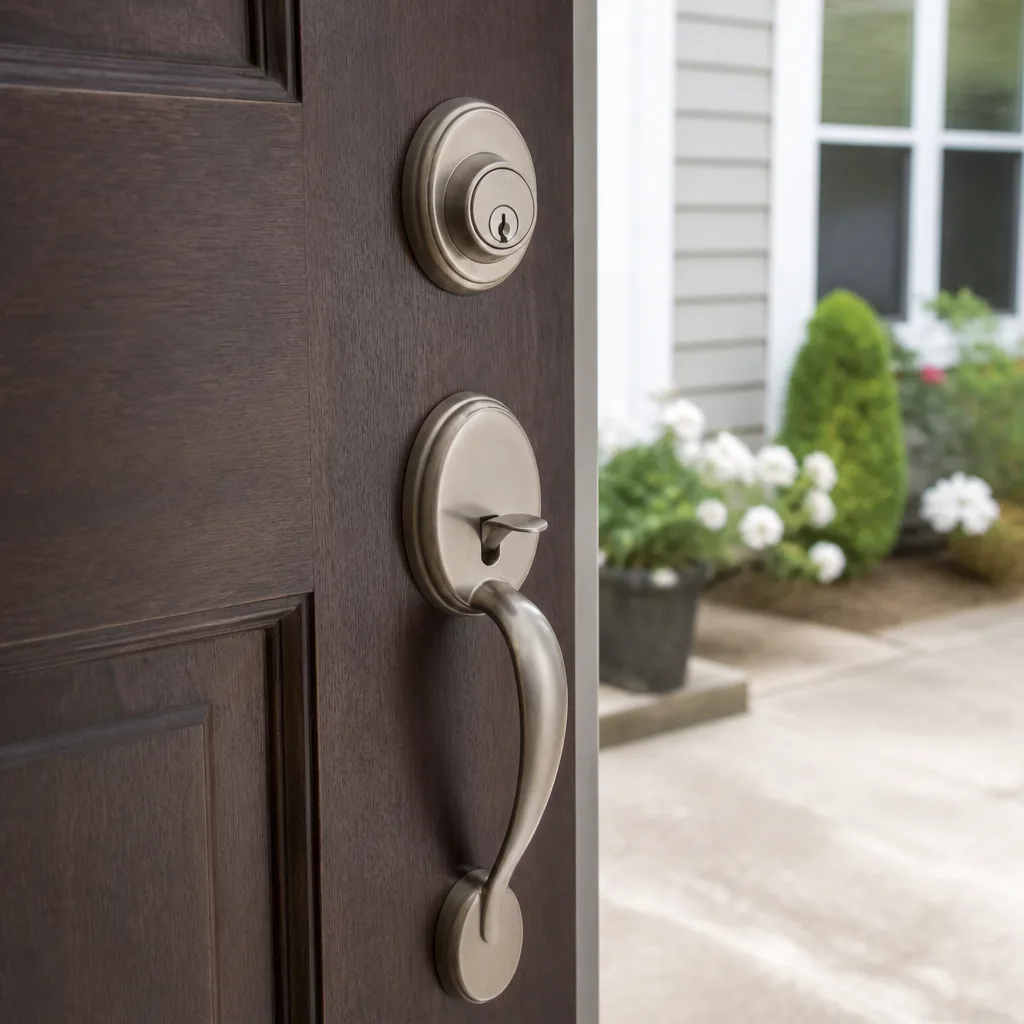 Kwikset
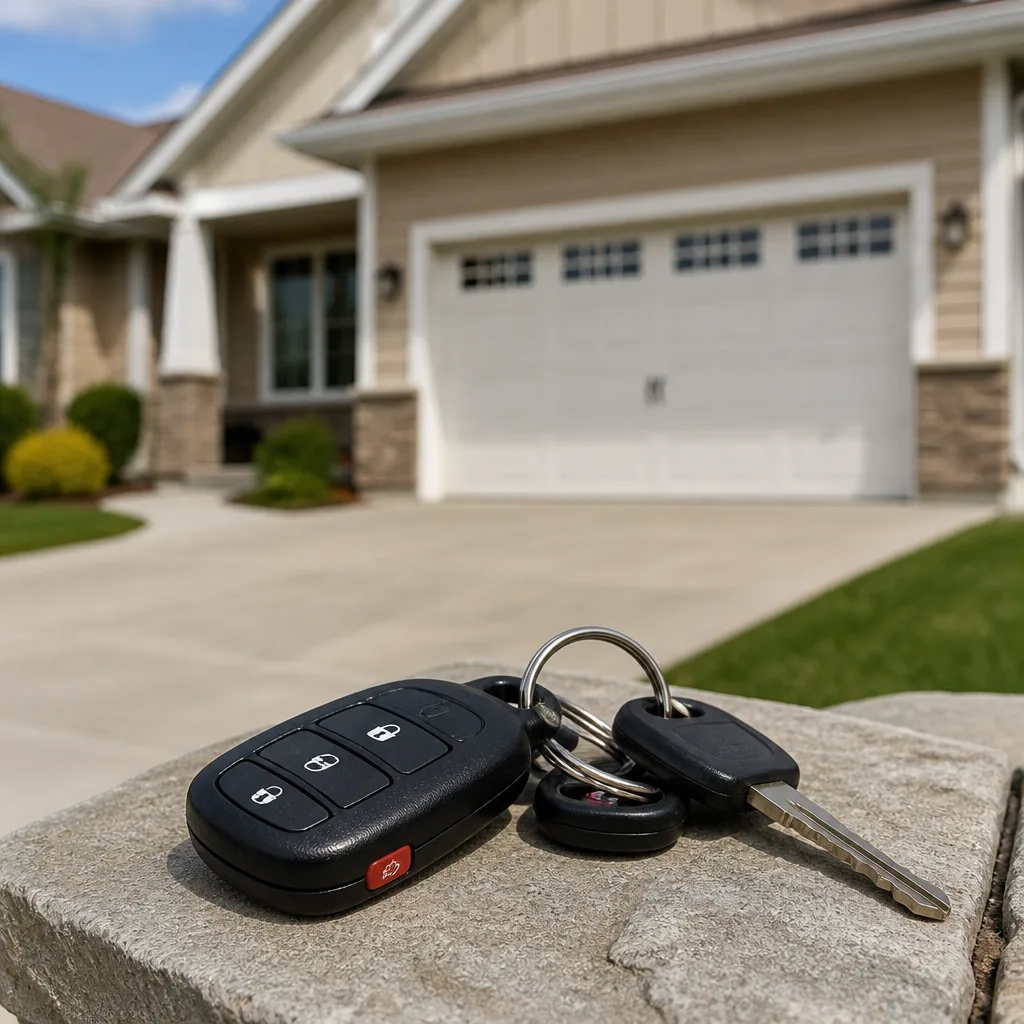 Car keys & fobs
Non-destructive entry first, always - and we re-key Schlage, Kwikset, and Baldwin locks on the spot while you watch
You get a price before we start. It does not change when we arrive. No surprises.
Get your free estimateThe Complete Guide to Locksmith in Oakland
Most Oakland locksmiths advertise “full service” but carry fewer than four keyways in their van. That mismatch between the sign on the truck and the inventory inside it turns what should be a one-call fix into a two-week wait for parts, a second service visit, and a bill that doubles. This guide exists so you never have to learn that lesson the hard way. We’re going to walk through the four distinct tiers of locksmith work in Oakland, what each one actually requires, and how to tell within sixty seconds whether the person on your porch is equipped to handle your specific lock.
Styles & brands we work with
Quick Answer
A locksmith in Oakland handles four distinct categories of work: emergency lockouts, residential lock service and rekeying, automotive key replacement, and commercial or high-security lock systems. Hiring the right Oakland locksmith comes down to matching your specific lock brand and job type to a technician who actually stocks that hardware, not just one who says they do. For more guidance, see our How to Hire a Locksmith Contractor in Oakland: A Step-by-Step Guide. For most Oakland residents, the smartest move is finding a shop that works across residential, automotive, and commercial lines rather than one that specializes in a single category.
Table of Contents
- The Oakland Locksmith Landscape: Why Most Shops Cap Out at Kwikset
- The Four Service Tiers: What Each One Actually Requires
- California BSIS Licensing: How to Verify a Locksmith in 60 Seconds
- Oakland’s Forced-Entry Map: What Your Neighborhood Means for Lock Selection
- Rekey vs. Replace: The Money Decision Most People Get Wrong
- Master Key Systems for Oakland Rentals: When Single-Cylinder Rekeys Fall Short
- What “High-Security” Actually Means: Abloy, Medeco, and Mul-T-Lock Explained
- Automotive Key Replacement in Oakland: The Dealership Alternative
- Common Mistakes to Avoid
- When to Call a Professional
- Frequently Asked Questions
- The Bottom Line
The Oakland Locksmith Landscape: Why Most Shops Cap Out at Kwikset
Oakland’s housing stock tells the story before you ever touch a deadbolt. Walk the streets of Maxwell Park or Laurel and you’ll find 1920s bungalows with original mortise locks. Head up to Montclair or the Oakland Hills and you’ll see newer construction with builder-grade Schlage hardware that’s now fifteen years past its intended lifespan. Down in Fruitvale and East Oakland, a mix of aging storefronts and multi-unit rentals means locks get changed often and sometimes under pressure.
Here’s the thing most residents don’t realize until they’re standing in front of a lock that won’t turn: the average locksmith van in Oakland stocks two, maybe three keyway types. Schlage and Kwikset cover roughly eighty percent of residential locks in the city. But that remaining twenty percent, which includes older Baldwin sets, Yale commercial hardware, and anything from Sargent or the high-security lines, requires blanks and tooling that a generalist shop simply doesn’t carry. When they hit one of those locks, they don’t tell you they can’t do it. They take your information, tell you they’ll order the part, and you wait.
That’s the quiet inefficiency baked into Oakland’s locksmith market. A shop that advertises twenty services but stocks four keyways is not actually a full-service operation. It’s a Kwikset shop with good marketing.
The Four Service Tiers: What Each One Actually Requires
Every locksmith job in Oakland falls into one of four categories, and each category demands different credentials, tooling, and experience. Understanding which tier your job falls into is the single most useful thing you can learn before making a phone call.
Tier 1: Emergency Lockout Response
Emergency lockouts are the bread and butter of Oakland locksmith work, and they’re also where service quality varies the most. A legitimate emergency call means someone is locked out of their home, business, or car at an inconvenient hour and needs entry restored without damage. The tools for this work are relatively standard: tension wrenches, picks, bypass tools, and air wedges for automotive work. What separates a competent emergency tech from a hack is the ability to open a lock without destroying it. In our experience across Oakland, a professional should be able to open most residential locks in under twenty minutes without drilling. If the first thing a technician reaches for is a drill, something is wrong.
Tier 2: Residential Lock Service and Rekeying
Residential work covers installation, repair, and rekeying of door locks, deadbolts, and window locks. This tier is where brand competency starts to matter. A Kwikset-only shop can handle a Kwikset rekey without breaking a sweat. Hand them a Baldwin mortise lock from a 1930s Rockridge home and watch what happens. Rekeying a lock requires the tech to have the correct pins and springs for that specific lock body, and Baldwin, Yale, and Sargent all use different internal components than budget hardware. For an Oakland homeowner, the takeaway is simple: ask what brands the shop works on before you schedule, not after the tech arrives.
Tier 3: Automotive Key Replacement
Automotive locksmithing is its own discipline. Modern car keys contain transponder chips that communicate with the vehicle’s immobilizer system, and cutting a new key requires programming equipment that reads and writes to the car’s computer. This is not something a residential locksmith can improvise. Shops that offer car key replacement in Oakland invest in dedicated programmers, a library of key blanks across domestic and import makes, and ongoing training to keep up with changing protocols. A homeowner who calls a residential shop for a 2021 Honda key will typically get referred to a dealership, where the same job costs thirty to fifty percent more and takes longer.
Tier 4: Commercial and High-Security Systems
Commercial work is where the gap between advertised and actual capability becomes obvious. High-security lock brands like Medeco, Mul-T-Lock, and Abloy use restricted keyways and patented key control systems that require dealer authorization to cut keys. You cannot walk into a general hardware store and get a Medeco key duplicated. In Oakland, property managers and small business owners who need these systems either work with a locksmith who carries the dealer credentials, or they compromise on security with hardware that’s easier to duplicate. There’s no middle ground.
California BSIS Licensing: How to Verify a Locksmith in 60 Seconds
California regulates locksmiths through the Bureau of Security and Investigative Services, or BSIS. Every legitimate locksmith in Oakland holds a locksmith company license and every technician who touches your lock should carry a BSIS registration card with their photo and registration number on it. This is not a formality. Unlicensed operators are a well-documented problem in the Bay Area, and they tend to surface when someone is locked out and searching online in a hurry.
Verifying a license takes less than a minute. Here’s the sequence:
- Ask to see the BSIS registration card. A legitimate technician carries it. If they don’t have it on them, that’s a red flag, not a paperwork mix-up.
- Note the registration number. Every card displays a unique number issued by the state.
- Check the BSIS license lookup tool. The California Bureau of Security and Investigative Services maintains an online verification portal. Enter the number and confirm the license is active and matches the person at your door.
- Confirm the company name matches. The registration should be tied to a licensed company, not just an individual operating without a business license.
When we work in Oakland, we encourage every customer to ask for this verification. A shop that gets defensive about showing credentials is telling you something important.
We’re a licensed Oakland locksmith operating within California’s BSIS requirements. If you’d like to verify our standing before we arrive, ask and we’ll walk you through it on the phone.
Oakland’s Forced-Entry Map: What Your Neighborhood Means for Lock Selection
Oakland’s neighborhoods experience property crime at very different rates, and that reality should shape your hardware decisions. Data from the Oakland Police Department consistently shows higher forced-entry burglary rates in parts of East Oakland, particularly around Seminary, Fitchburg, and parts of Fruitvale, than in the hills communities above Highway 13. That’s not a value judgment on those neighborhoods. It’s a factual observation about where thieves apply force to doors, and it has direct implications for lock selection.
If you live in a neighborhood with elevated forced-entry rates, the builder-grade deadbolt that came with your house is not adequate. Forced entry typically means a kick, a pry bar, or a wrench on the cylinder, and standard Schlage or Kwikset deadbolts fail this test predictably. The strike plate pulls loose from the door frame, the bolt shears, or the cylinder rotates out of the housing. A high-security deadbolt from Medeco or Mul-T-Lock, properly installed in a reinforced frame, changes the calculation significantly. These locks resist the common attack methods because their cylinders contain hardened steel inserts and their bolts extend deeper into the frame.
What we’ve seen repeatedly in Oakland is a mismatch between risk and hardware. Homeowners in low-risk neighborhoods sometimes spend heavily on high-security locks they don’t need, while renters and homeowners in higher-risk areas keep whatever lock was on the door when they moved in. The right approach is to match your lock grade to your actual exposure.
Rekey vs. Replace: The Money Decision Most People Get Wrong
When someone moves into a new home, loses a key, or ends a relationship, their first instinct is often to buy new locks. That instinct costs money unnecessarily. A rekey changes the internal pins of an existing lock so that a new key operates it while old keys no longer work. The lock body, cylinder housing, and hardware stay in place. If the lock itself is in good condition, rekeying produces the exact same security outcome as replacement for a fraction of the cost. See our Locksmith Cost Breakdown: The Oakland Homeowner’s Reference for 2026 for typical pricing.
The decision comes down to one question: is the existing hardware worth keeping? A solid Baldwin, Yale, Schlage, or Kwikset deadbolt in good working condition is almost always a rekey candidate. If the lock is damaged, rusted, or a cheap no-name brand that came with the house, replacement makes more sense.
We actively recommend rekeying for Oakland tenants and new homeowners because it’s the highest-value security upgrade available. A full rekey of a home’s exterior doors typically costs less than replacing even one quality deadbolt, and the result is identical: anyone who had a key before no longer does. It’s the smartest money you’ll spend on home security in the first month after you move in.
For more detail on this specific service, read our full guide on Rekey Locks in Oakland.
Master Key Systems for Oakland Rentals: When Single-Cylinder Rekeys Fall Short
Oakland has one of the highest renter populations of any Bay Area city, which means a significant number of local locksmith calls come from landlords and property managers. Those calls often start with this problem: “I have four units, two common doors, and a storage room, and I need every tenant to have a key that only opens their own door while my key opens everything.”
That’s a master key system, and it’s a different animal from a standard single-cylinder rekey. In a master key system, each lock cylinder contains additional pins that create a second shear line. The tenant key aligns pins at the first shear line and opens only that one lock. The master key aligns pins at the second shear line and opens every lock in the system. Setting this up requires precise math on pin heights, fresh pins rated for the specific lock brand, and careful planning of the key hierarchy before any physical work begins.
Not every locksmith in Oakland offers master key systems, because the skill set is more advanced than standard residential rekeying and the margin for error is low. A poorly designed master system creates cross-keying issues where tenant keys open doors they shouldn’t. For an Oakland landlord managing multi-unit properties, a properly executed master system is worth the investment. When tenants turn over, a single-cylinder rekey on the vacated unit restores security without touching the rest of the system.
What “High-Security” Actually Means: Abloy, Medeco, and Mul-T-Lock Explained
The phrase “high-security” gets thrown around in marketing copy without much substance behind it. In the hardware world, high-security means something specific. A high-security lock has at least one of these properties: a patented keyway that prevents unauthorized key duplication, internal components designed to resist picking and drilling, or a key control system that tracks every copy ever made.
Medeco is the most recognized name in American high-security locks. Their cylinders use a dual-locking mechanism where the pins must be lifted and rotated to the correct angle, which makes picking dramatically harder. Key blanks are patented and Medeco dealers are contractually restricted from duplicating keys without the owner’s authorization card. Mul-T-Lock, an Israeli company with a strong presence in commercial markets, uses a telescoping pin system that combines inner and outer pins for pick resistance. Their keys also feature a magnetic element in some models. Abloy, a Finnish brand owned by Assa Abloy, uses a rotating disc mechanism that operates on a completely different principle from traditional pin tumbler locks and is practically pick-proof when properly maintained.
What does this mean for an Oakland property owner? If you run a business in downtown Oakland, manage a commercial property near Jack London Square, or own a home in the hills where a burglary would mean losing items of real value, high-security hardware is not pretentious overkill. It’s the difference between a lock that slows a determined attacker and one that stops them. A standard Kwikset deadbolt buys you thirty seconds against a pry bar. A properly installed Medeco buys you a much longer window, and more importantly, it sends a visible signal that this door is not the easiest target on the block.
We work on eight lock brands, which means when you call us about your existing hardware, we don’t tell you to replace it with whatever we happen to stock. If you have a Baldwin mortise lock in a Rockridge bungalow, we work on Baldwin. If you have a Mul-T-Lock or Medeco system at your Oakland business, we service those too. You can learn more about our full service range on the Cypress Lock & Key home page.
Automotive Key Replacement in Oakland: The Dealership Alternative
For decades, losing a car key in Oakland meant one option: a tow to the dealership and a bill that started north of three hundred dollars before anyone touched the car. That equation has changed. Mobile automotive locksmiths now carry the programming equipment and key blank inventory to cut and program most modern keys on-site, whether the car is parked in a driveway in Dimond District or sitting in a lot near a Temescal restaurant.
The value proposition is straightforward. A dealership charges a premium for the same result, and getting the car to the dealership adds a tow charge or an awkward ride share situation. A mobile locksmith comes to the car. A mobile locksmith in Oakland who specializes in automotive work can typically cut and program a replacement key or fob in under an hour, depending on the vehicle’s make and year.
Not every locksmith offers this service, and it’s worth asking specifically. Automotive key programming requires proprietary diagnostic tools that cost real money, and many residential and commercial shops won’t make that investment. If you need car key work, you want a shop that lists automotive service as a core offering, not a sideline. Our Car Key Replacement in Oakland page covers the process in more detail.
One Oakland-specific note: vehicles parked on the street are vulnerable to break-ins regardless of neighborhood, and a car with no key is an easy target for a tow. If you lose your key, don’t leave the situation unresolved overnight. A mobile tech can usually reach you the same day.
Common Mistakes to Avoid
- Hiring the first locksmith that appears in a search ad. The Oakland locksmith market includes bait-pricing operations that quote low over the phone and inflate the invoice after arrival. Check the BSIS license before you open the door.
- Assuming “full service” means anything. A shop that advertises full service but has never touched a Medeco lock is not full service. Ask about specific brands before scheduling.
- Replacing locks you could have rekeyed. If your existing hardware is in good shape, rekeying delivers the same security for a fraction of the cost. We see Oakland homeowners overpay for new hardware multiple times a month.
- Waiting until you’re locked out to find a locksmith. The panic of a lockout at 2 a.m. leads to bad decisions. Find a licensed Oakland locksmith now, save the number, and never make a security decision under stress.
- Ignoring the strike plate. The deadbolt is only as strong as the screws holding the strike plate to the door frame. Most forced-entry failures in Oakland are strike plate failures, not lock failures.
- Using a non-licensed tech for high-security hardware. If someone without dealer credentials tries to service your Mul-T-Lock system, they’re going to damage it or void your key control. High-security work requires authorized dealers.
- Assuming your car key is a dealership-only problem. Modern automotive locksmiths in Oakland carry the same programming equipment as dealers and come to your car. You’re paying for the tow and the dealership overhead for no reason.
When to Call a Professional
Some situations don’t wait for business hours. If you’re locked out of your home, business, or car, call an emergency locksmith immediately. The same applies if you’ve experienced a break-in or an attempted break-in: a professional can assess whether the lock was defeated, replace or rekey it, and reinforce the door frame if necessary. If you’ve lost a key and you don’t know who might have found it, rekeying is not optional. If you’re moving into a new place in Oakland, rekey before you unpack. And if you own a commercial property, partnering with a locksmith who handles high-security brands means you’re not scrambling when a security issue surfaces. Cypress Lock & Key offers free estimates in Oakland. Call (877) 265-4385 and we’ll give you an honest answer about what your job needs and what it will cost before anyone is dispatched.
Frequently Asked Questions
Oakland locksmith pricing varies by service tier. A standard residential lockout typically runs between $75 and $150 during business hours, with higher rates overnight and on weekends. Rekeying a single door usually costs $40 to $90 plus the service call fee, while rekeying an entire home with multiple doors might run $150 to $300. Automotive key replacement ranges widely depending on the vehicle: basic keys start around $120, while transponder keys and smart fobs for newer cars can reach $400 or more. Commercial and high-security work is quoted per job. Call (877) 265-4385 for an exact quote for your specific situation. Estimates are free, and the price we quote on the phone is the price on your invoice.
Yes. When you call us with an Oakland locksmith need, we quote the full price before anyone is dispatched, and that quote is what you pay. There is no call-out surcharge added on arrival, and no inflated invoice waiting at the end of the job. The bait-pricing problem is real in this industry, and we handle it by being direct about costs from the first phone call.
Our emergency response coverage extends across Oakland, from West Oakland through downtown to the hills and down into East Oakland. For urgent lockouts, we dispatch as quickly as our current call volume allows. We don’t quote a guaranteed arrival window we can’t honor, but we will tell you the truth about our current availability when you call so you can make an informed decision. For non-emergency work like rekeys and security upgrades, we schedule a time that works for you. If you need immediate help, our Emergency Locksmith in Oakland page has more detail.
We operate under a valid California BSIS locksmith license, and every technician who arrives at your Oakland property carries a BSIS registration card with a photo and registration number. Ask to see it before any work begins. You can verify the number on the BSIS online lookup tool in under a minute. Any legitimate locksmith in Oakland will welcome that check.
We make replacement car keys and program transponder keys and fobs for most makes and models, and we come to your car wherever it is in Oakland. This is a core service for us, not a sideline. In most cases, we can cut and program a new key on-site in under an hour, at a price below what the dealership would charge before you factor in the tow. Not every vehicle can be fully programmed on-site due to manufacturer restrictions on certain late-model cars, but we’ll tell you honestly what’s possible for your specific situation before we dispatch anyone.
A standard deadbolt from Schlage or Kwikset uses a pin-tumbler cylinder with openly available key blanks, meaning anyone with access to a key machine can duplicate your key. High-security locks from Medeco, Mul-T-Lock, or Abloy use patented keyways that legally restrict duplication, plus internal mechanisms designed to resist picking, drilling, and forced rotation. The security difference is real, especially for Oakland properties in higher-risk neighborhoods or commercial locations. That said, a properly installed standard deadbolt with a reinforced strike plate is adequate for many low-risk residential doors. The right lock is the one matched to your actual risk level, not the most expensive one in the catalog.
The Bottom Line
Oakland’s locksmith landscape rewards one skill above all others: knowing what kind of job you have before you pick up the phone. Emergency lockouts need speed and license verification. Residential locks need brand-specific competency and honest rekey recommendations over unnecessary hardware replacement. Automotive keys need programming equipment that most generalist shops don’t carry. Commercial and high-security work needs dealer credentials that fewer still possess. Once you know which tier your job falls into, the hiring decision becomes simple. Cypress Lock & Key handles the full spectrum, and we’ll tell you the truth about cost and timeline before anyone is dispatched. Call (877) 265-4385 for a free estimate.
Written by the team at Cypress Lock & Key, serving Oakland since 2017. Browse more guides & resources on our blog.