Last updated October 30, 2026
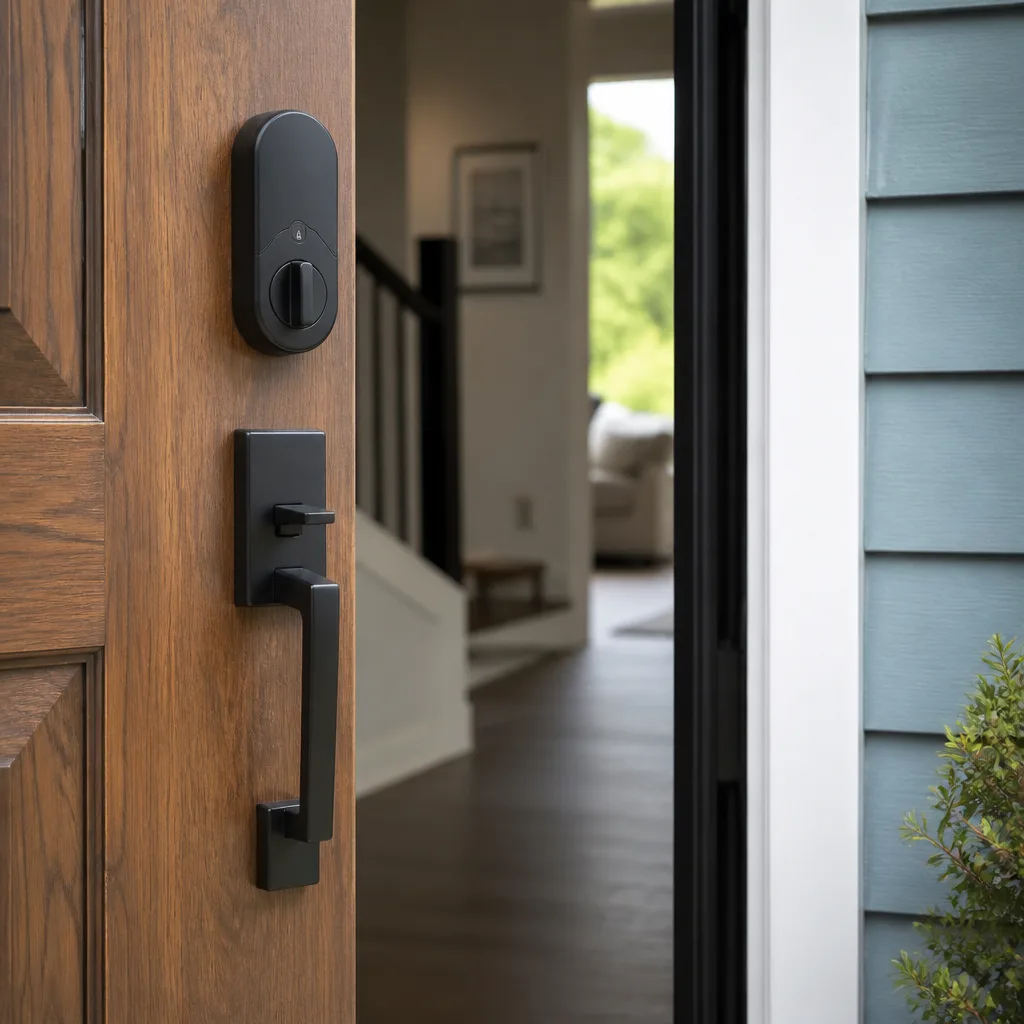 Smart locks
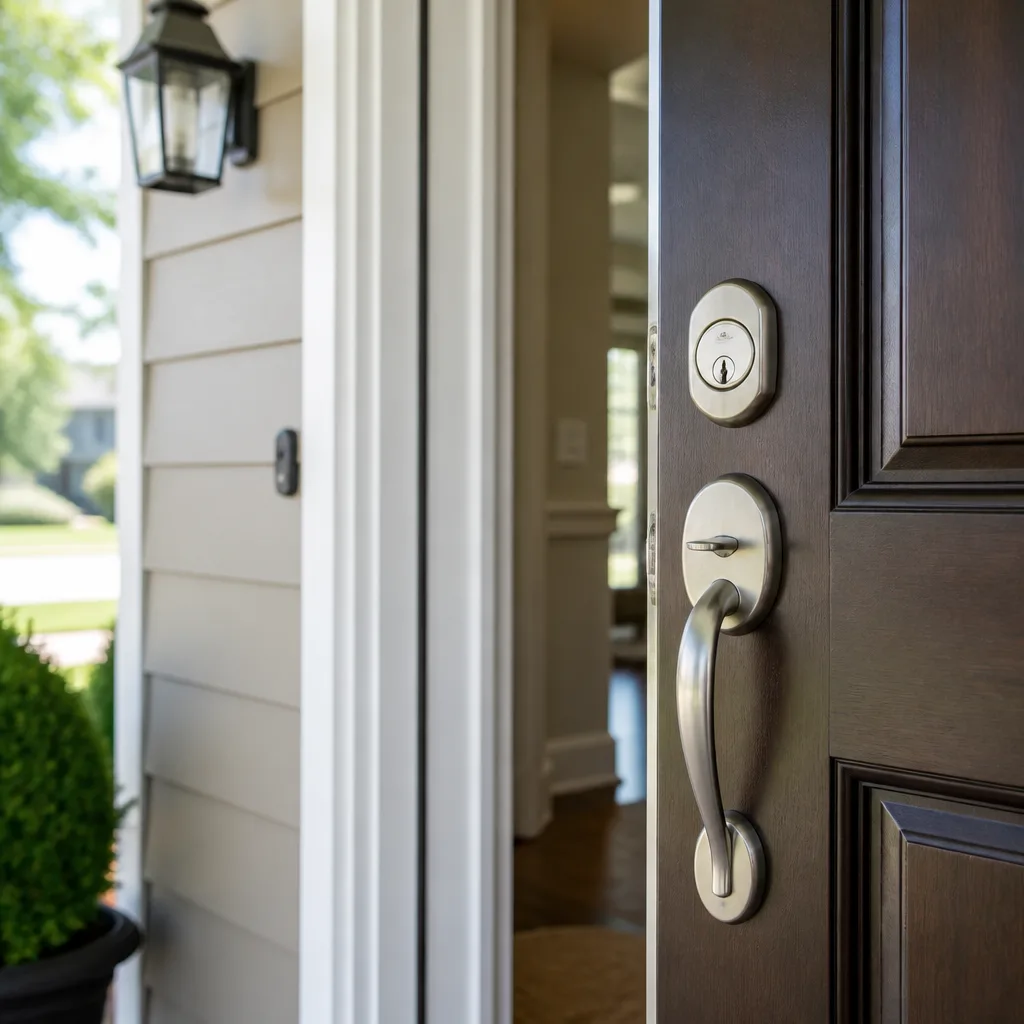 House lockouts
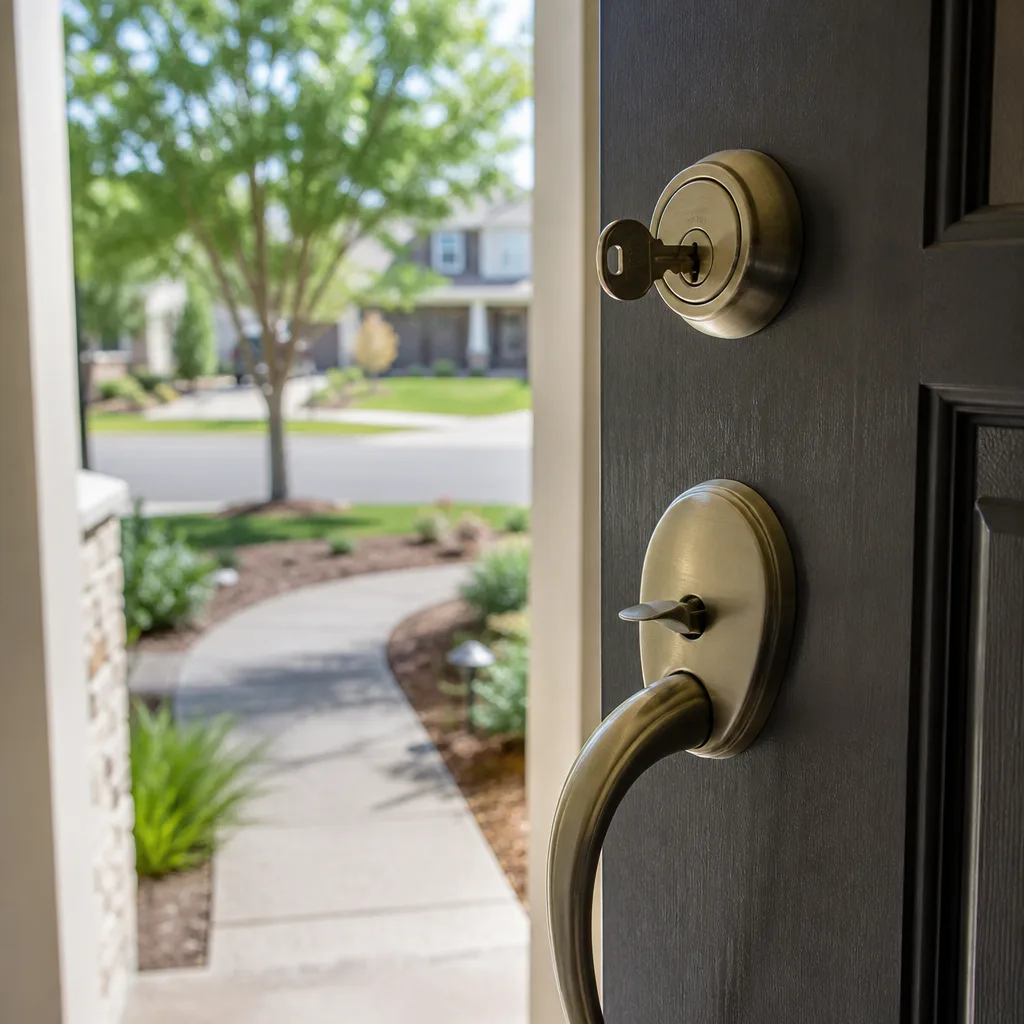 Re-keying
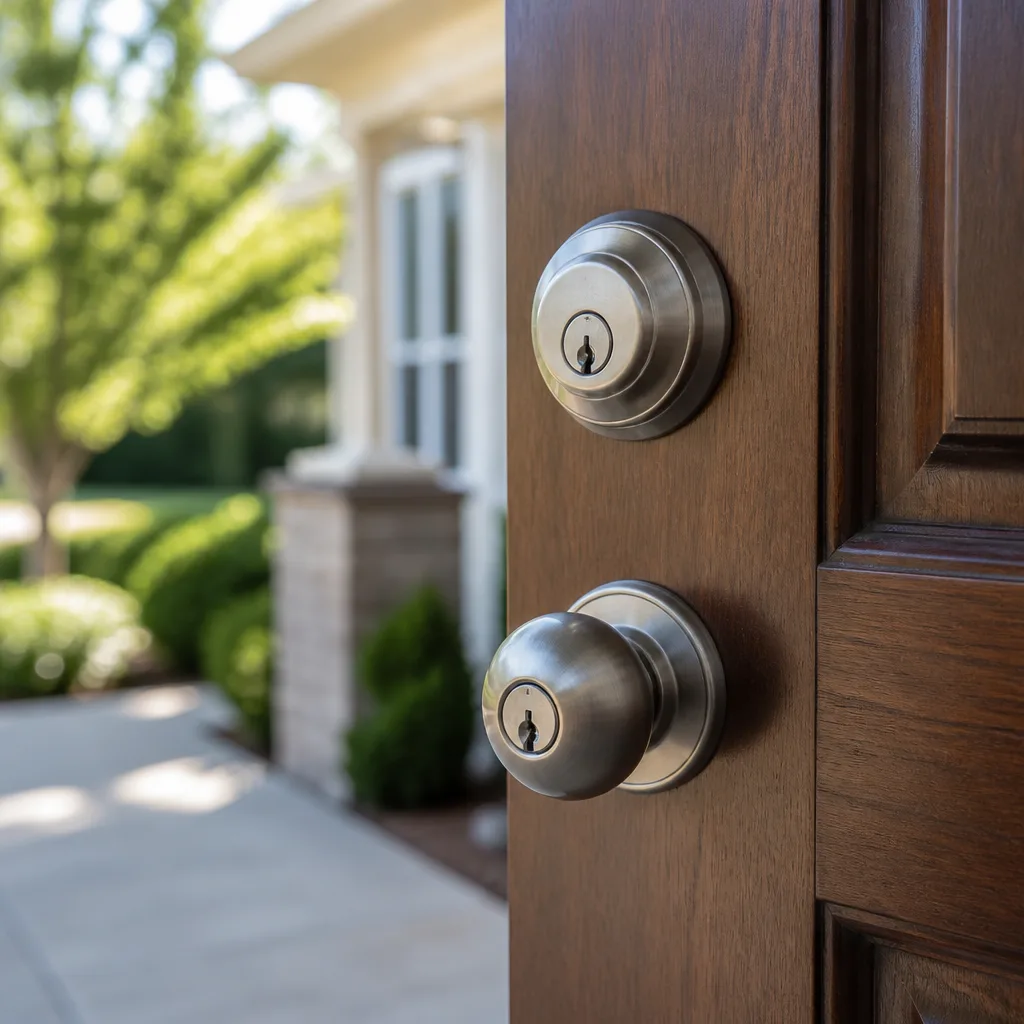 Deadbolt upgrades
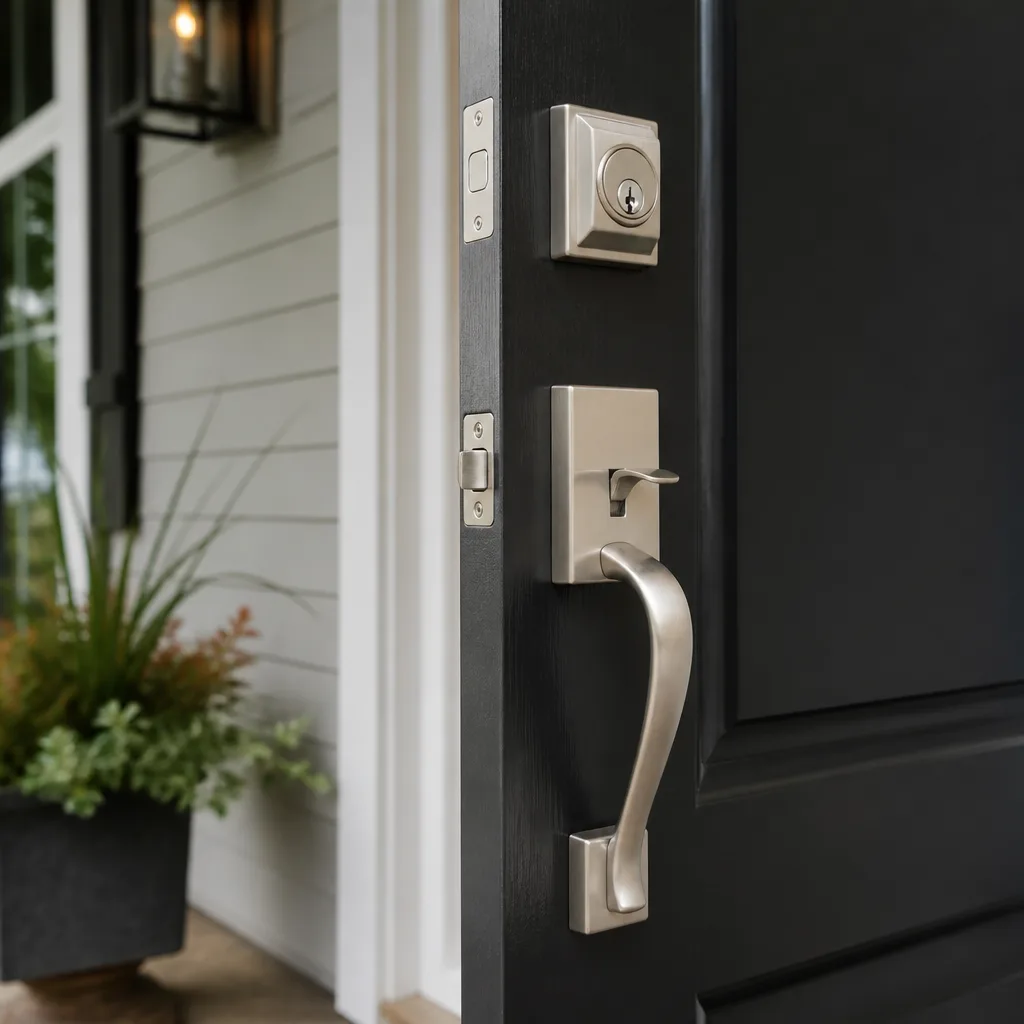 Schlage
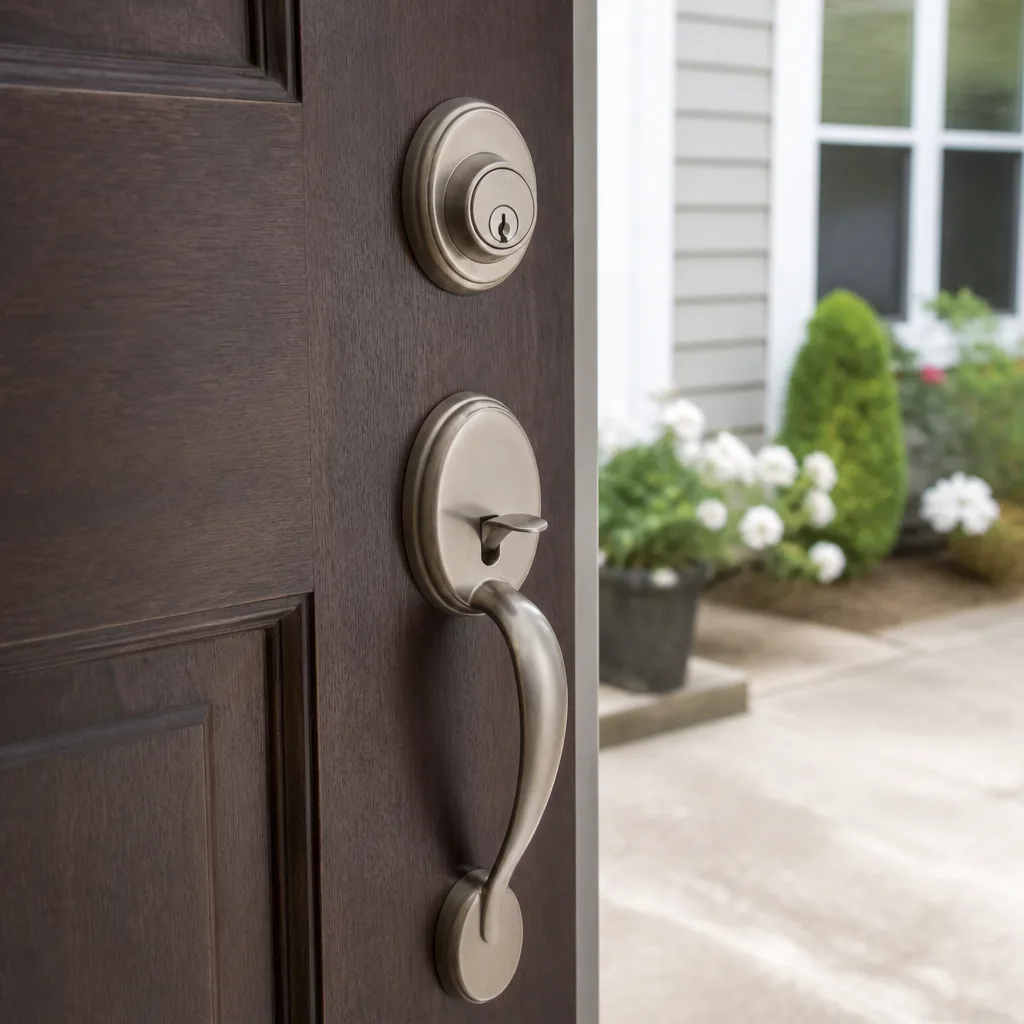 Kwikset
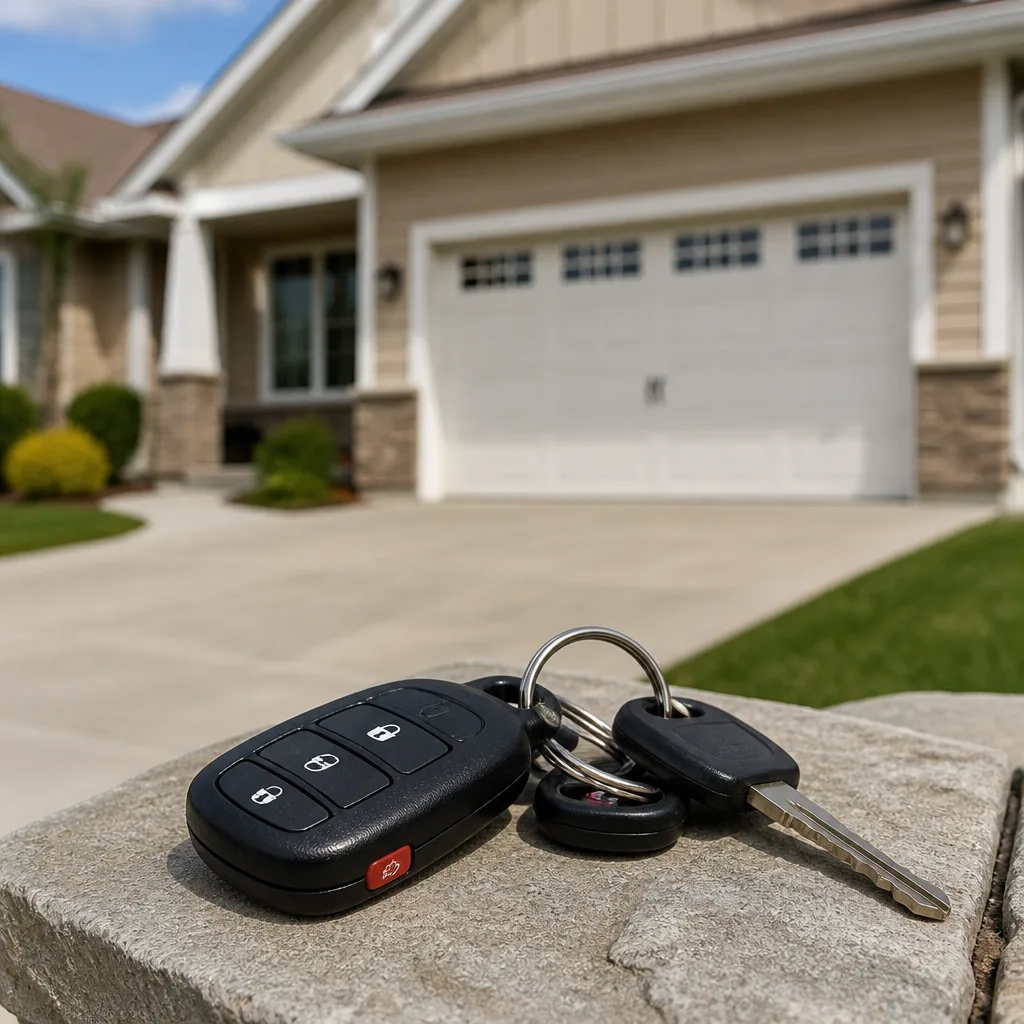 Car keys & fobs
Non-destructive entry first, always - and we re-key Schlage, Kwikset, and Baldwin locks on the spot while you watch
You get a price before we start. It does not change when we arrive. No surprises.
Get your free estimateDIY vs Professional Locksmith: The Oakland Homeowner’s Decision Guide
Oakland’s housing stock is a mix of 1920s Craftsman bungalows, mid-century flats, and newer infill construction. That variety means the locks on your door could be a 40-year-old Kwikset with worn pins, a Baldwin mortise that predates standardized door prep, or a smart deadbolt installed last year. Each of those scenarios carries a different answer to the DIY-versus-professional question. This guide draws that line based on one factor: what actually happens when the job goes wrong.
Styles & brands we work with
Quick Answer
For most Oakland homeowners, straightforward hardware swaps like a standard deadbolt replacement on an existing pre-drilled door are reasonable DIY projects. But any job involving rekeying, transponder programming, high-security cylinders, or non-standard door prep belongs with a professional. The dividing line isn’t your mechanical skill. It’s the cost of the repair when the first attempt fails.
Table of Contents
- What “DIY Locksmith” Actually Means in 2026
- Jobs You Can Legitimately Do Yourself
- The Hard Professional Lines: Where DIY Stops
- The Oakland Complication: Old Doors, Non-Standard Prep
- The Real Cost Math: Tools, Time, and Failed Attempts
- Insurance, Liability, and What Self-Installation Means for Claims
- Common Mistakes to Avoid
- When to Call a Professional
- Frequently Asked Questions
- The Bottom Line
What “DIY Locksmith” Actually Means in 2026
YouTube tutorials make lock work look accessible, and for certain jobs, it genuinely is. A Kwikset deadbolt swap on a door with standard 2-1/8-inch cross-bore and 1-inch edge bore prep takes about 20 minutes with a Phillips screwdriver. No specialized knowledge required. The instructions in the box are adequate.
But the internet has quietly blurred a line that used to be obvious. Search “how to rekey a lock” and you’ll find videos suggesting a pinning kit purchase, a follower tool, and 45 minutes of careful work. What those videos rarely show is what happens when a spring flies across the room, or when you mix up the bottom pins and top pins, or when the plug gets inserted 180 degrees off. The lock doesn’t fail obviously. It fails intermittently, or it works with your new key but not the old one, or the cylinder seizes entirely.
In our experience across Oakland, the phone calls we get after a DIY rekey attempt share a pattern. The homeowner spent $40 to $60 on tools, three hours on the job, and now has a lock that works sometimes. By the time we arrive, the cylinder usually needs replacement rather than correction. That’s not a commentary on anyone’s competence. It’s the reality of working with mechanisms that tolerate zero margin for error.
So the honest framing is this: the DIY-versus-professional question isn’t about whether you can follow instructions. It’s about whether the failure mode of a given job is recoverable with your existing tools and knowledge. For some jobs, it is. For others, the recovery costs more than hiring a pro would have in the first place—see our Locksmith Cost Breakdown: The Oakland Homeowner’s Reference for 2026 for typical pricing.
Jobs You Can Legitimately Do Yourself
Some lock work is genuinely within reach for a careful homeowner. The following list represents the tasks where failure is cheap, tools are minimal, and the instructions are bulletproof.
- Standard deadbolt or knob swap on existing prep. If your door already has a 2-1/8-inch cross-bore and a standard strike plate, replacing a Kwikset or Schlage deadbolt is a screwdriver-level job. You’re not modifying the door. You’re swapping hardware into holes that already exist. Oakland homes built after roughly 1980 almost always have standard prep. Homes built before that often don’t, which is a distinction covered below.
- Battery replacement in electronic keypad locks. Schlage Encode, Kwikset Halo, and similar smart locks all use battery packs designed for user replacement. If the lock is beeping or the keypad is slow, the fix is usually a new battery. This is not lock work. It’s maintenance.
- Strike plate reinforcement. The strike plate is the metal plate on the door frame that the deadbolt extends into. Many Oakland homes, especially older ones, have strike plates held in by 3/4-inch screws that only bite into the trim, not the framing. Replacing those with 3-inch screws is one of the highest-value security upgrades you can do yourself. The drill, the screws, and the existing plate are all you need. This job requires no lock disassembly at all.
- Latch adjustment when the door sticks. Sometimes the deadbolt doesn’t throw because the latch and strike are misaligned by a fraction of an inch. Filing the strike plate opening slightly or adjusting the hinge screws is within DIY range. The key here is patience: remove a little material at a time and test frequently.
What these jobs share is a low barrier to entry and a recoverable failure mode. If you install a deadbolt and it doesn’t align, you can remove it and try again. If the screw strips a hole, you can use a longer screw. Nothing is permanently broken, and your cost ceiling is the price of the hardware itself.
For anyone working through these tasks, the brand matters less than the door. A Yale or Baldwin deadbolt into a standard prep is as straightforward as a Kwikset. The complication comes from the door, not the hardware.
The Hard Professional Lines: Where DIY Stops
Certain lock work requires tools, knowledge, and experience that no tutorial can substitute for. The line isn’t drawn at difficulty. It’s drawn at irreversibility.
Rekeying, Including “Simple” Lock Changes
Rekeying means changing the internal pins of a lock cylinder so it operates on a new key while the old key no longer works. It requires a pinning kit with multiple pin depths, a follower tool matched to the cylinder diameter, and enough practice to manage the springs and drivers without launching them across the room. More importantly, rekeying requires reading key bitting: the specific depths of each cut on the key. If you pin a cylinder to depths that don’t match the key’s cuts, the lock won’t turn. If you mismatch the bottom pins and top pins, the plug can seize. Damage at this stage often means the cylinder is no longer serviceable.
This matters in Oakland for a specific reason. After a move, a roommate departure, or a property turnover, many homeowners want to rekey rather than replace. It’s the right call financially: a rekey in Oakland typically costs a fraction of new hardware. But the job itself is not a beginner task, and the cost of recovering from a failed attempt usually exceeds the cost of the rekey service in the first place.
High-Security Cylinder Work
Medeco, Mul-T-Lock, and Abloy cylinders are engineered differently than residential hardware. Medeco uses angled pin cuts that lock into a sidebar. Mul-T-Lock uses a telescoping pin-in-pin design. Abloy uses a rotating disc system with no pins at all. Each of these requires brand-specific tools, and in some cases, manufacturer authorization to even purchase service parts. Attempting to rekey or disassemble one of these cylinders with standard tools doesn’t just fail. It destroys the cylinder. A Medeco cylinder can run $150 to $250 by itself. That’s the cost of the experiment before you’ve paid anyone to fix it.
The reason we list these brands in a homeowner guide is that Oakland has a meaningful number of them. Property managers and landlords across the East Bay use high-security cylinders for common areas, and some homeowners upgrade after a break-in. If the lock on your door says Medeco or Mul-T-Lock, that’s a sign that a previous owner or property manager made a deliberate security decision. It’s also a sign that the lock is not a DIY candidate under any circumstances.
Automotive Key Programming
Modern car keys contain transponder chips that must be programmed to the vehicle’s immobilizer system. That programming requires a diagnostic tool that interfaces with the car’s computer, and depending on the make and model, the procedure varies significantly. A mechanical key cut is only half the equation. Without the programming step, the car will crank and then fail to start because the immobilizer doesn’t recognize the key.
This is where the car key replacement service line operates. It’s also one of the clearest examples of the DIY-versus-professional line. A key cutting machine costs thousands of dollars. A programming tool costs more. And the knowledge of which tool works on which vehicle comes from volume. This is not a task where the homework makes you prepared. It’s a task where the equipment makes it possible.
Master Key System Changes
Master key systems, where one key opens multiple doors and individual keys open specific ones, involve a controlled pinning scheme. Changing a master-keyed cylinder means understanding how the master pins, top pins, and bottom pins interact across the entire system. If you get one cylinder wrong, you don’t just break that lock. You potentially compromise the entire keying hierarchy. This is commercial-grade work, and it’s not something a homeowner should approach as a learning project.
The Oakland Complication: Old Doors, Non-Standard Prep
Oakland’s housing stock deserves its own section, because the building stock itself creates locked-door complications that don’t show up in most national DIY guides or emergency preparedness resources.
The Craftsman bungalows and Victorian homes that define neighborhoods like Rockridge, Temescal, and the Laurel district were built decades before lock hardware was standardized. A modern deadbolt assumes a 2-1/8-inch cross-bore hole through the door face and a 1-inch edge bore for the latch. Many older Oakland doors were drilled for mortise locks: rectangular lock bodies that slide into a pocket chiseled into the door edge. The prep dimensions are completely different.
What this means in practice: you buy a Schlage deadbolt at a hardware store, remove the old mortise lock, and discover the new deadbolt doesn’t fill the mortise pocket. The door has a rectangular void where a round hole needs to be. The latch doesn’t align. The strike plate sits at the wrong height. And now you have a door with a cavity in it, no working lock, and the growing realization that this is no longer a screwdriver project.
This is one of the most common situations we see in Oakland, and it’s also one of the most avoidable. If your home was built before roughly 1950 and the lock hardware is original or early-generation, treat any lock replacement as a professional evaluation first. The door prep condition is the variable, and it’s only visible once the old hardware comes off. We’ve worked on Sargent mortise locks in Oakland Victorians that were installed when the home was built. Swapping those to modern cylindrical deadbolts requires door modification, not just hardware replacement.
For doors that have already been retrofitted, a standard swap is back in play. The question is whether the retrofit was done properly. In too many cases, the cross-bore was drilled slightly off-center, or the edge bore depth was cut wrong, and the hardware has been fighting the door ever since. If your existing deadbolt has always been stiff, or the latch has visible wear on one side, the prep itself may be the problem. That’s a professional repair, not a DIY swap.
The Real Cost Math: Tools, Time, and Failed Attempts
The financial case for DIY lock work often falls apart when the full cost is calculated. Here’s the breakdown most more guides & resources skip.
Standard Deadbolt Swap
- Hardware cost: $45 to $90 for a Grade 2 deadbolt from Kwikset or Schlage. Grade 1 hardware like a Baldwin deadbolt runs $120 to $200.
- Tools needed: Phillips screwdriver, possibly a drill with a hole saw if the prep needs enlarging. Most homeowners already own the screwdriver.
- Time: 20 to 45 minutes on a standard prep door.
- Professional equivalent: A locksmith typically charges $25 to $45 for installation on top of hardware if you’re supplying it, or a total installed price that’s competitive with retail.
- Verdict: DIY makes sense if the prep is standard and you already own the tools. The savings are modest but real, and the failure mode is recoverable.
Rekey Attempt
- Tool cost: A beginner pinning kit runs $30 to $60. A follower tool set runs $15 to $25. A plug follower matched to your specific cylinder diameter may need to be purchased separately. Total realistic investment: $50 to $85.
- Time: 2 to 4 hours for a first attempt on a single cylinder, including YouTube research and troubleshooting.
- Professional equivalent: A standard residential rekey in Oakland usually runs $15 to $30 per cylinder, with a service call fee that varies by time and location. Total for two or three cylinders: often under $150, with no tool purchase and no risk.
- Failure cost: If the cylinder is damaged during the attempt, replacement hardware runs $40 to $80 per cylinder, plus the professional call you’re now making anyway.
- Verdict: The break-even point only works out if you plan to rekey locks repeatedly and the first attempt succeeds. For a single rekey after a roommate change, professional service is usually cheaper.
The pattern holds across most lock categories. DIY makes financial sense when the job requires tools you already own and the hardware cost is the only real expense. It stops making sense when the job requires a specialty tool purchase, a steep learning curve, or any chance of damaging the hardware you’re working on.
Insurance, Liability, and What Self-Installation Means for Claims
This is the angle almost no DIY guide covers, and in Oakland it matters more than most people realize. If a break-in occurs through a self-installed lock, the installation quality becomes part of the insurance conversation.
Homeowner’s and renter’s insurance policies in California generally cover burglary losses regardless of lock quality. But adjusters look at points of entry. If a door was forced open and the investigation shows the deadbolt was installed incorrectly, or the strike plate was held in by short screws that failed under force, the insurer may pursue subrogation or reduce the payout based on what the investigation finds. The policy language usually includes some version of “reasonable care” in securing the property. A self-installed lock that fails in a specific, demonstrable way can complicate a claim.
For renters in Oakland, the situation is trickier. Most rental agreements prohibit tenants from changing locks without landlord permission. Installing your own deadbolt without approval violates the lease in most cases and creates liability if the landlord must repair the door. Rekeying is a cleaner solution, and it’s worth noting that rekeying services don’t modify the door at all. The lock hardware stays in place. Only the internal pins change. That’s why rekeying is the recommended move after a roommate moves out or a relationship ends: it’s invisible to the landlord, doesn’t touch the door prep, and restores full control of access.
For homeowners, the takeaway is straightforward. A properly installed Grade 1 or Grade 2 deadbolt with a reinforced strike plate is exactly what an insurer wants to see. A poorly installed deadbolt that fails at the strike plate is the opposite. If you’re comfortable with the installation quality, DIY is fine. If you’re not sure, the installation cost from a professional is cheap insurance against a much larger argument later.
Common Mistakes to Avoid
- Drilling a cross-bore without checking the door first. Older Oakland doors may have mortise pockets, offset preps, or thin rail profiles that a standard hole saw can blow out. Once a door is mis-drilled, repairing it usually means patching and refinishing, or replacing the slab. A visual inspection from a professional costs nothing compared to a ruined door.
- Rekeying a lock without a brand-matched follower. Schlage and Kwikset cylinders have different plug diameters, and using the wrong follower scratches the plug or dislodges the top pins. The damage is internal and often undetectable until the lock starts failing weeks later.
- Assuming all deadbolts fit all preps. Hardware from Baldwin or Yale doesn’t always share the exact tailpiece or bolt dimensions of a Kwikset. The assumption that “a deadbolt is a deadbolt” creates misalignment, forced operation, and premature wear.
- Attempting high-security cylinder work without authorization. Medeco and Mul-T-Lock parts are restricted. Buying key blanks secondhand or attempting an improvised rekey typically ends with a damaged cylinder and a lock that can’t be duplicated at a hardware store. The security features exist to keep unauthorized people from doing exactly what a DIY approach attempts.
- Ignoring the strike plate. A deadbolt is only as strong as the plate it locks into. Many Oakland homes have strike plates anchored only to the door trim, which splits under force. This is a DIY-fixable issue, but only if it’s actually addressed. Swapping the deadbolt without upgrading the strike plate is like installing a high-end lock on a door that opens with a firm shove.
- Programming a car key without verifying the immobilizer sequence. Different Oakland car models use different procedures, and a failed programming attempt can leave the vehicle in a state where the existing keys no longer work. That’s a tow-truck-level mistake, not a fixable one.
When to Call a Professional
The professional line is not about pride and it’s not about skill. It’s about consequence. If the failure mode of a job is a damaged door, a destroyed cylinder, a bricked car key, or a compromised master key system, the professional call is cheaper than the DIY attempt, even before you account for time. If you’re locked out right now, or need a key made, or want a lock rekeyed after a change in occupants, a locksmith in Oakland is the answer. Cypress Lock & Key offers free estimates in Oakland: call (877) 265-4385. We’ll tell you the price before anyone is dispatched, and that price is what you see on the invoice.
Frequently Asked Questions
For a single rekey, hiring a professional is usually cheaper once you factor in the $50 to $85 cost of a pinning kit and follower tools plus the risk of damaging the cylinder. See How to Hire a Locksmith Contractor in Oakland: A Step-by-Step Guide to vet your options. Professional rekeying in Oakland typically costs $15 to $30 per cylinder plus a service fee, and the work is guaranteed. Call (877) 265-4385 for an exact quote on your specific locks.
It depends on the door prep. Homes built after roughly 1980 generally have standard 2-1/8-inch cross-bores and the job is a straightforward hardware swap. Older Craftsman and Victorian homes with mortise locks often need door modification work that requires a professional. If the prep isn’t standard, the DIY attempt can damage the door.
High-security brands like Medeco, Mul-T-Lock, and Abloy use restricted parts and specialized tooling. Attempting to rekey or disassemble these cylinders without the right tools typically destroys them. Residential brands like Schlage and Kwikset are more forgiving, but rekeying them still requires a pinning kit and key bitting knowledge.
It can. If a break-in occurs through a self-installed lock and the investigation shows installation defects, the claim may be reduced or challenged. Renters should also check their lease: most Oakland rental agreements prohibit changing locks without landlord permission. Rekeying is usually a cleaner option because it doesn’t modify the door or the hardware.
A professional rekey of a standard residential lock takes 10 to 15 minutes per cylinder. A first-time DIY rekey typically takes two to four hours including research and troubleshooting, with no guarantee the result will work. The time difference alone usually justifies the professional call for most Oakland homeowners.
In our experience, it’s removing a mortise lock from an older door and discovering the new deadbolt doesn’t fit the existing prep. The rectangular mortise pocket doesn’t match the round cross-bore, and the homeowner is left with an open cavity and no working lock. This is the single most frequent DIY situation that turns into a professional repair in Oakland.
The Bottom Line
The DIY-versus-professional question for Oakland homeowners comes down to consequence, not complexity. Standard hardware swaps on standard preps are legitimate DIY work. Rekeying, high-security cylinders, automotive programming, and anything involving older door prep are professional jobs because the failure mode is expensive, and sometimes irreversible. Before starting any lock project, ask what happens if you’re wrong. If the answer is a recoverable screwdriver fix, proceed. If it’s a damaged door, a destroyed cylinder, or a bricked car key, call (877) 265-4385. The free estimate is cheaper than the mistake.
Written by the team at Cypress Lock & Key, serving Oakland since 2017.