Last updated October 30, 2026
 House lockouts
 Re-keying
 Deadbolt upgrades
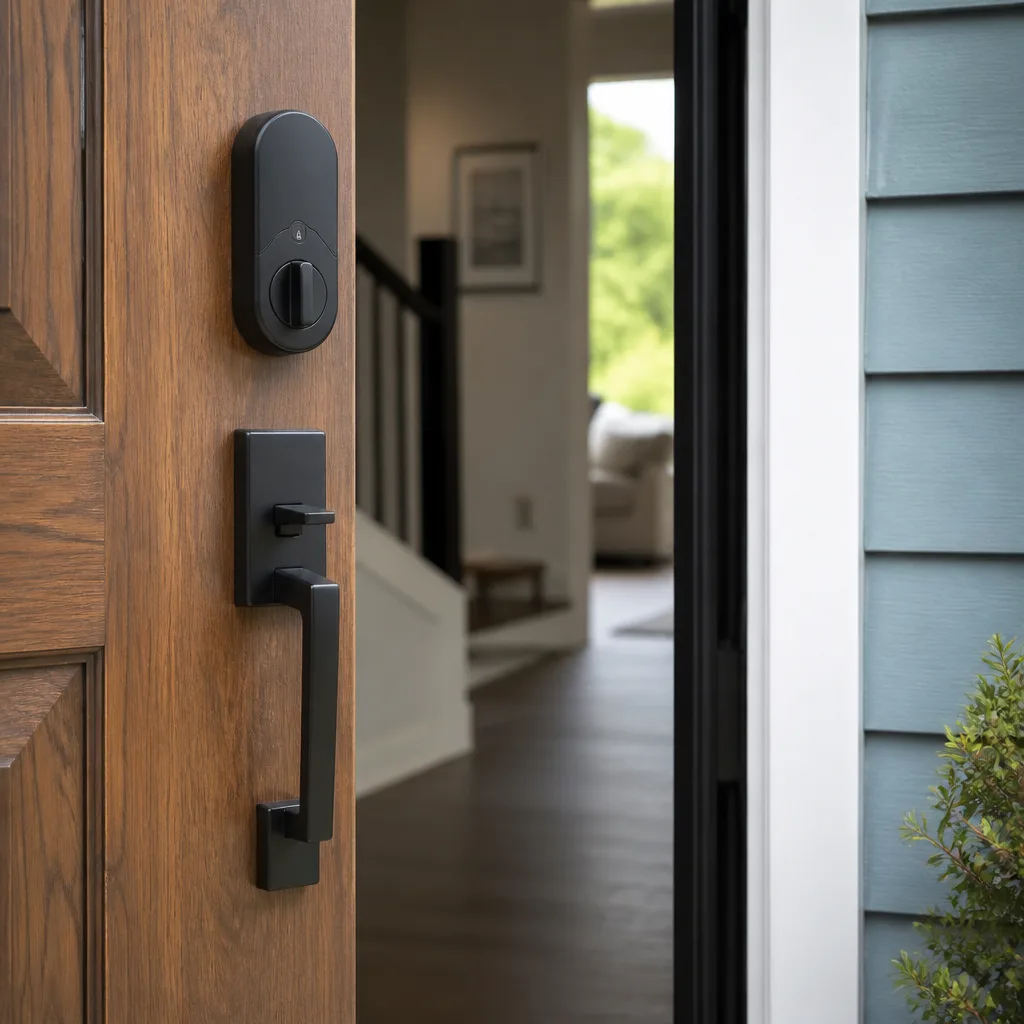 Smart locks
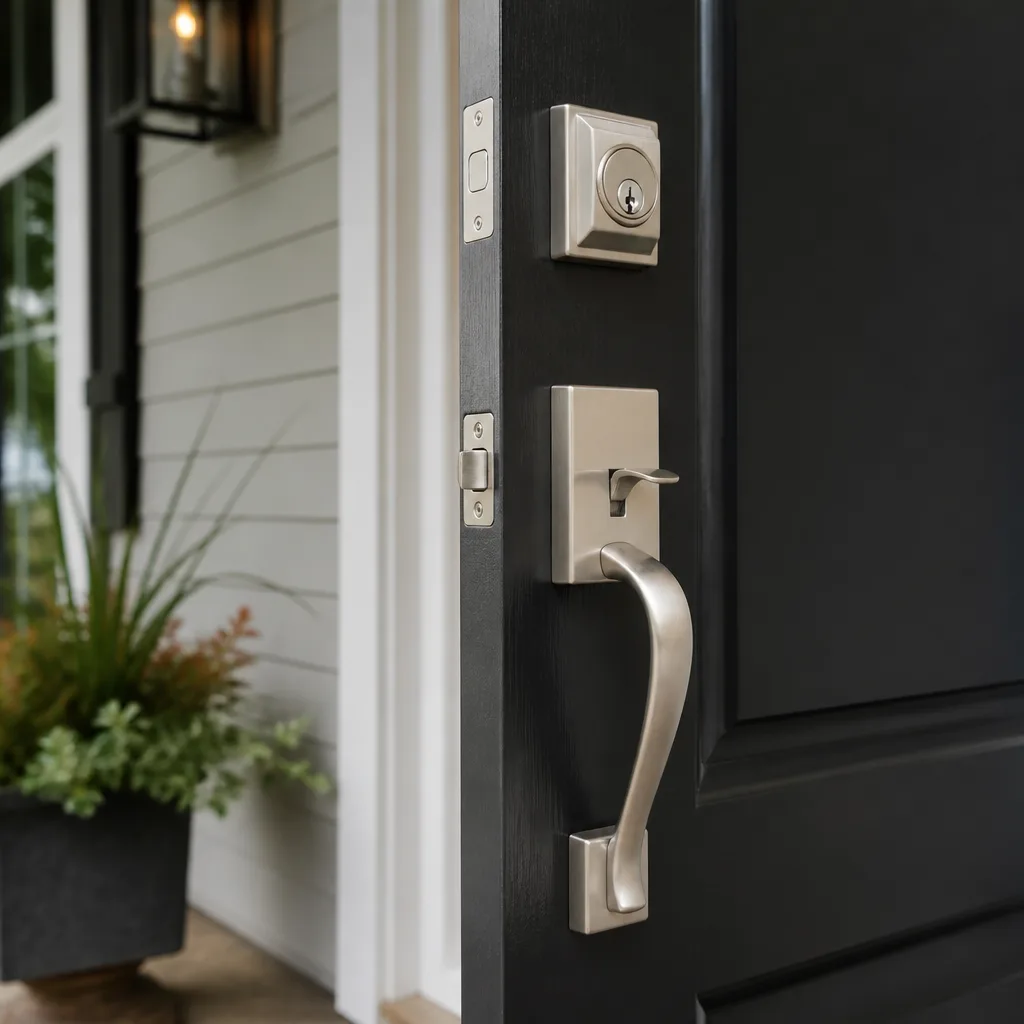 Schlage
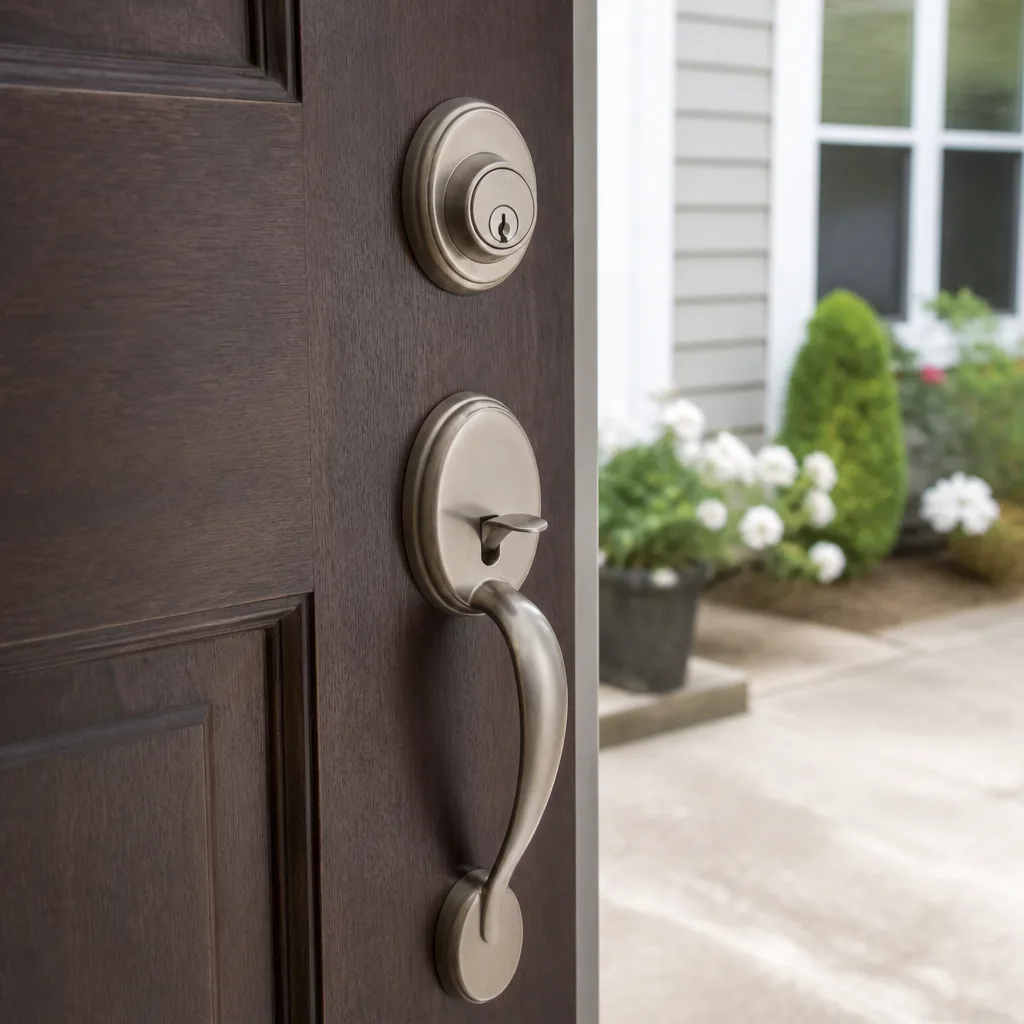 Kwikset
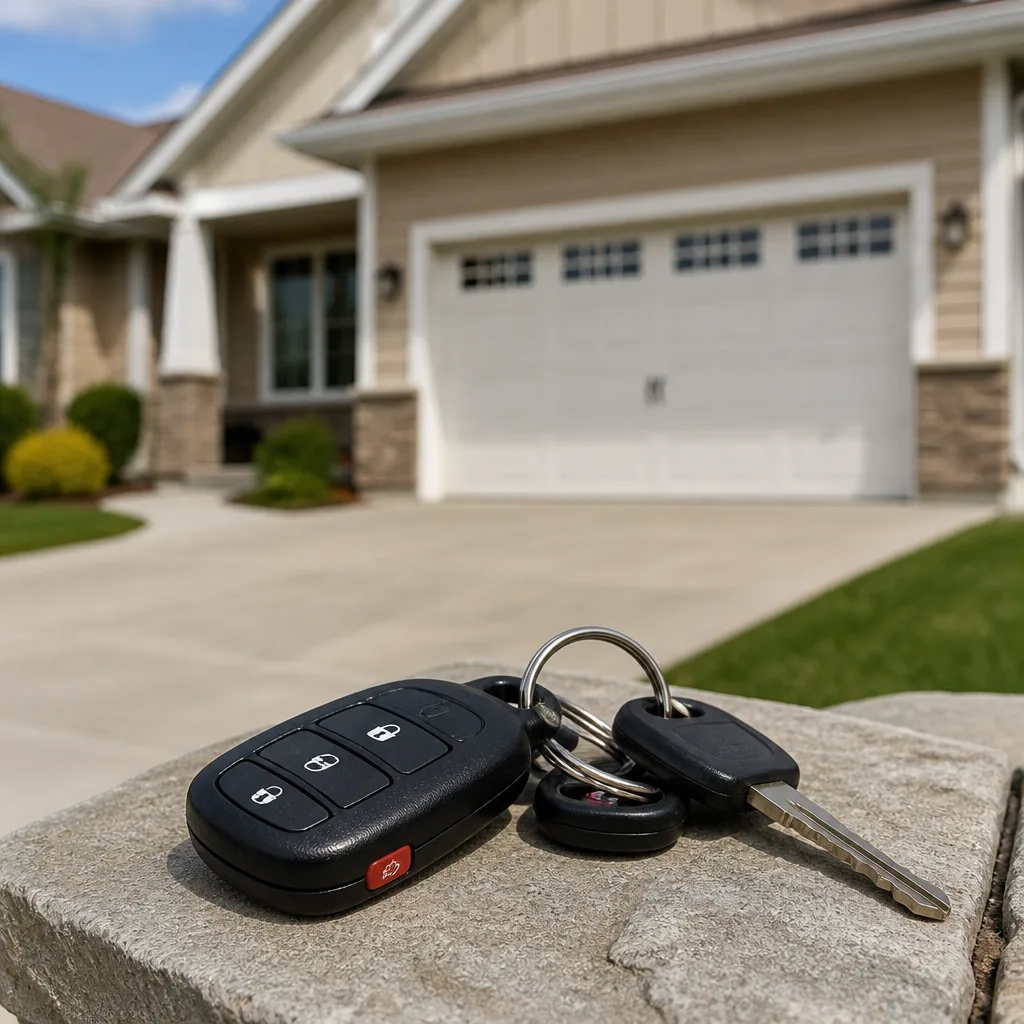 Car keys & fobs
Non-destructive entry first, always - and we re-key Schlage, Kwikset, and Baldwin locks on the spot while you watch
You get a price before we start. It does not change when we arrive. No surprises.
Get your free estimateCar Key Replacement Maintenance Checklist for Oakland Homeowners
Losing your only transponder key in Oakland can cost three times what a spare would have, yet most drivers have never checked whether their spare is still programmed to their current vehicle’s ECU. The hill streets, street parking culture, and damp Bay Area mornings all conspire against car keys in ways most homeowners don’t think about until the key is already broken or gone. This guide is a pre-emergency protocol. It gives Oakland drivers a concrete annual checklist that prevents most car key failures, documents the information you’ll need if a replacement becomes necessary, and explains exactly what a replacement should cost so you’re not negotiating from zero when you’re already stressed.
Quick Answer
Car Key Replacement in Oakland runs from about $85 for a basic mechanical key cut from an existing blade to $250 – $450 for a proximity key or push-start fob that requires on-site programming. The single highest-value step you can take is to verify once a year that your spare key starts the car, holds programming, and has a working battery. Document your key code and blade pattern now, and you’ll cut the cost of any future emergency replacement in half.
Styles & brands we work with
Table of Contents
- The Three Car Key Categories and Why the Price Gap Is So Wide
- The Annual Car Key Maintenance Checklist: 6 Steps
- Why Oakland Specifically Wears Keys Faster Than You’d Expect
- How to Document Your Key Codes Without Creating a Security Risk
- Locksmith vs. Dealership: When Each Is Actually the Right Call
- Key Fob Battery Maintenance: The Cheapest Insurance You’ll Ever Buy
- What a Car Key Replacement Actually Costs in Oakland: A Line-Item Breakdown
The Three Car Key Categories and Why the Price Gap Is So Wide
Every car key in Oakland falls into one of three categories. Knowing which one you have is the first step in understanding what a replacement will cost and whether you can get it from a locksmith instead of a dealership. The category is determined by your vehicle’s year, make, and trim level, not by where you bought the car.
Category 1: Mechanical Cut Keys (Pre-2000 and Base Models)
A mechanical key is just a metal blade with cuts on one or both edges. No chip, no battery, no programming. If your car was built before the mid-1990s, or if it’s a base-model work truck or fleet vehicle, this is probably what you have. Replacement is straightforward: a locksmith reads the existing key’s cuts or decodes the lock cylinder, cuts a new blade on a key machine, and you’re done. This is the $85 end of the Oakland market.
What surprises people: mechanical keys still exist on plenty of vehicles driven daily in Oakland. Ford Rangers, early Toyota Tacomas, Nissan Frontiers, and older Hondas parked along International Boulevard or in the flatlands all frequently use plain metal keys. If your key has no plastic head and no buttons, you’re in this category. Cutting one from an existing key takes minutes. Cutting one from scratch, with no original to copy, requires reading the lock cylinder, which takes longer.
Category 2: Transponder Keys (Mid-1990s to Mid-2010s)
Transponder keys have a tiny RFID chip sealed inside the plastic head. The chip responds to a signal from the ignition antenna. If the chip’s response doesn’t match the vehicle’s ECU, the engine turns over but won’t start. The key blade can be cut perfectly and still be useless without programming.
This is the most common key type on Oakland roads today. Toyota Corollas and Camrys from 1998 through about 2014, Honda Civics and Accords from the same era, Ford F-150s, Chevy Silverados, most Subarus, and nearly every minivan all use transponder keys. Replacement requires two things: cutting the blade, and programming the chip. The programming step is what separates a mobile locksmith who does automotive work from a hardware store that only copies metal keys. It’s also why the price floor jumps from $85 to roughly $120 – $180, even for a simple transponder key with no remote buttons.
Category 3: Proximity / Push-Start Keys and Smart Fobs (2015 and Newer)
Proximity keys don’t go into an ignition at all. The fob stays in your pocket or purse, the car detects it within a few feet, and you press a start button. The fob itself contains the transponder chip, the remote locking electronics, and in many cases a hidden emergency mechanical blade that slides out for use if the fob battery dies.
This is the most expensive category to replace, and the one where Oakland drivers most often feel sticker shock. A replacement proximity fob for a Toyota RAV4, Honda CR-V, Subaru Outback, or BMW 3-Series typically runs $250 – $450 in Oakland, with some European models pushing toward $500. The cost is driven by the fob hardware itself, which is more expensive than a plastic key head, and the programming, which requires connecting to the vehicle’s OBD port and following make-specific procedures. Some proximity systems also require all existing fobs to be present during programming, because the process erases all previously paired keys.
The owner’s manual will tell you which category your key falls into. But here’s the shortcut: if your key has buttons, it’s at least a transponder. If you press a button to start the car, it’s a proximity key, and you should treat the spare as a $400 asset.
The Annual Car Key Maintenance Checklist: 6 Steps
Run this checklist once a year, the same weekend you check your smoke detector batteries or change your furnace filter, and explore more guides & resources for keeping your vehicle secure. It takes under half an hour, costs nothing, and prevents the single most expensive car key scenario: losing your only working key and having to replace it from scratch. In Oakland, where the median household juggles two cars and at least one of them is street-parked, this is not a hypothetical concern. It’s a recurring pattern we see year-round.
- Verify your spare key starts the car. Not just the door locks. Insert the spare into the ignition (or hold it next to the start button) and confirm the engine actually starts. A blade that turns the door lock but isn’t programmed to the ECU is a blank that will leave you stranded. This is the most common failed check we see.
- Check the spare key’s integrity. Is the blade bent? Is the plastic head cracked? Is the key ring hole elongated or torn? A blade that’s 15 degrees off from years of use in a stiff ignition will eventually snap. If the spare looks worn, replace it now while you have the original to copy.
- Test every fob button. Lock, unlock, panic, trunk release. If one button is intermittent, the fob’s internal contacts are failing. Fixing it now, before it dies completely, is cheaper than starting fresh.
- Replace fob batteries on a schedule. If you haven’t changed the fob battery in 18 months, change it now. Use a brand-name CR2032 or CR2450 (check your manual). Write the install date on a small label and stick it inside the fob if you have room, or note it in your phone.
- Check transponder programming after any dealer service. If you’ve had ECU work, a recall update, an ignition replacement, or any major repair at a dealer or independent shop in the last year, re-verify that both keys still start the car. Some reprogramming procedures wipe all existing key registrations.
- Inspect the physical blade for wear. Run your thumbnail along the key’s cuts. Deeply worn cuts are smooth and rounded. A good key has crisp, well-defined cut edges. Smooth cuts mean the key is chewing the inside of your lock cylinder, and both will eventually fail together.
Why Oakland Specifically Wears Keys Faster Than You’d Expect
Oakland’s car key wear patterns aren’t the same as in suburban Pleasanton or Walnut Creek. Three local factors accelerate damage and should push Oakland drivers toward more frequent inspection than a national average would suggest.
First, street parking. A substantial share of Oakland homes in neighborhoods like Temescal, Fruitvale, West Oakland, and along the San Antonio corridor rely on street parking. Keys carried in and out of cars multiple times daily, in the rain, in the damp, in the coastal fog that rolls through the Oakland hills, are exposed to moisture far more than keys that live in a garage-stored car. Moisture corrodes fob contacts from the inside. The button you have to press twice to get one response is the early warning.
Second, Oakland’s older housing stock means thicker, heavier keys on the same ring. An Oakland Craftsman built in 1922 often has original mortise locks accepting heavy bronze keys. A Victorian in Adams Point might have three locks on the front door alone. All that weight hanging on the same ring as your car key puts torque on the key ring hole. The brass or nickel-silver car key blade takes the strain, and over years, it bends and fatigues.
Third, the Bay Area’s moisture-rich air shortens fob battery life relative to drier climates. Automotive locksmiths who work in Oakland and Berkeley see shorter real-world battery life from fob batteries than what the manufacturer’s spec sheet suggests, simply because cold and damp conditions drain lithium coin cells faster. If the manual says two years, Oakland reality is closer to 14 – 18 months.
How to Document Your Key Codes Without Creating a Security Risk
Every vehicle leaves the factory with a mechanical key code and, for newer cars, a transponder code that identifies the exact chip handshake the ECU expects. If you have these codes documented safely, a locksmith can cut a new key from code, without a working original, faster and cheaper than if they have to derive the cuts from your door or ignition lock. But storing the codes in your glove box defeats the purpose. Anyone who breaks into your car gets both your address and the numbers that cut a key to it.
The right way to document your codes:
- Find your mechanical key code. It’s often stamped on a small metal tag that came with the original keys, or in the owner’s manual packet, printed as a 4- to 8-character alphanumeric code. Some vehicles also stamp the code on the lock cylinder itself, visible during a rekey or cylinder inspection.
- Record the VIN. The VIN is not a key code, but it’s essential: a locksmith uses the VIN with vehicle security databases to confirm the vehicle, pull the correct key blank, and determine programming protocol. Write the VIN down or store a photo in your phone.
- Store both in a password manager or a home safe. A photo of the key code tag stored in a secure cloud folder, or a plain index card in a fire safe, both work. Do not keep the code in the vehicle or in a wallet you carry daily. If your wallet and your car key are stolen together from an Oakland bar on Telegraph Avenue, the thief gets everything.
- Photograph your key and fob. A clear, well-lit photo of the key, showing the blade profile and the fob face, helps a locksmith identify the blank and the remote type instantly. Include a ruler in the photo for scale.
- Note the FCC ID on the fob or key head. Most remote key fobs have an FCC ID printed in tiny type on the back or inside the battery compartment. That ID identifies the exact radio frequency and protocol. Photograph it and store it with the other data.
With these four pieces of information, a mobile locksmith doing car key replacement in Oakland can quote you a precise price over the phone and arrive prepared with the right blank and programmer. Without them, you’re paying for diagnostic time and, in the worst case, a tow to a dealer’s parts counter.
Locksmith vs. Dealership: When Each Is Actually the Right Call
The dealership is the right call in exactly one common scenario: when your vehicle uses a rotating-code or anti-theft system that requires dealer-level software access to pair new keys. Some high-end European models, notably certain Mercedes-Benz, BMW, Audi, and Range Rover lines, restrict key programming to factory-authenticated diagnostic tools that independent locksmiths don’t have access to. If the dealer tells you that’s the case, get a second opinion from a mobile locksmith who does automotive work, but be prepared that the answer might be the same.
For the overwhelming majority of Oakland vehicles on the road today, oakland locksmiths with automotive programming equipment can replace, cut, and program transponder and proximity keys on-site, at a lower price than the dealer’s parts counter, and without the tow. Read our Choosing the Right Locksmith Brand: A Buyer’s Guide for Oakland before you call. The dealer’s actual advantage is that they have your VIN on file and can order a new key from the manufacturer by VIN. A competent mobile locksmith does the same thing with a tablet and a database subscription. The difference is the dealer charges shop time and the locksmith doesn’t.
Where a locksmith is unambiguously the better call:
- Lost the last key and the car is parked in Oakland. A dealer can’t program a new key in your driveway. You’ll need a tow to the dealership, which on a weekday from the Oakland hills starts around $150 and climbs from there. A mobile locksmith comes to the car.
- The key snapped in the ignition or door lock. A locksmith extracts the broken half and can typically cut a new key from the extracted piece or from code the same visit.
- The key works but the remote buttons don’t. Often this is a $5 battery or a simple fob re-sync, not a key replacement at all.
- You need a spare but don’t want to pay OEM list price. Aftermarket transponder and proximity keys from quality suppliers frequently cut 30 – 50% off the dealer’s key price, and a locksmith can program them for a flat labor charge.
Oakland drivers should also know that emergency locksmith services in Oakland increasingly overlap with dealership territory, simply because mobile programming equipment has become accessible to independent shops. What was dealer-only in 2015 is now ordinary mobile locksmith work in 2026.
Key Fob Battery Maintenance: The Cheapest Insurance You’ll Ever Buy
A dead fob battery is not the same as a dead fob. The battery powers the remote’s radio, not the transponder chip, which uses passive RFID that drains no battery. This matters because it means two things: first, a fob with a dead battery will still often start the car when held directly against the start button or key slot, because the car reads the chip through a near-field coil. Second, replacing a fob battery costs about $6 and takes five minutes. It’s the single most cost-effective piece of car key maintenance there is.
Signs your fob battery is dying, in order of appearance:
- You have to click the button twice to unlock the car, and the first click often does nothing.
- The car only detects the key when the fob is within a foot of the start button or steering column.
- The remote’s range shrinks: what used to work from across the street now requires you to be standing next to the door.
- The dashboard intermittently warns “key not detected” even when the fob is in your hand.
The battery itself is almost always a CR2032, CR2025, or CR2450 lithium coin cell. Your owner’s manual lists the exact type. We recommend keeping a spare taped inside a kitchen drawer and refreshing it whenever you replace the one in the fob. The failure mode is never gradual enough to plan around comfortably: fobs tend to work fine on Tuesday morning and be dead on Tuesday night. For Oakland drivers parking on dark residential streets near Lake Merritt or in the Grand Lake district, a dead remote at night is exactly when you don’t want to be standing next to your car fumbling with a key.
One related note: if you replace the fob battery and the remote still doesn’t work, don’t keep replacing batteries. See our Car Key Replacement Troubleshooting: Common Problems and How to Fix Them for deeper diagnostics. The issue is either a failed internal contact or a lost sync between the fob and the vehicle. Bring it to a locksmith who does key work in Oakland, and bring the key with you. Diagnosis takes minutes when the key is in hand.
What a Car Key Replacement Actually Costs in Oakland: A Line-Item Breakdown
Oakland’s car key replacement prices are not secret, but they are volatile. The same job can be quoted at $85 or $450 by two different vendors, depending on key type, vehicle system, and whether the quoted price includes the programming step as a separate line item. Here is the honest structure of what you’re paying for on a typical transponder key replacement, based on what we see across the East Bay market.
| Line Item | Typical Range in Oakland | Notes |
|---|---|---|
| Mechanical key cut from existing blade | $85 – $120 | No chip, no programming needed |
| Transponder key, cut and programmed | $120 – $180 | Basic chip key, no remote buttons |
| Transponder + remote (all-in-one key head) | $150 – $250 | Common on mid-2000s Toyotas, Fords, GMs |
| Proximity fob, cut and programmed | $250 – $450 | Push-start systems, 2015 and newer |
| Proximity fob for European luxury brands | $400 – $500+ | May require dealer-level programming |
| Emergency lock-out or broken key extraction | $75 – $150 service call | Usually 30 – 60 min, Oakland-wide |
These are Oakland market ranges. The biggest driver of variance is whether the locksmith owns the programming equipment for your make or is subbing the programming out. When you call, ask directly: “Do you program keys on-site, or do I need to take the car somewhere?” The answer tells you whether the quote is real or a pass-through.
If you’re comparing quotes, ask each vendor to list the same three components: key blank cost, cutting cost, and programming cost. The vendor who can’t break out the programming line item is often the one who’ll add it back as a “discovery” once they’re already on-site. And the price you’re quoted on the phone, before anyone is dispatched, should be the full price you pay. No arrival fees, no “the chip was harder than expected” add-ons. We quote a firm all-in number and we hold to it, every time.
Common Mistakes to Avoid
- Never testing the spare until you need it. A spare that’s been sitting in a kitchen drawer for five years, never started once, is an unknown. Program it, test it, then forget about it. Testing is the only difference between a spare and a paperweight.
- Storing the key code in the car. The code cuts a key. The car holds the owner’s manual with the code tag tucked inside. The same break-in that takes your radio now takes your house key if the address is in the glove box too.
- Assuming all locked out of a car requires a locksmith. Many Oakland drivers call for a car lockout when they actually have a dead fob battery. Holding the fob against the start button often starts the car even with a dead remote. Try that before you call.
- Copying a key at a hardware store that doesn’t program chips. That $3 copy will unlock the door and nothing else. It won’t start the car, and if you try to force it, you can shear the ignition cylinder. Then you’re paying for a new ignition too.
- Replacing a transponder key with a plain mechanical blank to save money. On a car with an immobilizer, a plain blade won’t start the engine, period. You haven’t saved money, you’ve created a door key.
- Waiting to replace a worn key until it snaps. A blade that’s visibly bent or heavily worn is a failure in progress. Replacing it costs under $150. Replacing it after it snaps off in the door lock of a car parked on an Oakland side street at 9 p.m. costs more, takes longer, and may require cylinder extraction.
- Assuming the dealer is always the only option. Most Oakland drivers can get a fully functional transponder or proximity key from a mobile locksmith, often same day, usually for 30 – 40% less than the dealer’s parts-and-programming quote. The one time that’s not true is when the vehicle’s system is dealer-restricted. Ask the question before you pay for a tow.
When to Call a Professional
Call a professional automotive locksmith the day your only key starts showing any of these signs: you have to jiggle the key to get the ignition to turn, the remote works only at close range, the key is bent, or the spare has never actually been tested by starting the car. These are not wait-and-see situations. They are early warnings that cost under $200 to resolve now and $350 – $500 to resolve once the key fails completely.
If you’re in Oakland and you’ve lost the last key, or the only key just snapped, call Cypress Lock & Key at (877) 265-4385 for a free estimate. We handle car key replacement across Oakland, from mechanical keys to proximity fobs, and we’ll tell you over the phone what the job will cost before anyone leaves the shop.
Frequently Asked Questions
Car key replacement in Oakland typically runs $85 – $120 for a mechanical key cut from an existing blade, $120 – $180 for a transponder key, and $250 – $450 for a proximity fob. The price is driven by your vehicle’s key type, not by the locksmith’s mood. Call (877) 265-4385 for an exact quote on your vehicle; estimates are free and the number we give you is the number on the invoice.
It should be. Before you agree to any car key replacement in Oakland, confirm that the quote includes the key blank, cutting, programming, and dispatch. A legitimate mobile locksmith will give you one firm number and hold to it. If a vendor says the quote is “from” a low number, expect the final invoice to be higher. We quote firm, all-in prices.
Yes, for most vehicles. Mobile locksmiths in Oakland with automotive programming equipment can cut and program proximity fobs for the majority of Toyotas, Hondas, Subarus, Fords, GMs, Nissans, Hyundais, and Kias on the road today. Some European models with dealer-restricted systems remain dealer-only. We’ll tell you upfront if your car falls into that category.
Most car key replacements in Oakland are completed same-day, often within a couple hours of your call. A mobile locksmith comes to the car, cuts the key, programs the chip or fob, and verifies the engine starts before leaving. There’s no tow and no multi-day wait at a dealer’s parts counter.
Almost never. A mobile locksmith brings the key cutting and programming equipment to the vehicle. The only time a tow to the dealer makes sense is if your vehicle uses a dealer-restricted security system that independent shops cannot program. Ask directly before assuming the dealer is your only option.
Technically, a clean photo can be decoded, but we don’t recommend DIY key cutting as a security practice. The smarter step is to call a licensed automotive locksmith who can cut from your existing key, your documented key code, or the vehicle’s lock cylinder. Oakland locksmiths see damaged home-cut keys regularly; the money saved rarely covers the follow-up repair.
The Bottom Line
Car key replacement in Oakland is a service you shouldn’t need to think about twice a year. But the math is unforgiving: a lost proximity fob costs $300 – $450 to replace, while a properly maintained spare and a documented key code reduce that to a fraction of the cost, often under $150. Run the six-step annual checklist. Store your key codes somewhere a thief can’t reach them. Replace fob batteries every 18 months. And if you do end up with a snapped blade or a lost key, call a locksmith at (877) 265-4385 before you call a tow truck. You’ll pay less, wait less, and get a key that starts the car. That’s the entire point.
Written by the team at Cypress Lock & Key, serving Oakland since 2017. For car key replacement, emergency lockout service, or a lock rekey after any key loss, we work on the lock and key you already have, across eight brands from Kwikset and Schlage to Medeco, Mul-T-Lock, and Abloy.